 Jordan Pascale
Metro says it will spend up to $40 million to redesign its new faregates, making it harder to jump over them and evade paying the fare.
The transit agency released new data Monday saying 13% of Metrorail riders did not tap in and pay for their rides, amounting to 40,000 fare evasions each weekday during the first two-and-a-half months of 2023.
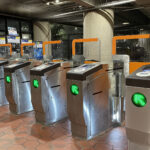
New faregates, which were installed across all 97 stations last year, now have sensors that can detect when someone jumps them. That’s the beep you may often hear in stations. Metro spent $70 million on the faregate replacement, which also added new features like larger and brighter displays, bi-directional access, and improved safety features. The old ones, installed in 1990, had reached the end of their useful life.
Metro board members at the time didn’t want to make the faregates too cage-like, similar to NYC, so it didn’t hurt the atmosphere of Metro stations. But new General Manager Randy Clarke has put a renewed emphasis on stopping fare evasion as the transit agency faces a fiscal cliff next year. The transit agency will likely have to ask local jurisdictions for more tax money to keep current levels of service going, but some public officials have called for WMATA to get its house in order before asking for more money.
But now WMATA is hoping to do something about riders breaking the law.
“Fare evasion creates a sense of disorder and elevates concerns with safety and security in the system among customers and employees,” Metro officials wrote in documents to the board, noting recent surveys. “As part of its mitigation efforts, Metro is testing retrofits for faregates to deter fare evasion and make it more difficult to enter the system without tapping.”
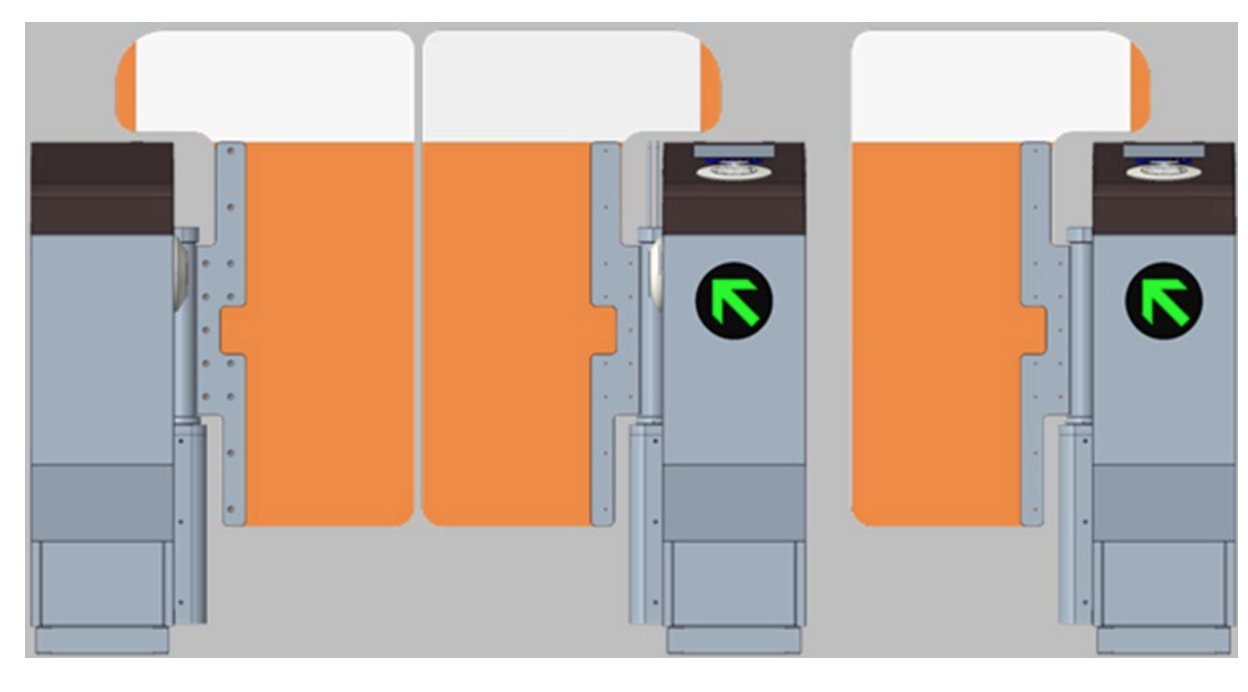
It will retrofit all 1,200 new gates with swinging four-foot-tall laminated safety glass, saloon-style doors instead of the low-slung yellow paddles. The ADA gates will have two gates that swing open. The narrower faregates will have just one gate.
The design is indeed harder to jump over, as it now comes up to most people’s chest height. We did witness one very athletic person vault over them at Fort Totten, where the design has been piloted in recent months. The piloted version of the gates is also pretty hard to push through, and Metro says the final version will have even stronger rigidity and stronger hinges.
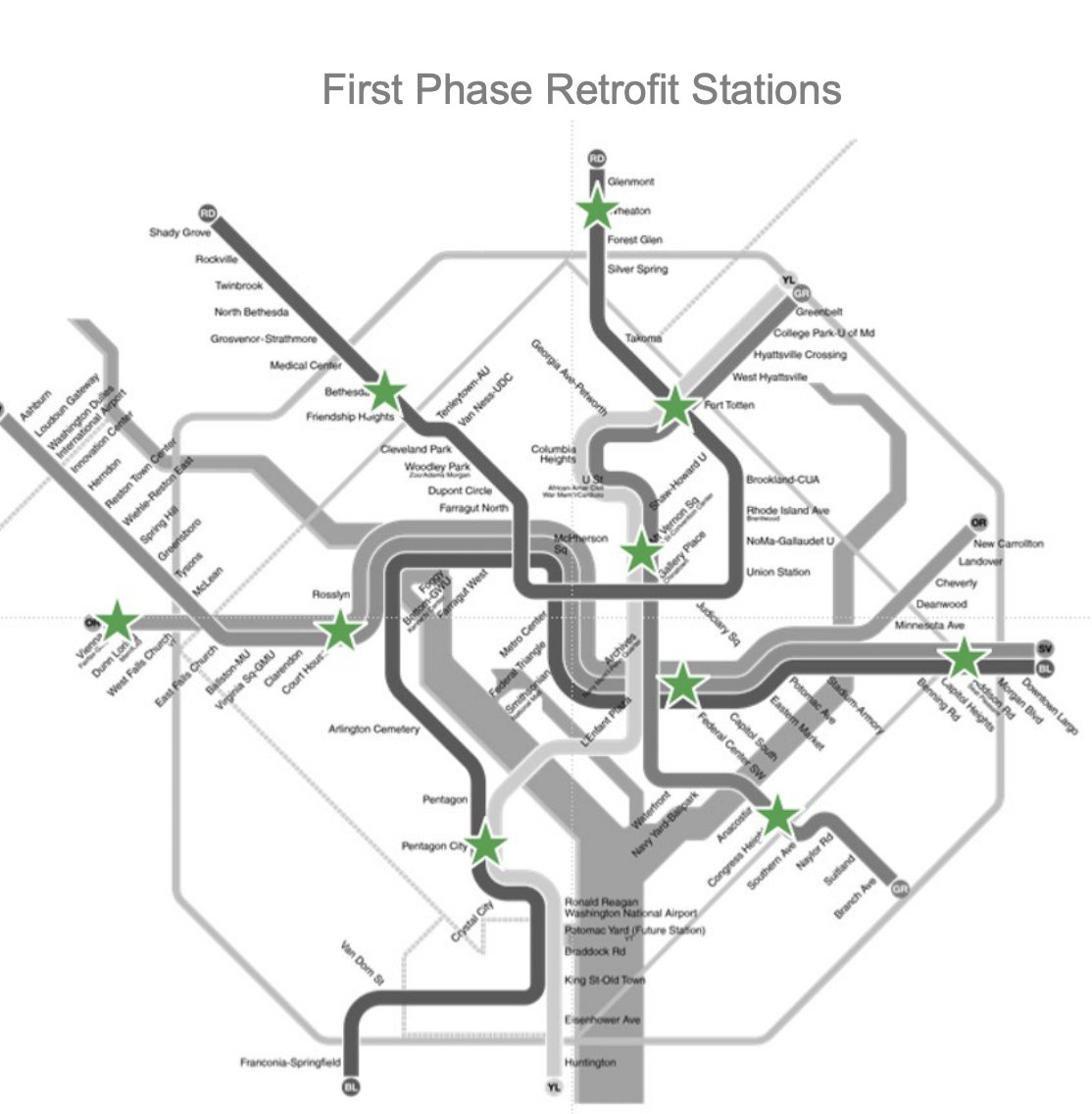
The new design has been tested at Fort Totten for months, along with another model that didn’t work as well. All gates will be retrofitted there by the end of the month. Then nine other stations — Wheaton, Bethesda, Vienna, Courthouse, Mt. Vernon Square, Pentagon City, Federal Center SW, Congress Heights, and Addison Road — will get them before they roll out to all stations by June 2024.
Back in 2019, Metro said fare evaders at rail stations were costing them $10 million a year. The transit agency has also been struggling to regain ridership post-pandemic, further hurting the bottom line.
Metro says it will also continue efforts to reduce fare evasion through communication, education, issuing citations, and starting a half-off fare program for low-income individuals. Metro is also working with schools to make sure students have their Kids Ride Free cards.
Some people on social media applauded the move, while others said the retrofit was a waste of money. Meanwhile, others say Metro should just be free for all riders. The D.C. Council has voted to pay for fare-free bus service in D.C., but it is likely a huge lift to get all three jurisdictions to agree to cover the loss of nearly $500 million in annual fare revenue.