Colleen Grablick
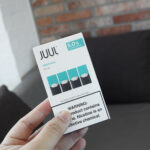
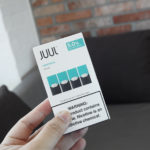
JUUL Labs, the e-cigarette giant, will pay D.C. $15.2 million in a lawsuit settlement over the company’s marketing tactics.
Former D.C. Attorney General Karl Racine sued the e-cigarette manufacturer in 2019, accusing JUUL of marketing to kids, misrepresenting how much nicotine their products contained, and lying about their efforts to fight youth smoking in the city. The settlement announced Wednesday by Attorney General Brian Schwalb’s office is the largest settlement the office has ever secured under the Consumer Protection Procedures Act. It comes as a part of a broader lawsuit brought by Schwalb and the attorneys general of New York, California, Massachusetts, Illinois, New Mexico, and Colorado; in total, JUUL is on the hook for $462 million to the six states and D.C.
According to a statement from Schwalb, the $15.2 million will be used “directly to mitigate the public health damages JUUL’s products caused.” It’s not clear exactly what this will look like, but according to Schwalb’s office, the money could fund cessation assistance programs for D.C youth, research into the impacts of vaping in children, or educational resources, among other initiatives.
The lawsuit also places restrictions on JUUL’s advertising practices, like banning the company from advertising on any social media platforms used by young people, on billboards, and transportation. JUUL will be required to create a depository of publicly available documents — paid for by JUUL — allowing further research into the company and its products. In order to make sure the company adheres to the terms of the settlement, they’re required to maintain a Compliance Officer, who will be the main point of contact with Schwalb’s office.
“When companies like JUUL prey on and manipulate the District’s residents — and in particular our children — all in furtherance of profit, my office will use every legal tool available to hold them accountable,” Schwalb said during a virtual press conference with fellow attorneys general on Wednesday afternoon.
Wednesday’s settlement marks the latest in a long list of litigation against the company, who has been under fire by attorneys general across the U.S. for years over its role in what lawmakers have dubbed the “teen vaping epidemic.” In 2022, Maryland and Virginia joined 34 other states in settling a two-year investigation into the company. JUUL, as a part of a $438.5 million payment over ten years, is set to give Maryland more than $13 million, while Virginia would receive $16.1 million. Similar to D.C.’s suit, that settlement also restricted the company’s marketing methods, although over the years JUUL has largely scaled back its targeted advertising after coming under scrutiny. A number of other states, including Arizona, North Carolina, and Louisiana, have already settled separate suits with the company.
While JUUL once dominated the e-cigarette industry, its ubiquity has waned in recent years as disposable vape products rose in popularity. According to the Food and Drug Administration, one in 10 middle and high school students in the U.S. had used an e-cigarette in the past 30 days, with Puff Bar, Vuse, Hyde, and SMOK being the four most popular brands.
Beyond litigation, the city’s lawmakers have also taken steps to restrict the availability of JUUL and e-cigarettes in the city. A D.C. Council bill went effect last fall, banning the sale of flavored tobacco, menthol cigarettes, and e-cigarettes within a quarter mile of middle and high schools. Other measures to restrict the products — like one bill from Ward 7 councilmember Vincent Gray that would have banned the sale of vaping products at any place that wasn’t a medical marijuana dispensary or a pharmacy — were introduced, but never made it to fruition.