Héctor Alejandro Arzate
 Tyrone Turner
Thursday night marked the end of Ramadan for Muslims all over the world and the start of Eid Al-Fitr, which is meant to be a time to celebrate after a month of fasting and prayers.
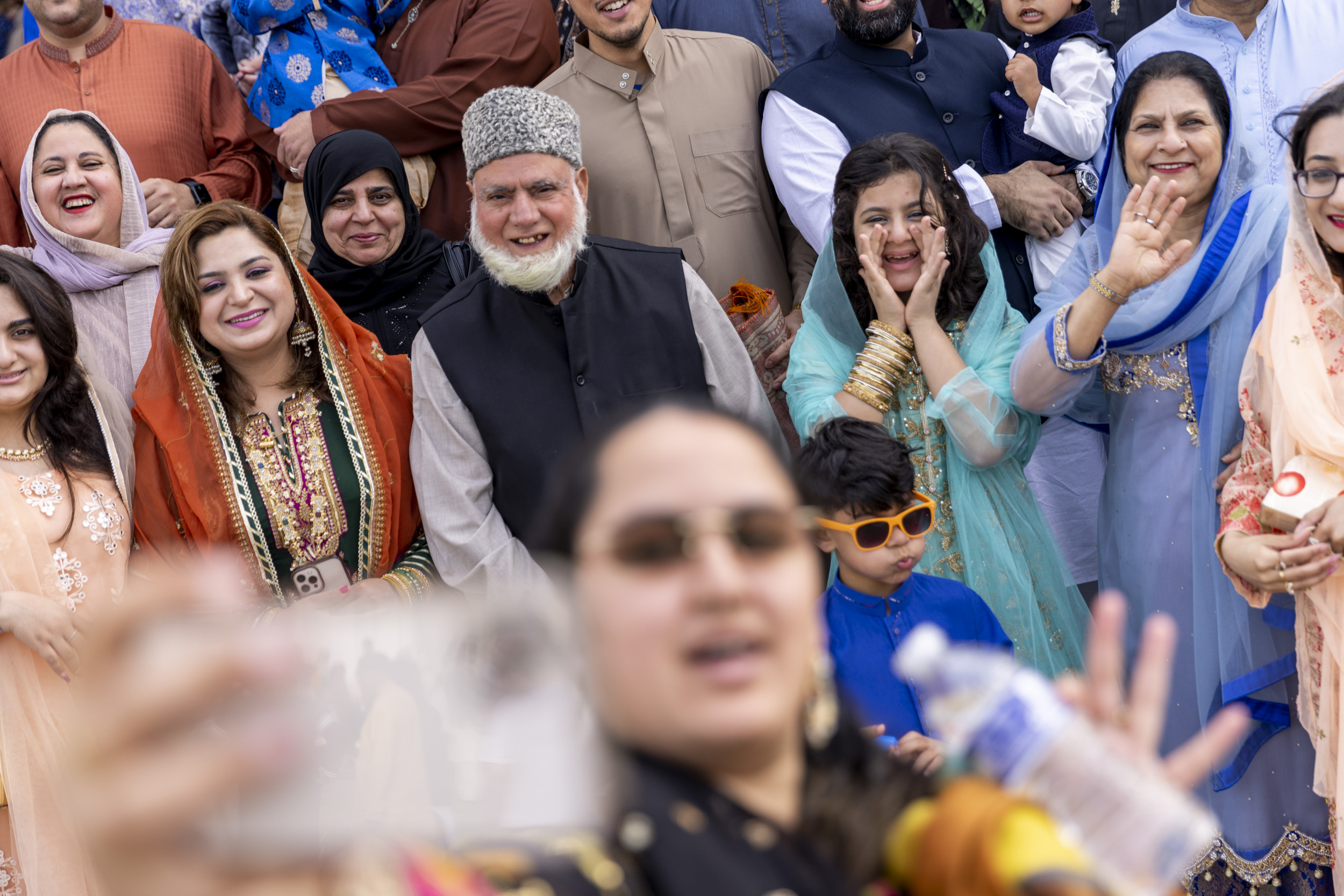
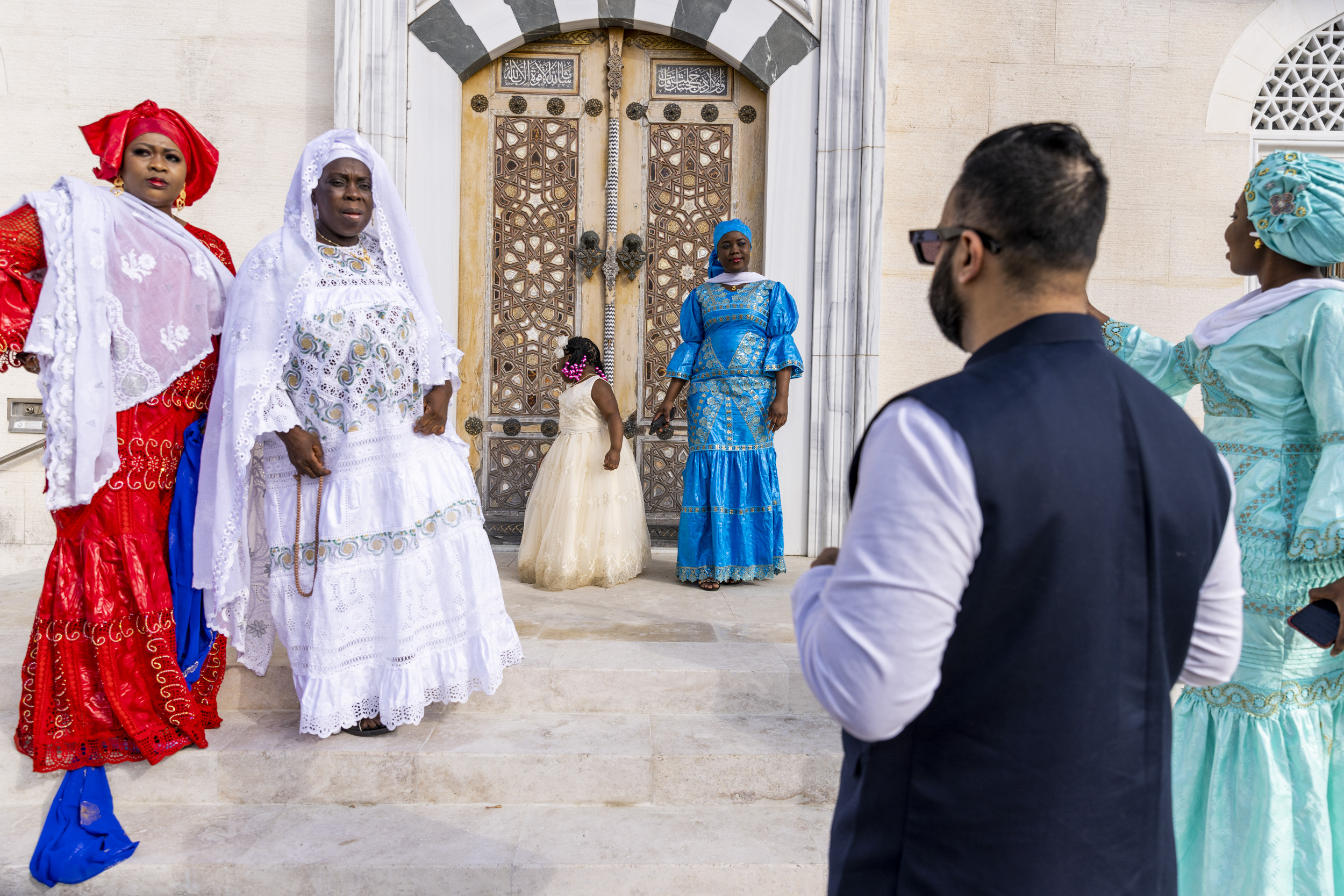
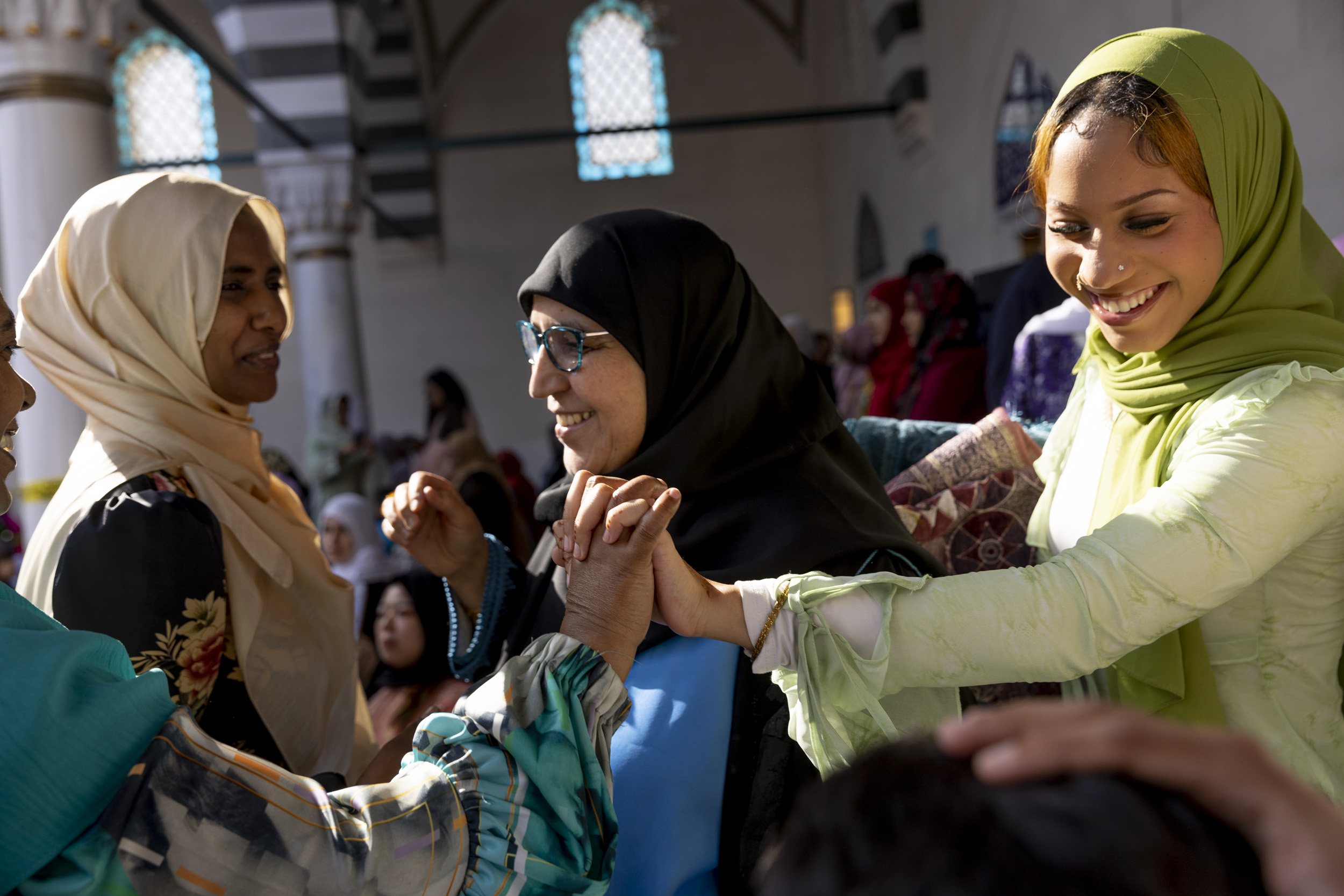
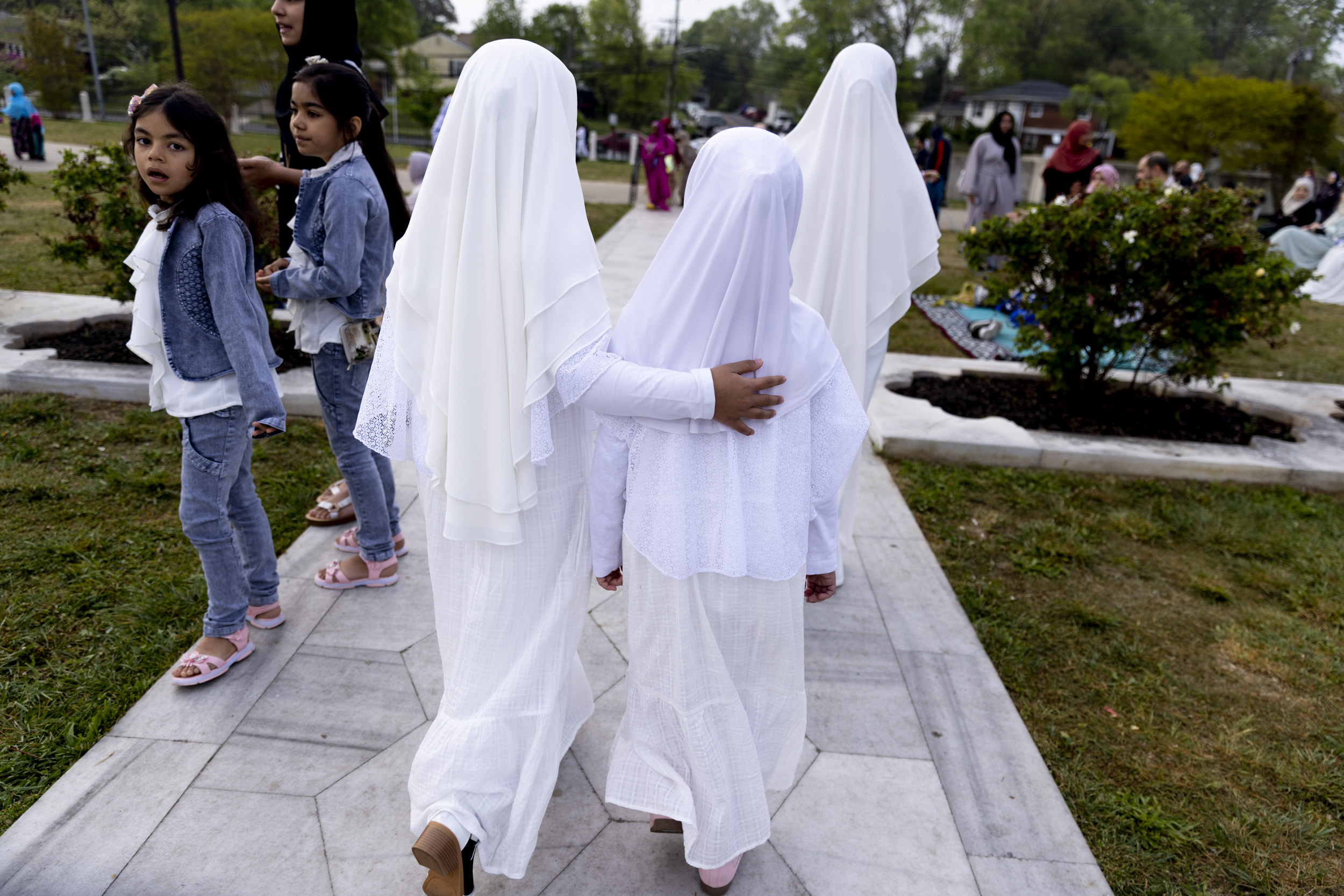
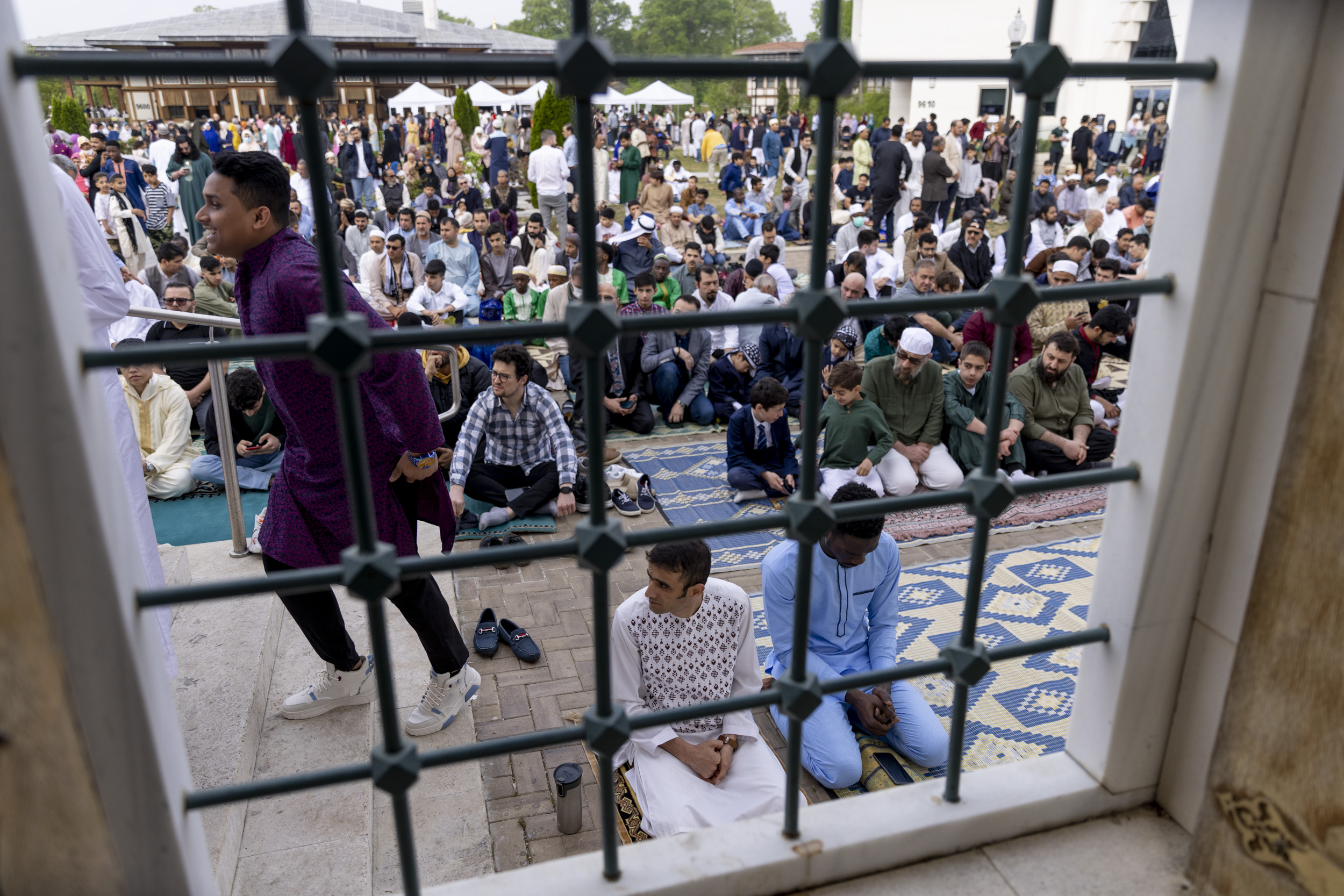
In the D.C. region, thousands of people gathered early Friday morning for the Eid prayer at the Diyanet Center of America in Prince George’s County, Md. – including Yusufa Maorijah, who was so excited to spend time with his loved ones that he woke up before five in the morning to get ready for the day.
“You know, Eid is one of the best days,” says Maorijah, who lives in Lanham. “So it’s really, like, exciting. You have to be happy. You give some gifts to friends, you visit friends. Yes. So that’s why I say, ‘Today’s my exciting day.’”
Maorijah left his home country of Cameroon about seven years ago. Since then, he’s been coming to the Diyanet Center to practice his faith. What he loves most about this time of year is spending time with the “ummah”, or his community of other Muslims from all walks of life.
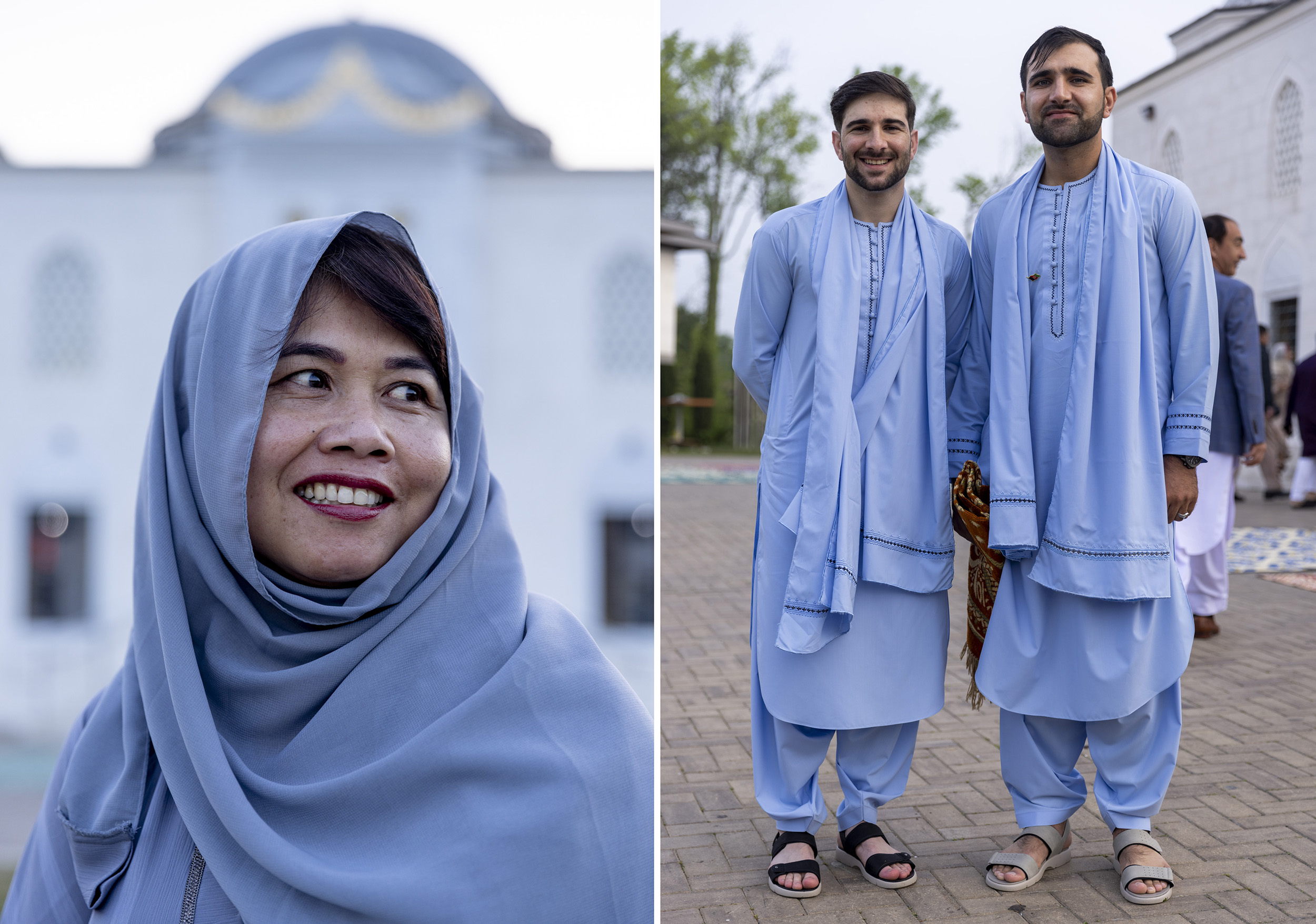
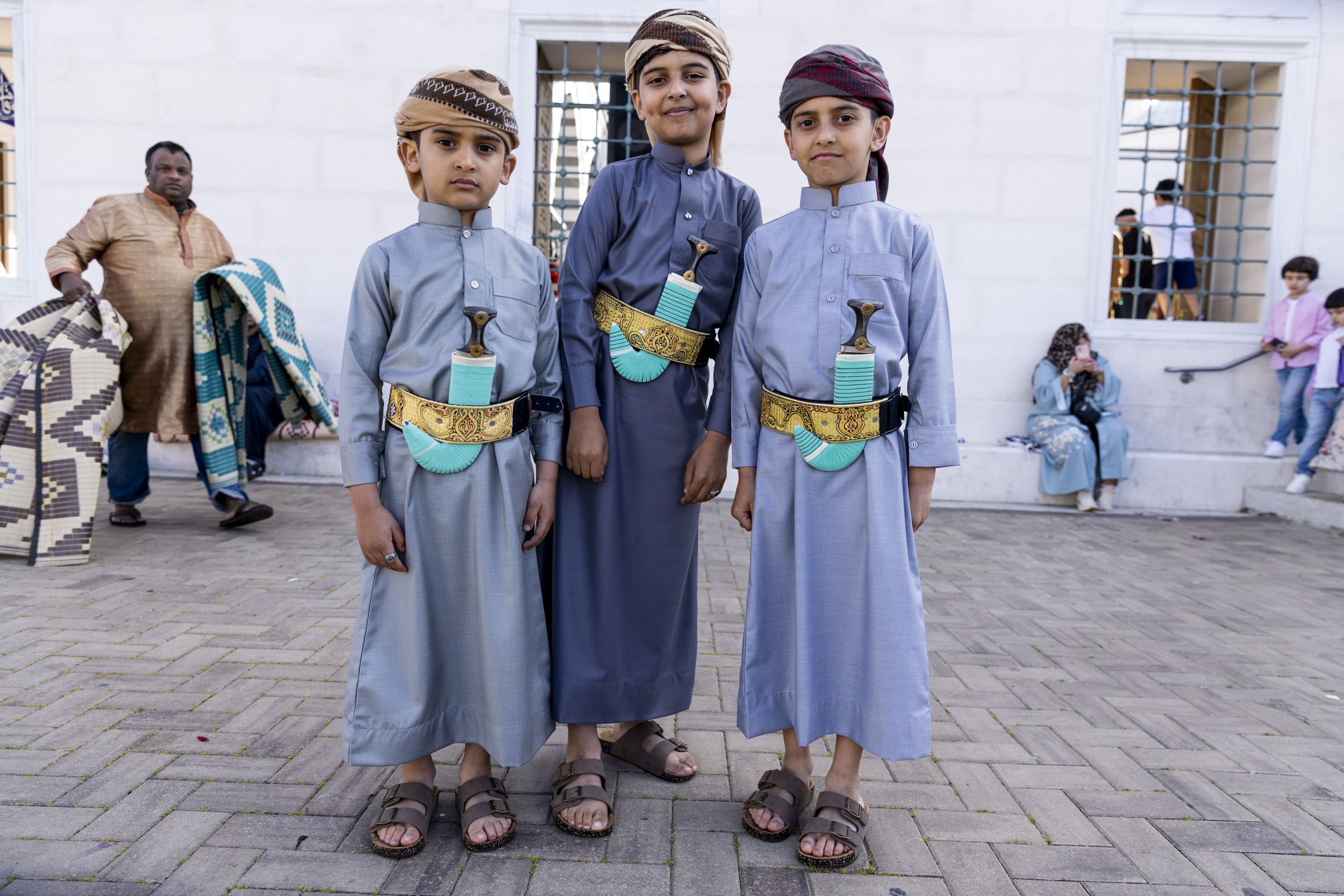
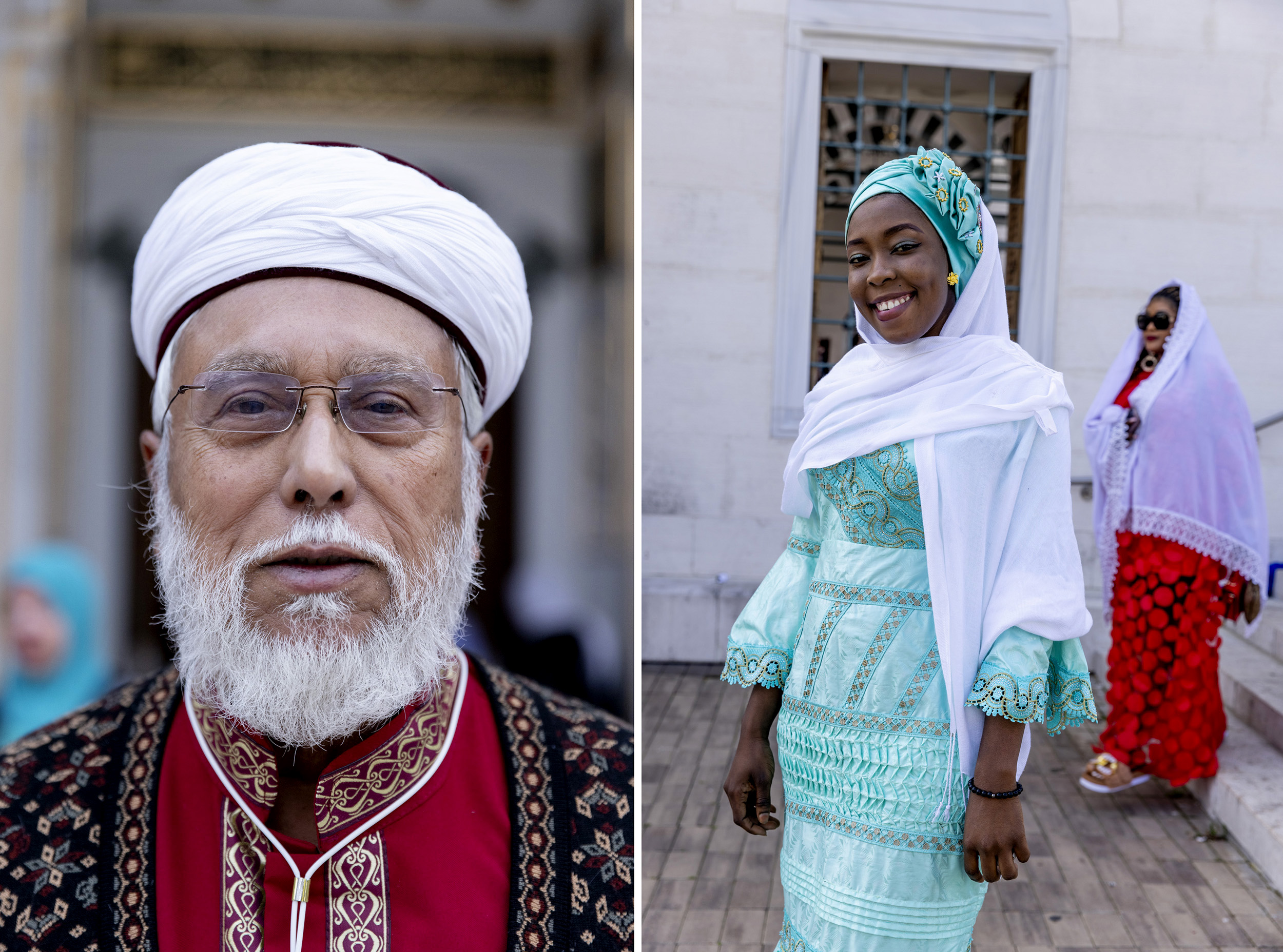
“There are so many people from Afghanistan, from Pakistan, from Turkey, from Syria,” says Maorijah. “So many like languages, food… I make new friends. I have learned languages, even Arabic. Now I can read. So alhamdulillah, it’s good.”
At roughly 17 acres, the Diyanet Center is one of the largest Islamic campuses in the United States. It officially opened to the community in 2016. This year, it hosted more than 4,000 people to commemorate Eid Al-Fitr. That’s a crowd that’s larger than even before the pandemic, says Ahmet Salih Bayraktar.
“Everyone is so happy,” says Bayraktar, who’s from Turkey and serves as one of the leaders for the ummah. “That is the meaning of the days… Spread the joy. Spread the goodness. Spread the happiness.”
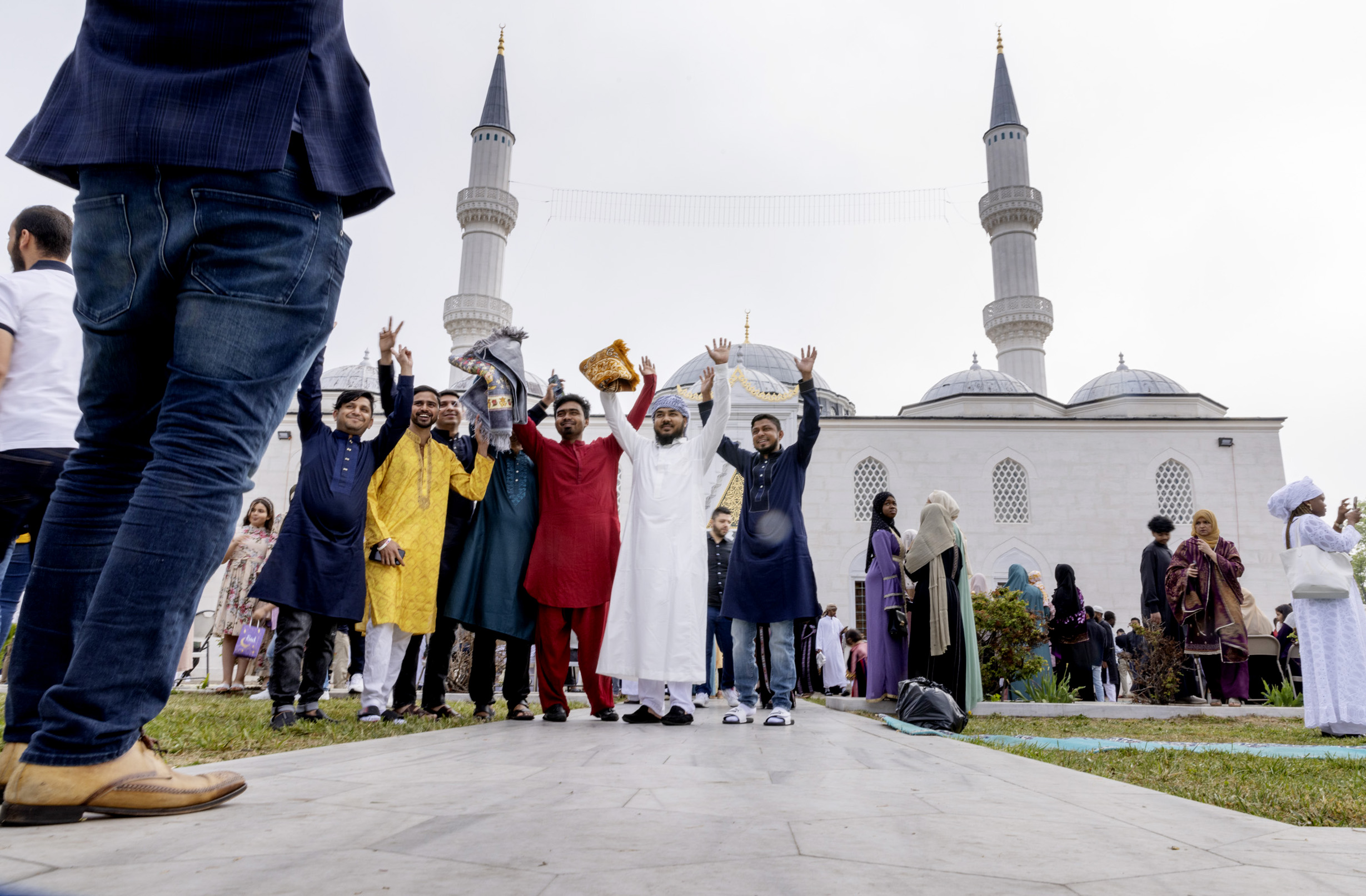
Khawaja Ashraf, who was born in Pakistan, says the community has come a long way, and that the mosque has been a blessing not just for him and his family, but for all muslims in the region. He says he’s also proud that Prince George’s County is the home for this resource.
“I thought there was a shopping center coming here,” says Ashraf about when he saw construction years ago. “Because when we came here first in 1975, there was no masjid, there was no halal store, anything, you know.”
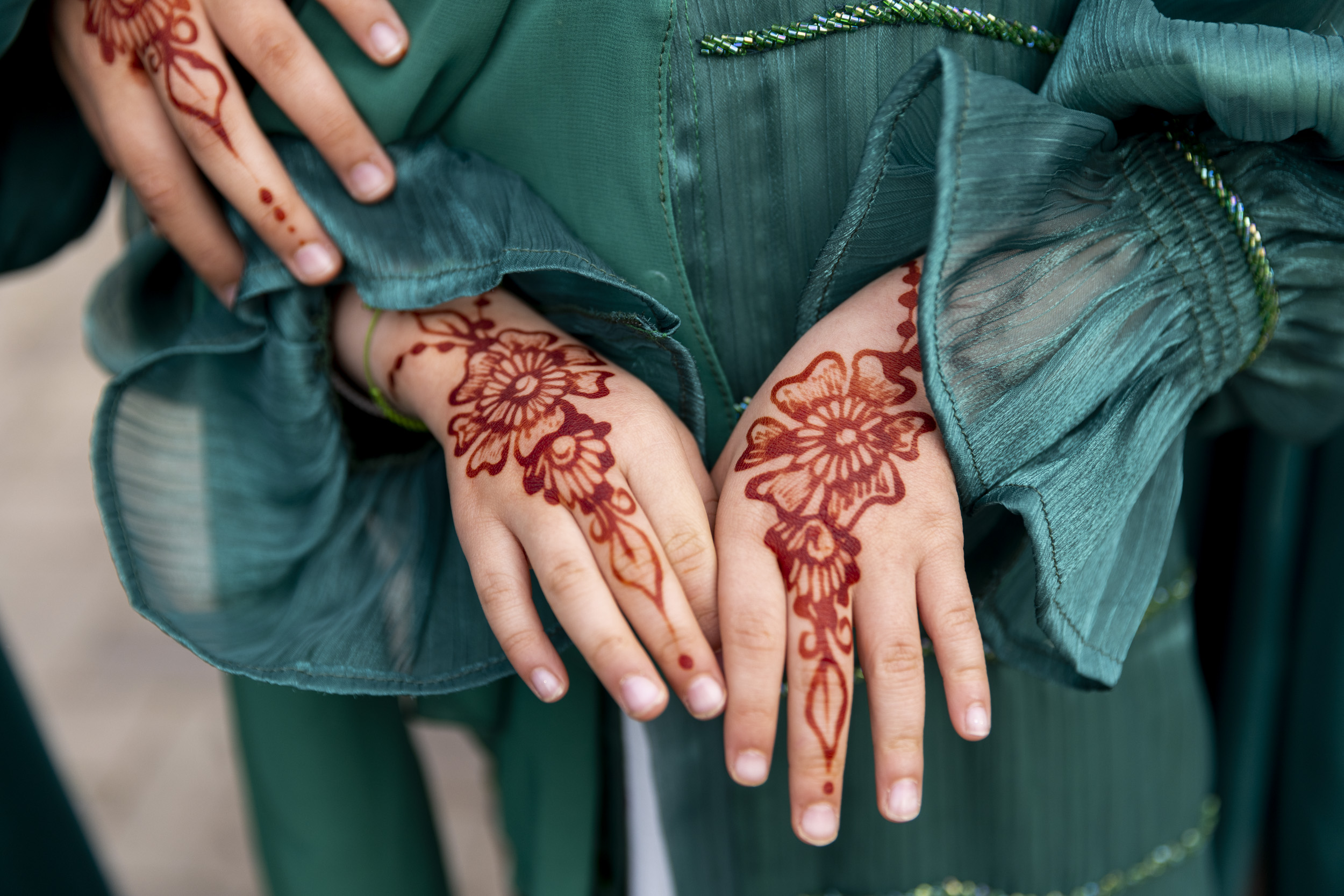
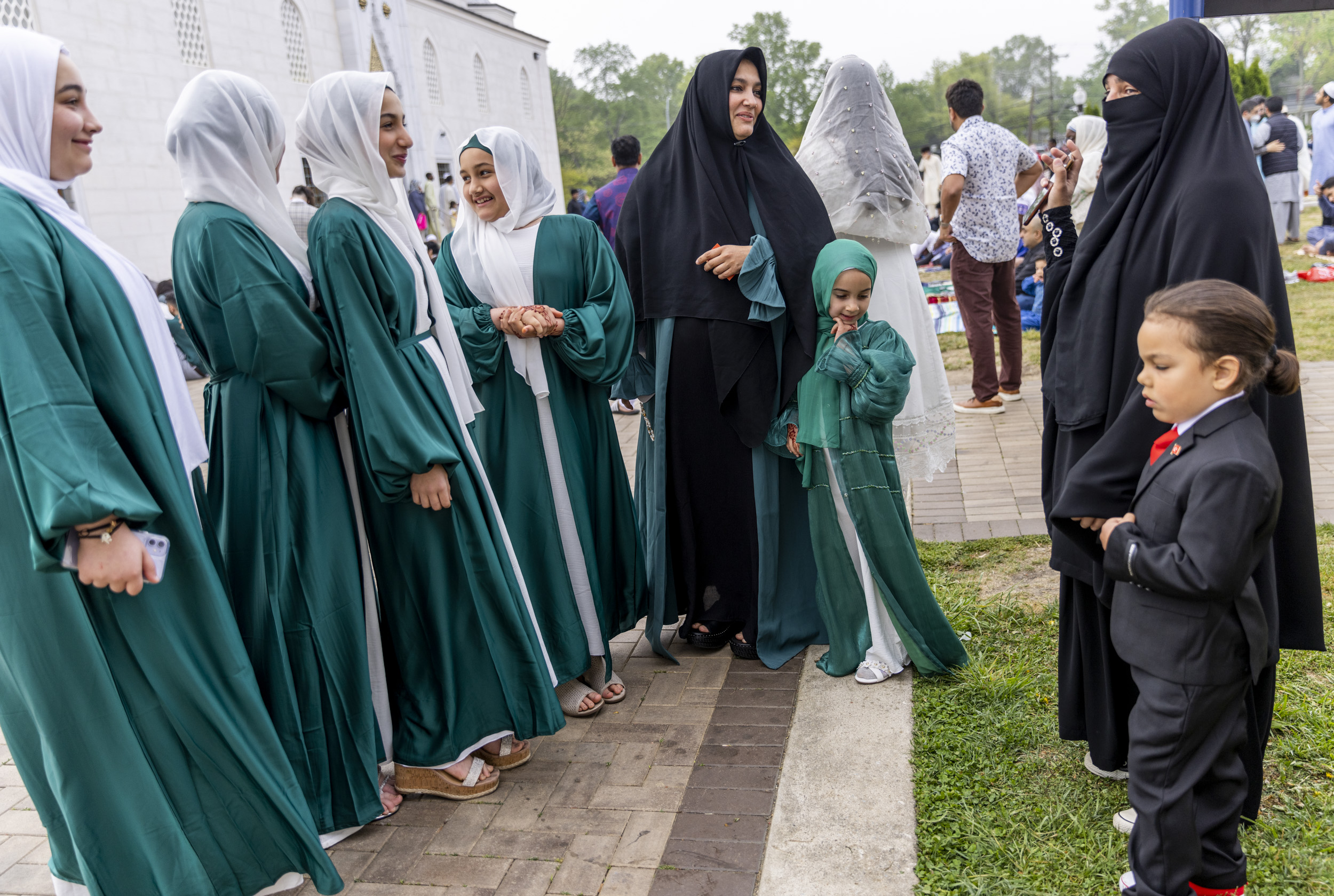
According to Bayraktar, the month of Ramadan is for people to dedicate themselves to God through prayer and reflection. But he says there’s also a social aspect involved when it comes to fasting, which is meant to help people better understand the experiences of the less fortunate. After several major earthquakes struck parts of Turkey and Syria earlier this year, the Center raised funds to provide iftar meals, which are eaten to break one’s fast, to those in need.
Riadh Mos, who came to celebrate with his wife, says there’s both a religious and personal obligation to support the center’s humanitarian efforts. Mos first came to Maryland about 20 years ago after immigrating from Tunisia. Before leaving the celebrations, the couple made a small donation.
“So we donate for God,” says Mos. “To help who’s in need for anything, and to keep this community going.”
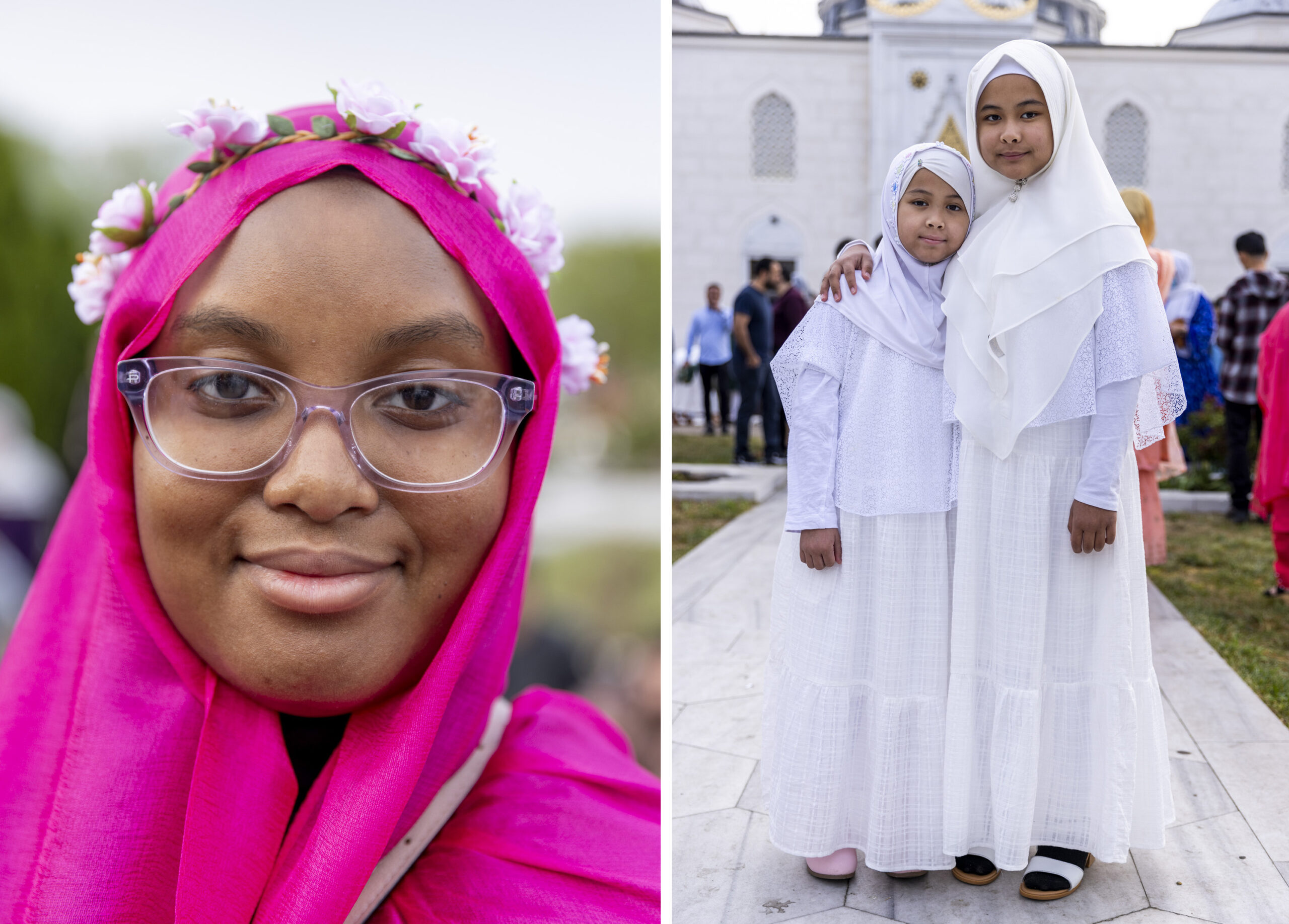
That help went a long way for Fazel Hakeem Safi. He says the ummah not only welcomed him initially but has since helped him feel a continued sense of community. Like thousands across the region, Safi fled Afghanistan after the Taliban seized control of the country in 2021.
“When we first arrived, we had support from our Muslim communities,” says Safi. “Living close to this mosque, we were lucky.”
For Samiya Amrani, who was born in Algeria, there’s an almost unbreakable sense of unity among her and the ummah when they pray. Nothing makes her happier on a day like Eid Al-Fitr, than being in sync with others in her faith – no matter where each individual comes from.
“You feel like there is no difference between you and the other person next to you. That’s what makes us happy,” says Amrani.