Morgan Baskin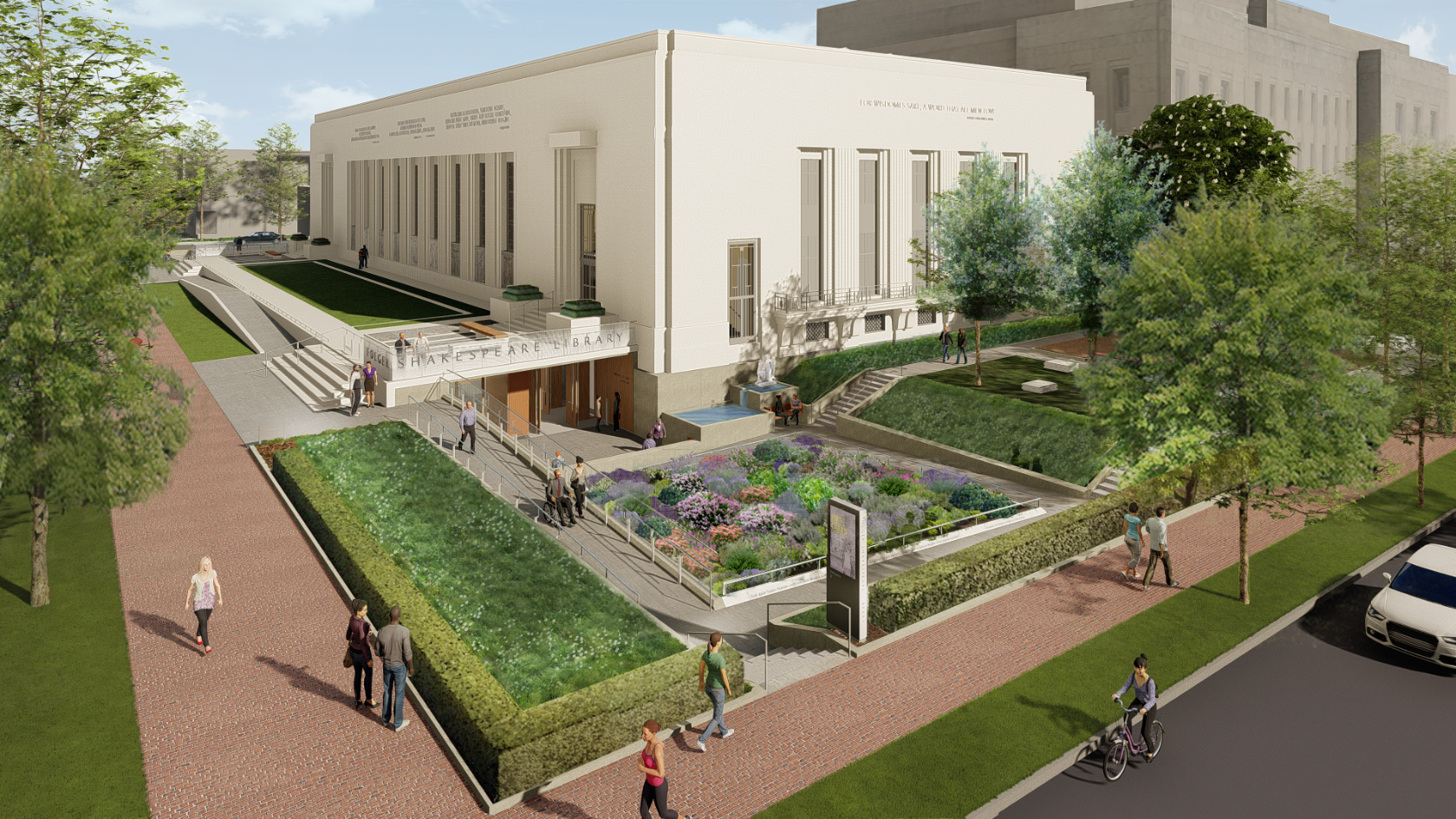
Update: The Folger Shakespeare Library’s Capitol Hill building will not reopen until 2024, the library said Aug. 9. The exact date in 2024 has not yet been determined.
Folger attributed the delay to the complex nature of renovating a 100-year-old building. For example, the organization must be completely sure that systems for temperature and humidity controls are functioning properly. “Objects within the Folger’s collection cannot be returned to the building or installed in exhibition spaces until all testing is completed and verified,” the organization noted in a press release.
“A project of this complexity and lasting impact requires attention at every stage of the work, and this work simply requires more time,” Folger Director Michael Witmore said in a statement. “We know that in pushing forward the reopening, we are setting the Folger up for success in the years ahead.”
Original:
More than three years after it closed in March 2020 for extensive renovations, Capitol Hill’s Folger Shakespeare Library will reopen to the public on Nov. 17, the institution announced on Wednesday.
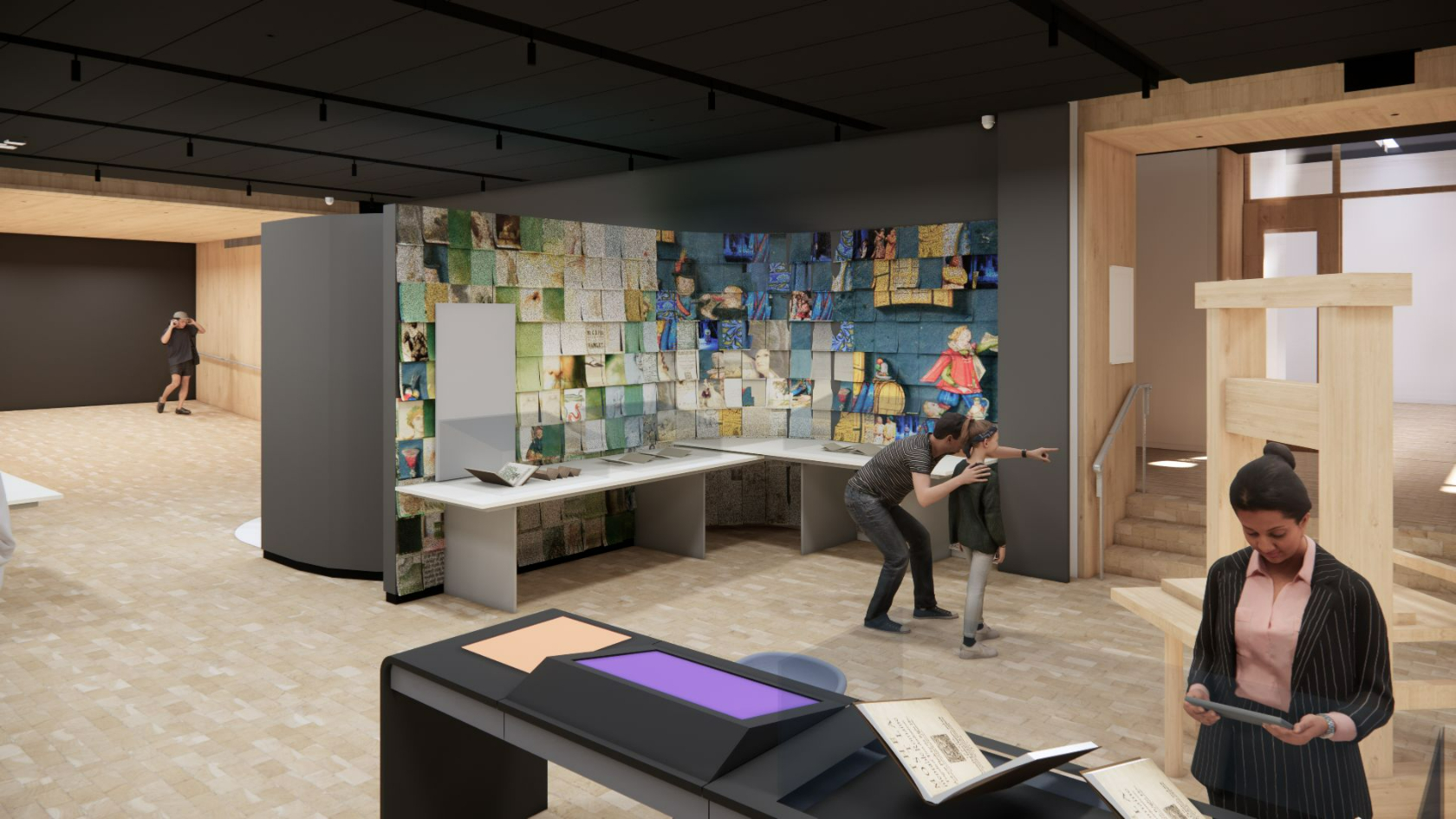
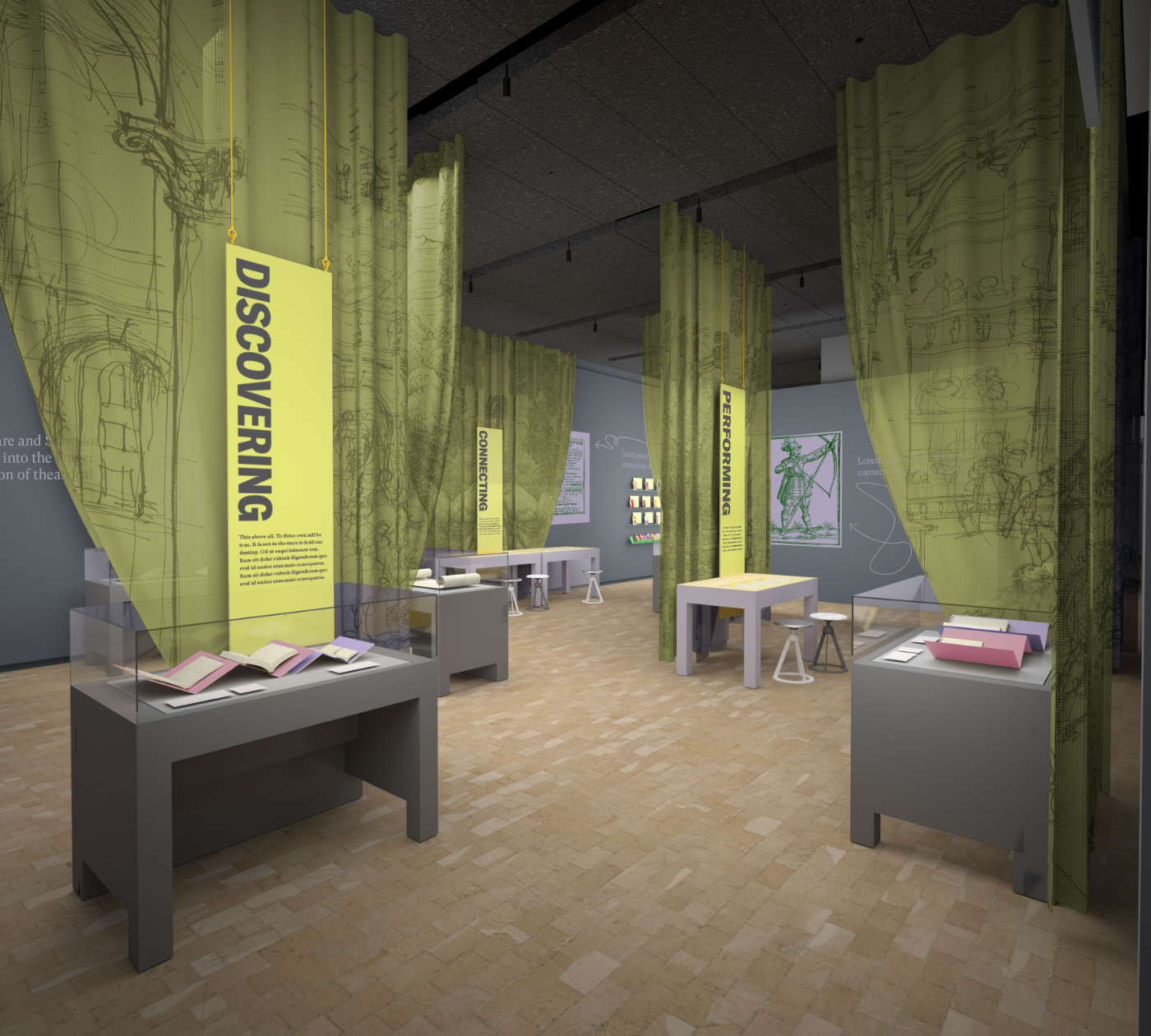
The $80.5 million renovation will see the library adding 12,000 square feet of new public space, half of which will be comprised of two exhibition halls; the renovation also includes walkable gardens, a pavilion, cafe, and study rooms for researchers, among other changes.
Folger Director Michael Witmore first began working with the library board in 2013 to draft plans for the renovated complex, aiming to increase accessibility for visitors.
“There are infinitely more possibilities for engaging our neighbors in ways that matter to them, supporting the expansive academic and artistic possibilities, as well as opportunities for local students, artists, families, tourists, and so much more,” Karen Ann Daniels, Director of Programming and Artistic Director of Folger Theatre, said in a press release.
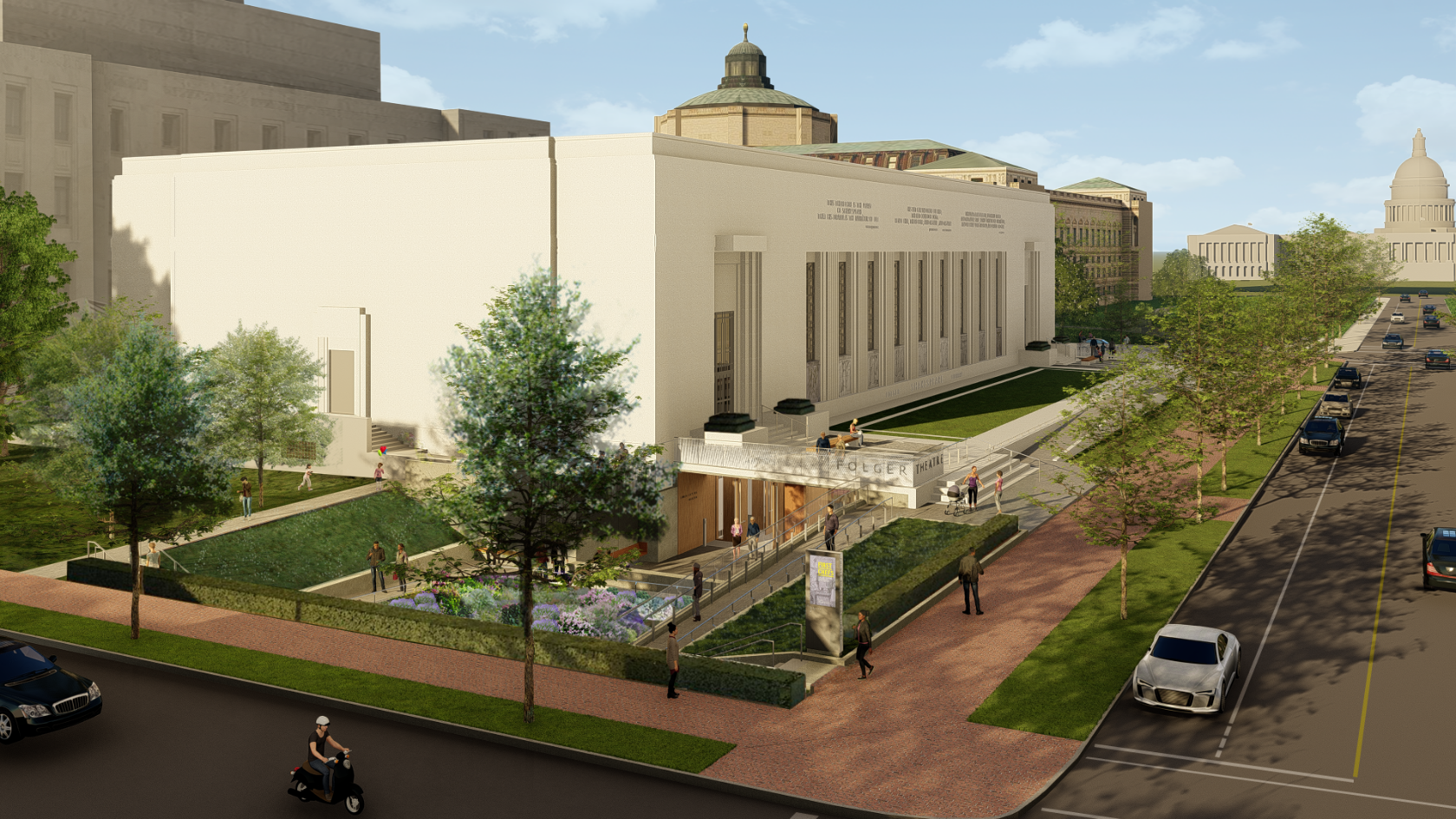
Located on East Capitol and 2nd Streets NE just kitty-corner from the Supreme Court, the library serves as a research center for Shakespeare studies and hosts regular programming designed to breathe new life into the author’s works. It also houses a theater that regularly put on Shakespeare’s plays.
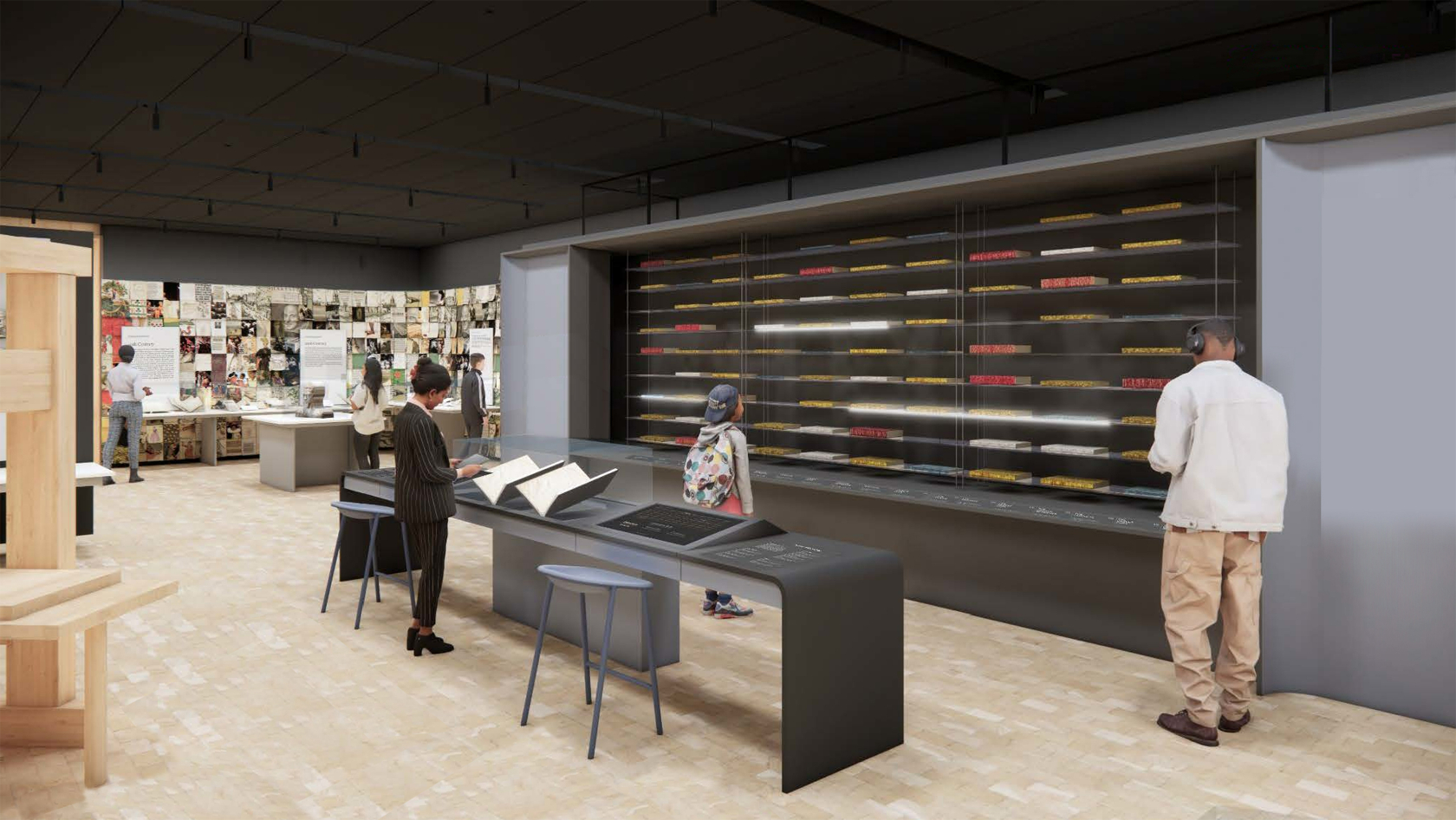
Its inaugural permanent exhibition will showcase the library’s 82-copy collection of First Folios, the first published copies of Shakespeare’s works. Produced in 1623, the books represented the first time that roughly half of the Bard’s plays appeared in print; Folger’s collection of copies is the largest in the world. When the Folger reopens this fall, it will display its entire collection of folios for the first time in a 20-foot vault.
Since closing to the public, Folger has partnered with regional institutions to host plays outside its own facility, including a production of A Midsummer Night’s Dream that ran last summer at the National Building Museum.