Héctor Alejandro Arzate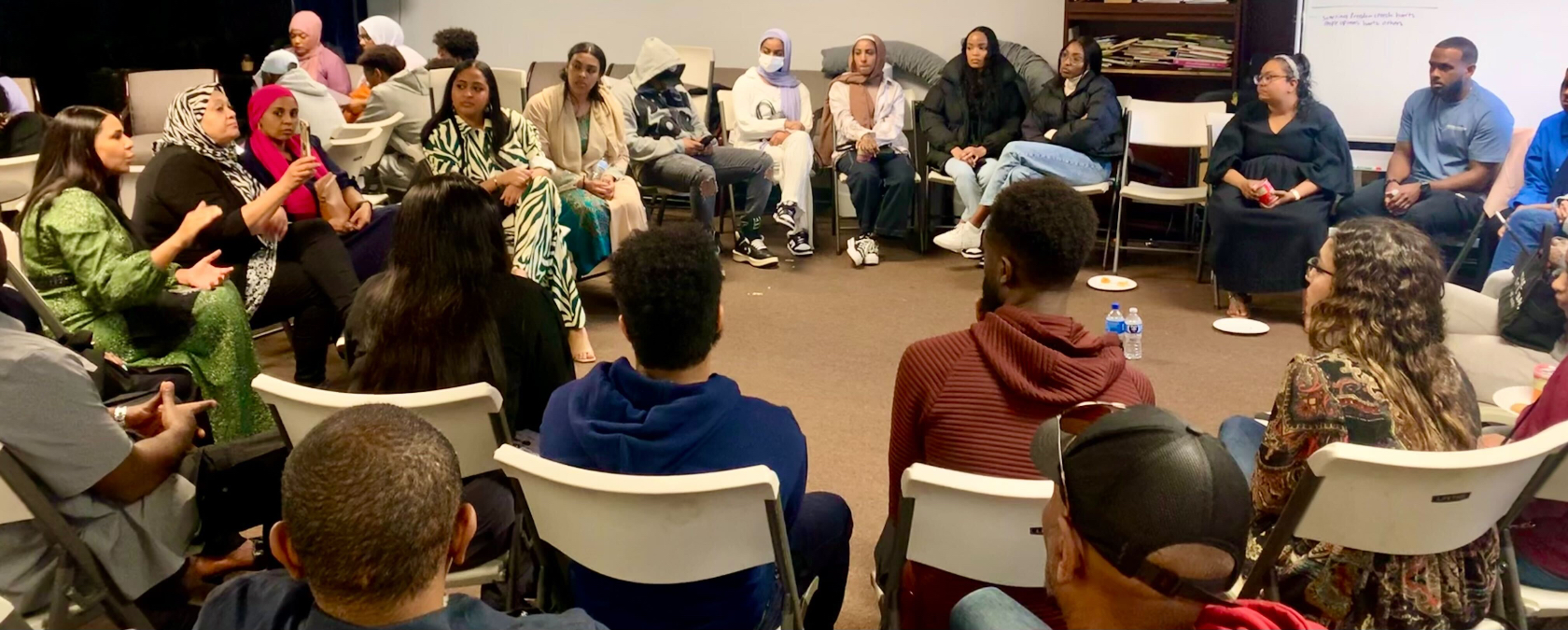
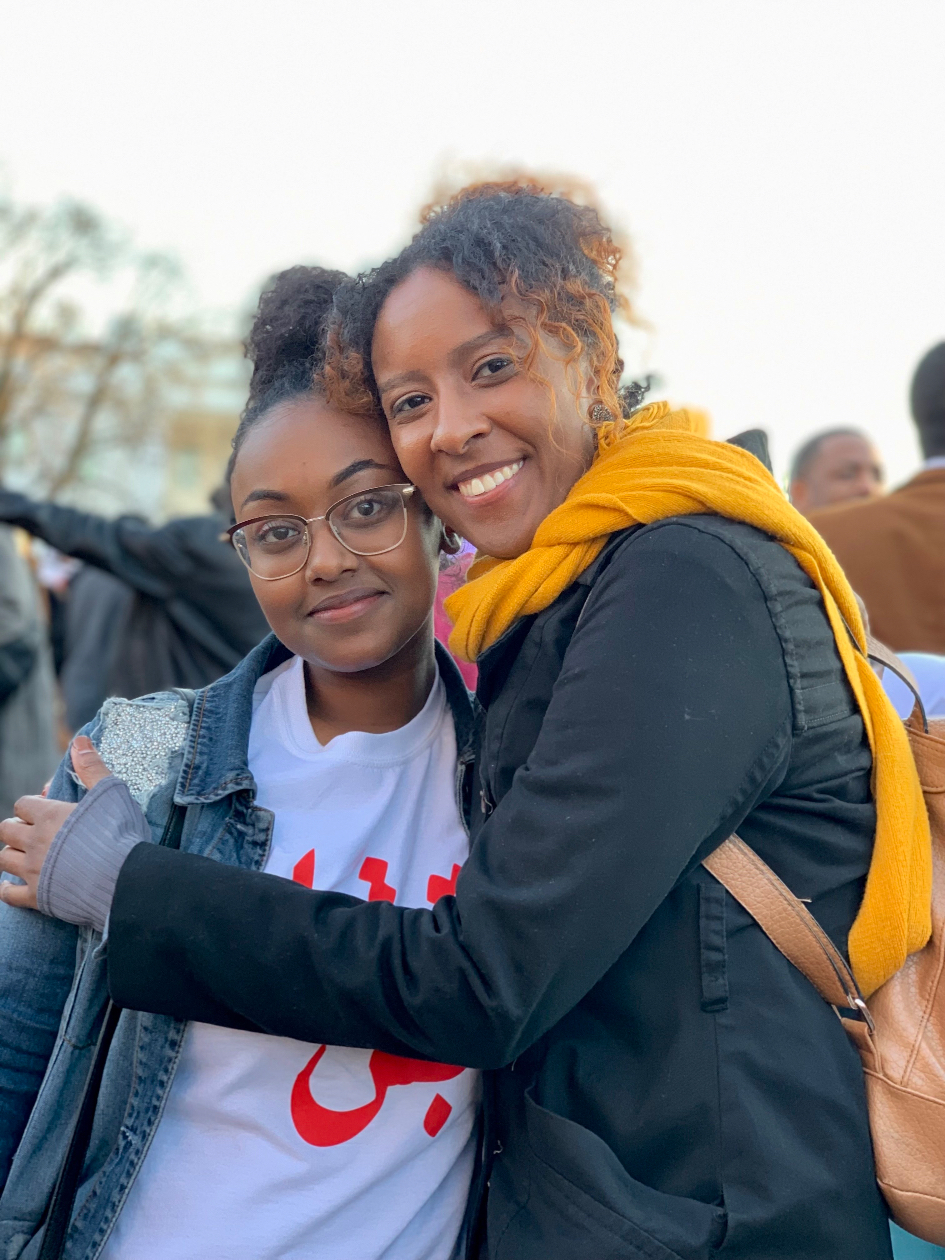
Sudanese immigrant Wafa May Elamin says she has struggled lately to navigate her daily routine – which usually starts by checking in on her family members back home and reading up on the latest news coming out of the Sudan. In between scanning her work emails, Elamin says she looks out for video messages from her loved ones to make sure they are mostly safe.
“You can hear active gunfire in the background,” says Elamin, who was born in Sudan and lives in Alexandria, Va. “It’s kind of like experiencing second-hand trauma, knowing that this is what our family is going through.”
Earlier this month, a violent power struggle broke out between the leaders of the Sudanese army and the paramilitary Rapid Support Forces – which both took control of the government in 2021. A plan to transition back into a civilian-led government was denied after both military leaders refused to cede power. This led to an ongoing fight in the capital of Khartoum, which has killed hundreds of people and forced thousands to flee their homes.
“Our hearts are heavy,” says Elamin. “It just gets a little bit overwhelming sometimes.”
Elamin and others in the Sudanese diaspora are trying to bring awareness to the conflict through the social media hashtag #KeepEyesOnSudan. They’ve been raising funds for organizations like the Sudanese American Physicians Association – which is providing emergency relief to victims on the ground. Last week they held an event to provide a space for local community members to support one another.
“I’m finding myself feeling a sense of helplessness and not really being able to do a little bit more. But there’s also a big underlying pride there, to being Sudanese and knowing that our people are so resilient,” says Elamin.
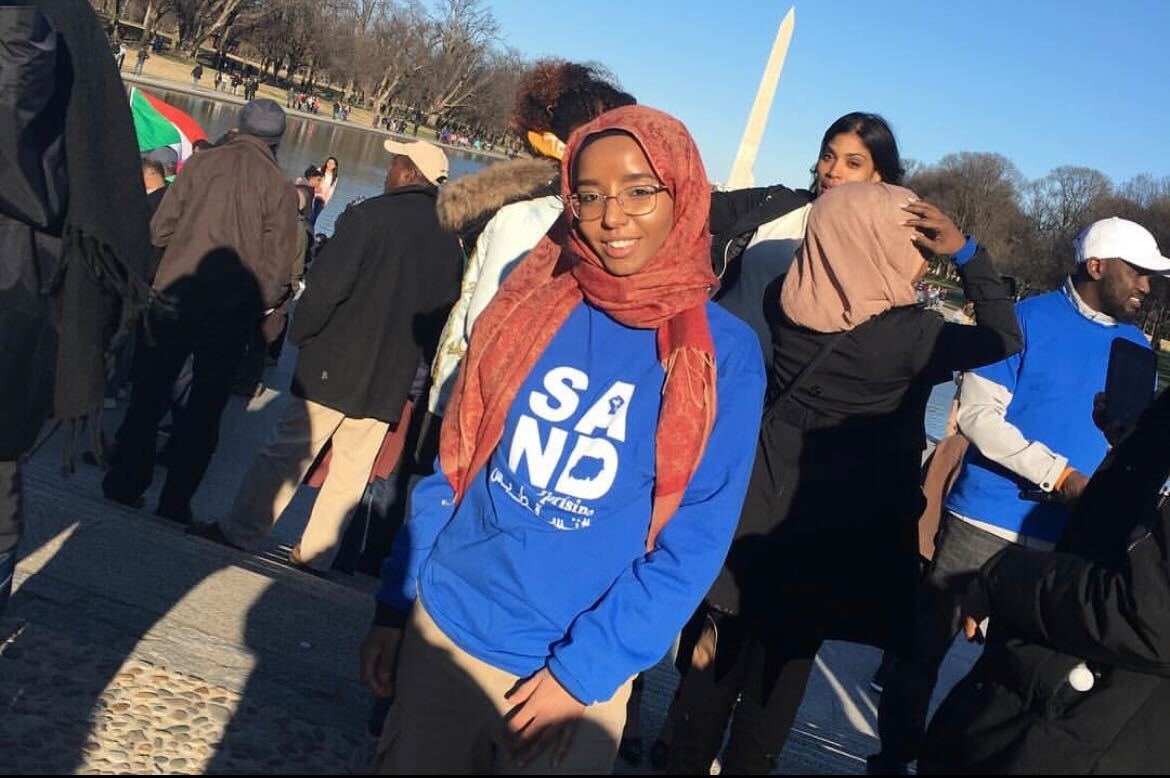
Bayadir Mohamed-Osman says the efforts to support one another are crucial. While she was raised in Maryland, she too was born in Sudan and has been checking on her family – including her father who moved back to the country in recent years. She’s also been coordinating with organizers in Sudan through WhatsApp and Twitter to help people evacuate affected areas.
“We’re really working as a community to make sure everybody is safe,” says Mohamed-Osman, who is also a poet and author. “It’s really just ourselves, saving ourselves.”
Mohamed-Osman says her father is a political activist that was forced to flee Sudan under the country’s former dictator, Omar al-Bashir. It wasn’t until al-Bashir was ousted in 2019, after three decades in power, that her father was finally able to return. But she says that now, it’s not just his life that’s at stake – it’s decades of progress towards the country’s infrastructure, democracy, and also people’s livelihoods.
“I don’t know if my family is going to make it out alive. I don’t know if they do make it out alive, will they even have a home to live in?” says Mohamed-Osman.
Mohamed-Osman says she doesn’t view the current conflict as a civil war, and she wants the rest of the world to understand that. She says most of the people of Sudan just want to live in peace, especially during times when they want to be together to celebrate. The fighting broke out during the month of Ramadan and just days before Eid al-Fitr, one of the holiest days for the religion of Islam.
“The people aren’t actually involved in it, they’re just the collateral damage,” says Mohamed-Osman. “This is not the life that we deserve.”
Wad Khalafalla was born in Sudan but spent years in northern Virginia when her family first immigrated. She says the D.C. region is home to one of the largest Sudanese diasporas in the country, so she was able to form tight bonds with many others. Now, she’s turning to her faith for their well-being just as she would for her actual relatives.
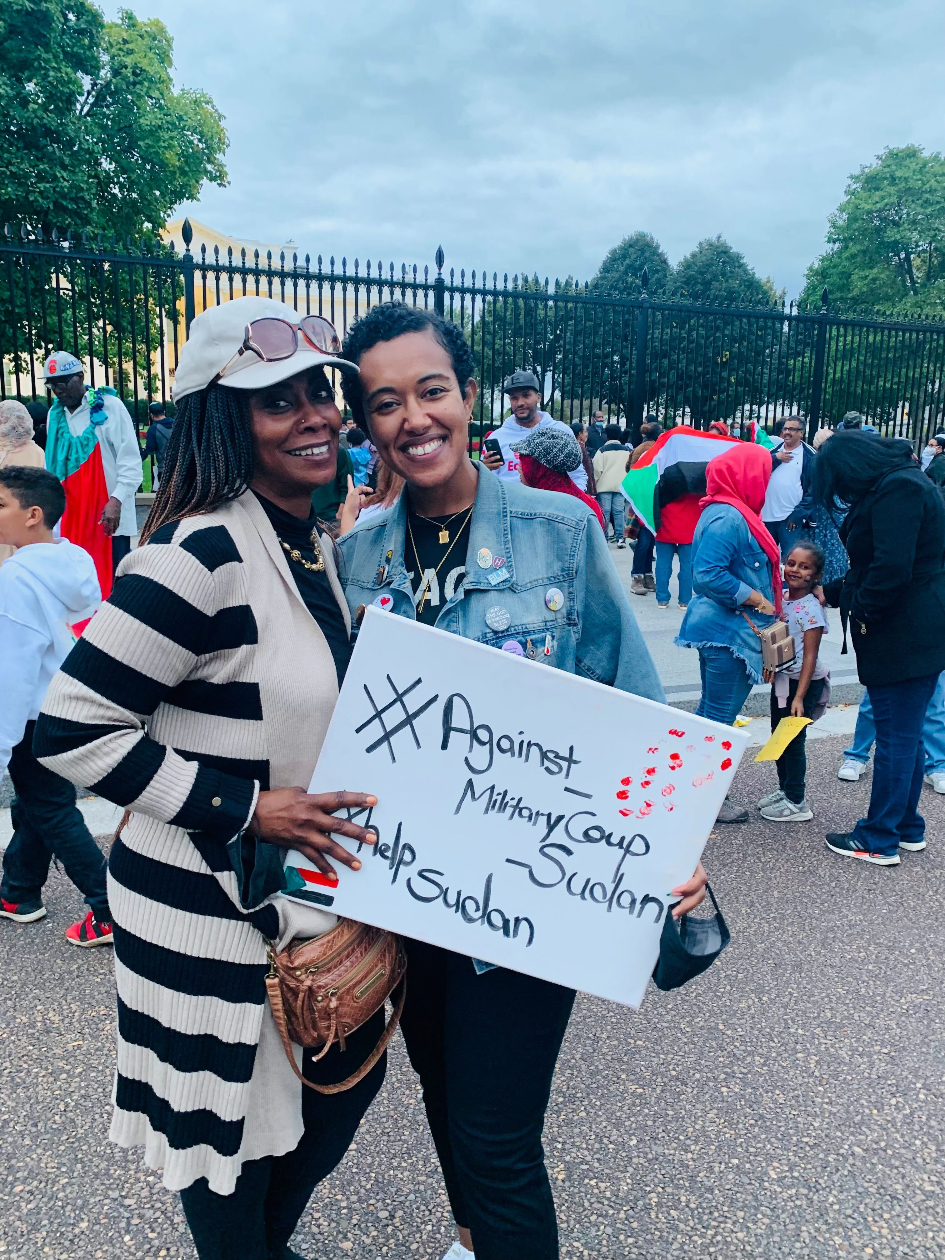
“The Sudanese community in NoVa provided me an opportunity to have cousins without blood,” says Khalafalla. “I’m just praying for the people of Sudan and not just my family, but all of the families and especially those that have been affected.”
Khalafalla says that despite many years of strife in Sudan, the country is much more than just a place of turmoil. It’s home to rich culture and traditions that stem from a mix of Arab and African influences. But most of all, she says her people are kind and deserving of peace.
“If you ask a Sudanese person for a shirt, and they don’t have any, then they would give you the one off of their back,” says Khalafalla.
Marwa Fadlalla has fond memories of that kindness from growing up in northern Virginia and attending large gatherings with the Sudanese community. She says they did most things together – like celebrating birthdays, breaking their fast during Ramadan, or mourning at funerals. As an immigrant, Fadlalla says her culture and community spaces were as crucial then as they are today.
“I honestly love everything about it, like the culture, the history, the people. Everything. I love being Sudanese,” says Fadlalla.
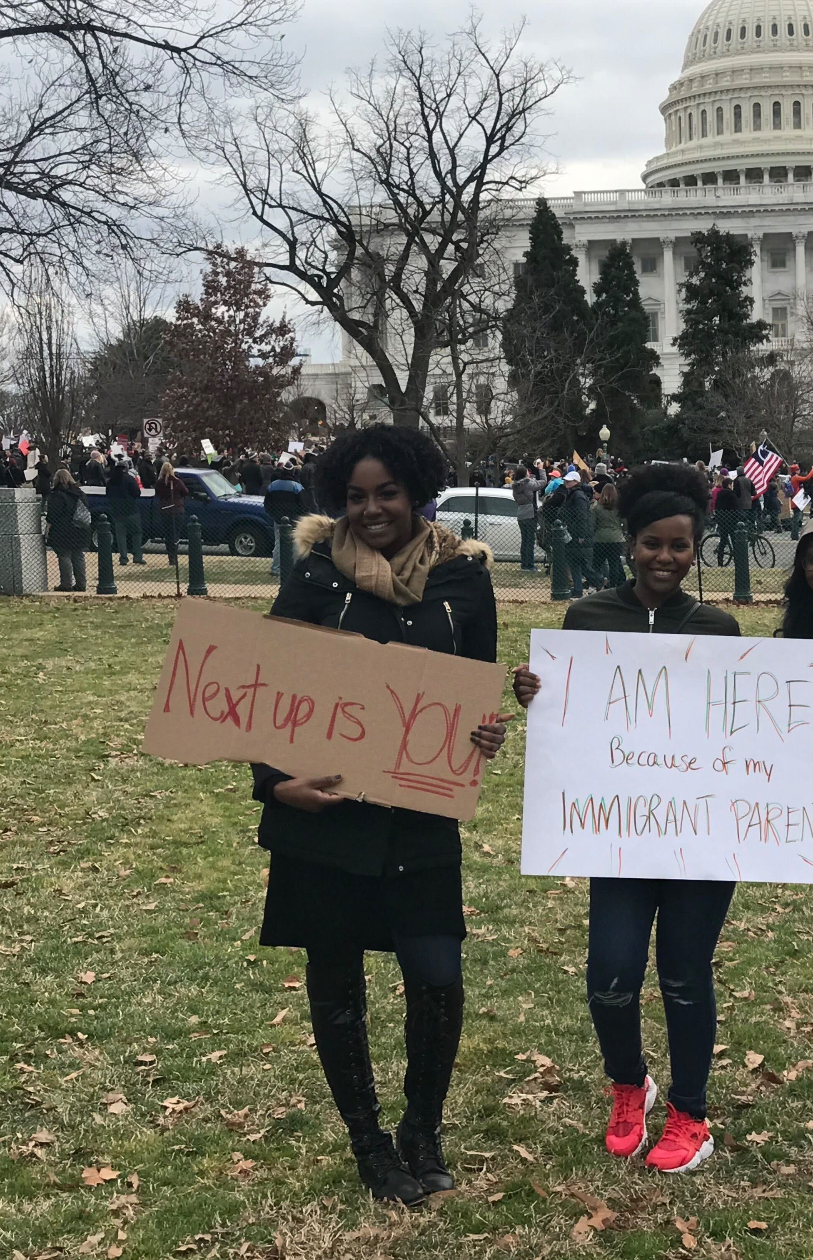
While the fighting continues, Elamin says she hopes that elected officials in the D.C. region can advocate for the U.S. and other countries to provide humanitarian aid for those in need. For the time being, however, she at least wants the world to see the people of Sudan for their resilience and beauty.
“Sudan is the heart of the Nile,” says Elamin. “Which I think is very telling to what the Nile does in the continent. It’s the water stream that enriches growth in the natural world, but also just that constant flow of change.”
On Saturday, April 29th, a protest against the conflict in Sudan, organized by the Sudanese Student Association at Virginia Commonwealth University, will be held near the White House along Pennsylvania Avenue NW.