Colleen Grablick
I am not what one would call “a birder.” I am, however, bird-curious.
I can’t identify the calls of a cardinal from the chirps of a chickadee. I don’t have one of those khaki cargo vests. I don’t even own a pair of binoculars (yet). My version of “birding” mostly looks like me pointing at a bird and going “look!” to someone around me, before adding it to a humble (but growing!) list on my phone.
But according to bird experts, I’ve already accomplished the first step of birding: noticing.
“I can’t go out and sit on a patio somewhere without thinking about the birds and noticing the birds,” says Zach Slavin, a board member and volunteer at the D.C. Audubon Society. “It can really become a constant part of your life.”
And luckily, I’m in the perfect place — and the perfect season — to spread my bird-watching wings. During the spring and summer, the region’s forests, wetlands, and rivers make an attractive pit-stop for migratory birds on their journeys north, while the more common, year-rounders become more active and easier to spot in their breeding season. Aside from the tourists, they’re some of the region’s most reliable seasonal visitors.
Bird watching, even for those just starting to dip their beaks into the birding business, can scratch several itches: It’s adventurous, taking fanatics far out into a forest, but it’s also serene — you can’t be too loud or you’ll scare the birds! Tracking the species you’ve spotted with apps or books can become like a real-life game of Pokemon, and catching a glimpse of a rare one feels like a low-stakes accomplishment. It’s also a way to build community with other bird nerds, as Slavin says.
“The people who you meet birdwatching tend to be really fantastic and really interesting, quirky, nerdy people,” he says. “I think between the birds and the places that it takes you, as well as the people you will meet bird watching, I think it can be a really, really valuable thing.”
While he’s an expert when it comes to identifying feathered friends, he recommends resources like the Merlin App for newbies, which, in addition to answering basic questions about size, shape, and coloring, also has a sound identification feature — like Shazam for birds. The eBird app from Cornell’s Lab of Ornithology can help you keep track of birds you’ve spotted, what birds other people have spotted in your area, and what birds you’re most likely to see given the time of year.
Since I’m by no means a bird expert (though I did recently install a bird feeder outside my window), we asked for some of your favorite bird-watching spots around the region. Here are some of the most popular responses:
Huntley Meadows
3701 Lockheed Blvd, Alexandria, VA 22306
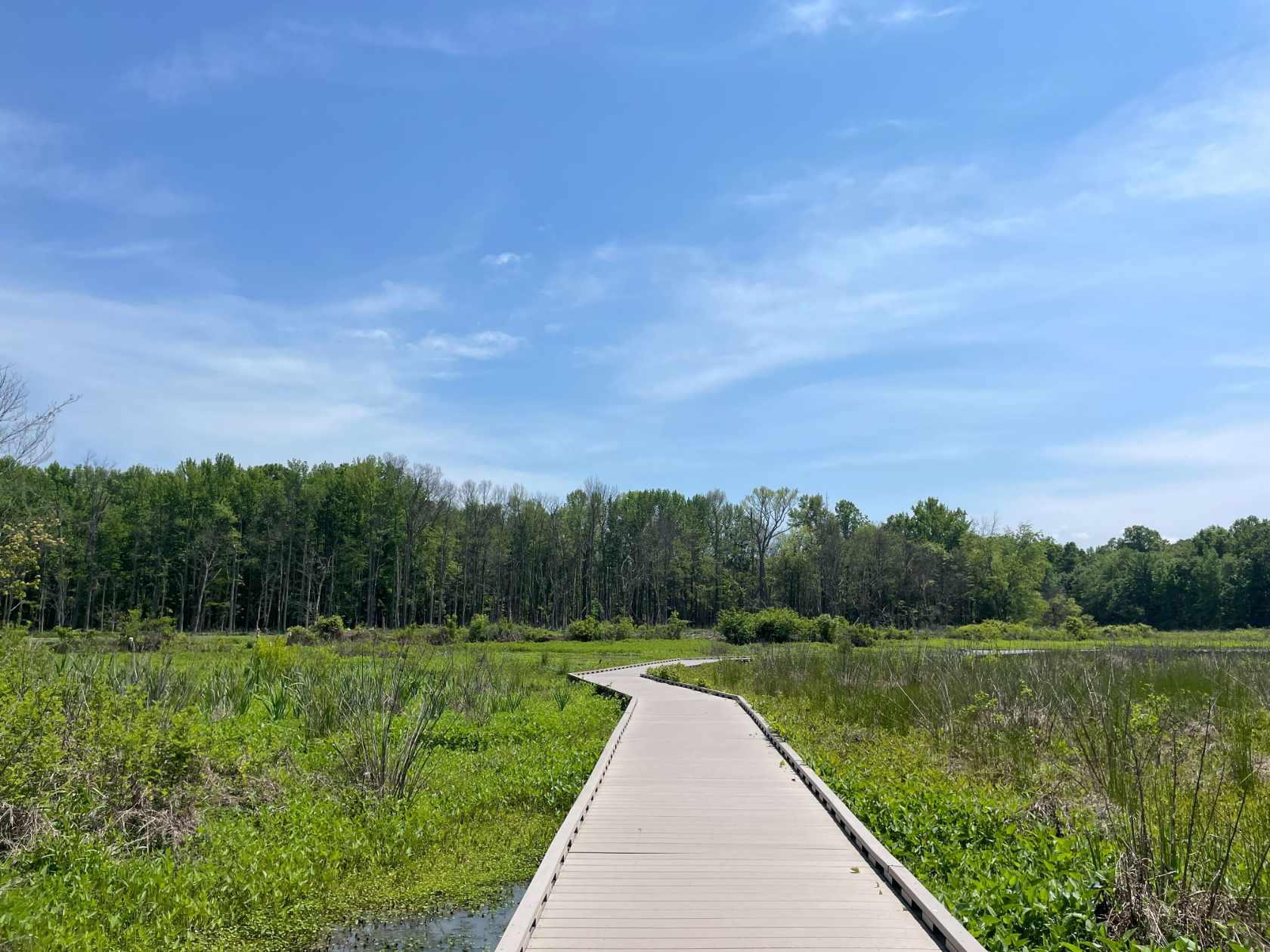
Walking through the boardwalks of Huntley Meadows, surrounded only by a symphony of squawking birds and the occasional camera shutter, it’s hard to imagine that a mess of concrete and cars is just a 30-minute drive away. Nestled in Fairfax County, Huntley Meadows has more than 1,400 acres of forest, marshlands, and trails to get lost in — literally — and a two-story observation area overlooking the wetlands. It’s the largest park in the Fairfax County Park Authority system, and its maze of boardwalks is one of the only wheelchair accessible wetland boardwalks in Northern Virginia.
There are more than 200 bird species in the meadows, including the barred owl, yellow-billed cuckoo, and the indigo bunting. During times of migration, you might catch different varieties of herons and egrets, blackbirds, and orioles. If you look down, you’ll see snapping turtles, snakes, and salamanders.
Kenilworth Park and Aquatic Gardens
1550 Anacostia Avenue NE, Washington DC, 20019
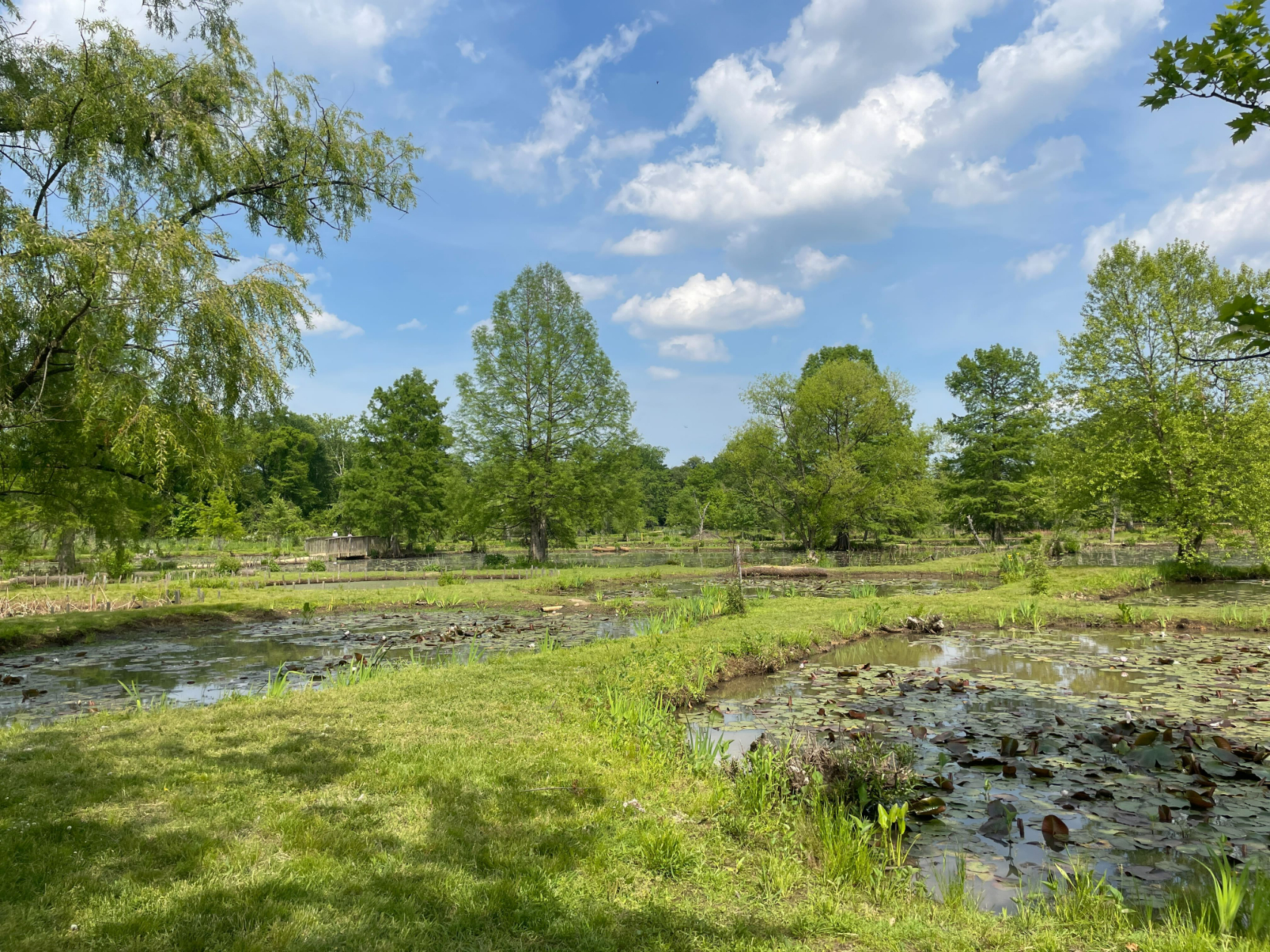
D.C.’s only urban wetland, Kenilworth Park and Aquatic Gardens is home to more than 250 species of year-round “resident birds and seasonal guests.” Resident birds include the red-winged blackbird, belted kingfisher, and Canada goose. (No not that one.) During spring migration (mid-April through mid-May) you can expect to see egrets, herons, and American woodcocks.
There’s a bird walk every Tuesday morning from 8:30 a.m. to 10 a.m; even new birders are encouraged to attend! Bring comfy shoes, water, and binoculars if you have them.
Theodore Roosevelt Island
George Washington Memorial Parkway, Arlington, VA
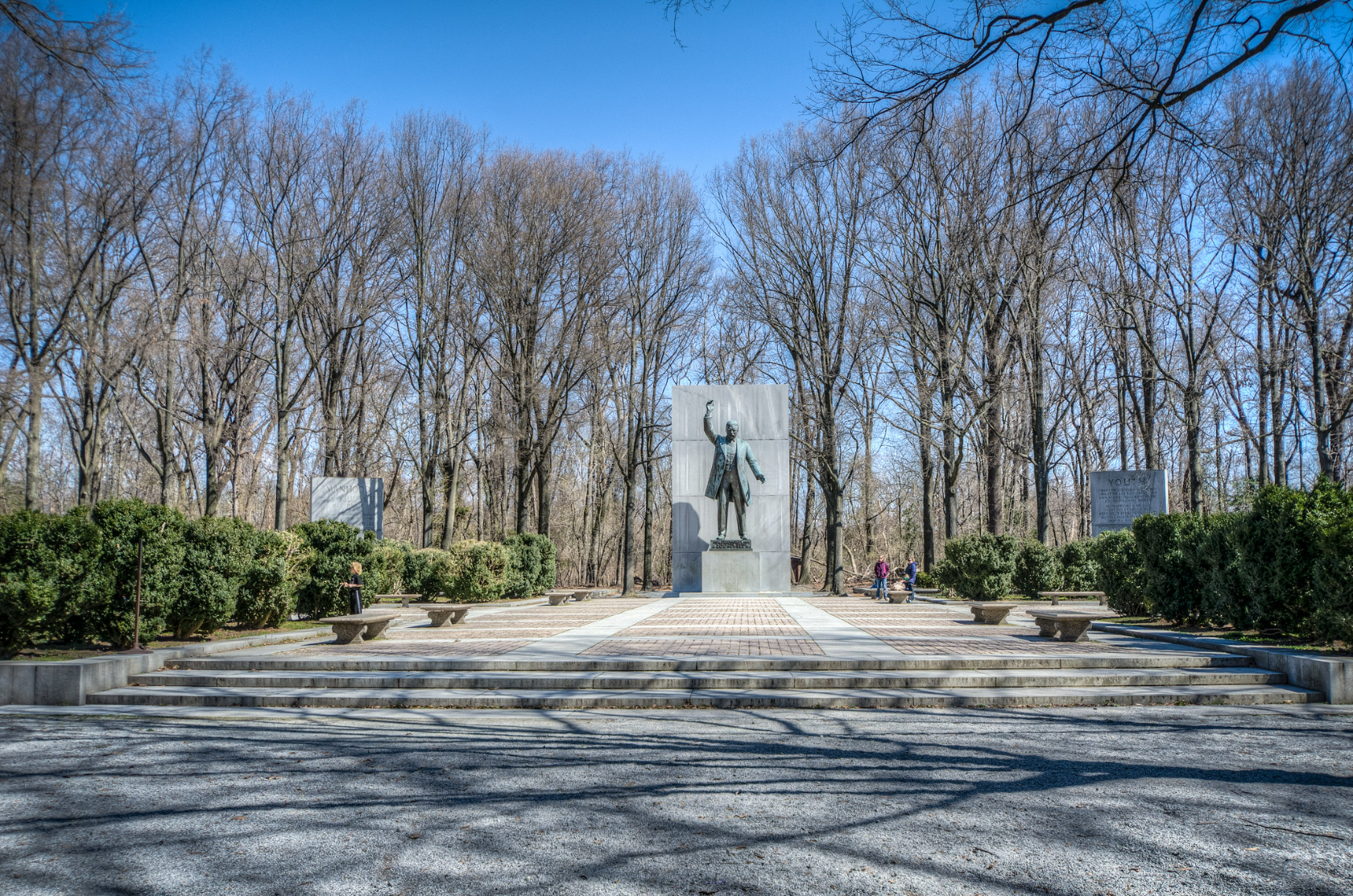
The physical center of the island might be a statue of a man half-covered in a green-blue patina, but for many the focal (and vocal) point of the island are its feathered friends. Three trails across the island give visitors a chance to spot more than 100 species. The Swamp Trail heads south, crossing a marsh where you may see waders, shorebirds, swamp sparrows, and marsh wrens. A boardwalk takes you through a wooded swamp, where you’re likely to see gulls and ducks. (Known thespians, gulls enjoy hanging out on the roof of the Kennedy Center across the Potomac River!)
If you continue down the Swamp Trail, you can take either Woods Trail or the Upland Trail, which will take you through the interior of the island, where you’ll see woodpeckers and songbirds. A total of 205 species have been reported on eBird from Theodore Roosevelt Island.
Kingman Island, Heritage Island
Main entrance: RFK Stadium Lot 6, 575 Oklahoma Avenue Northeast, Washington D.C.
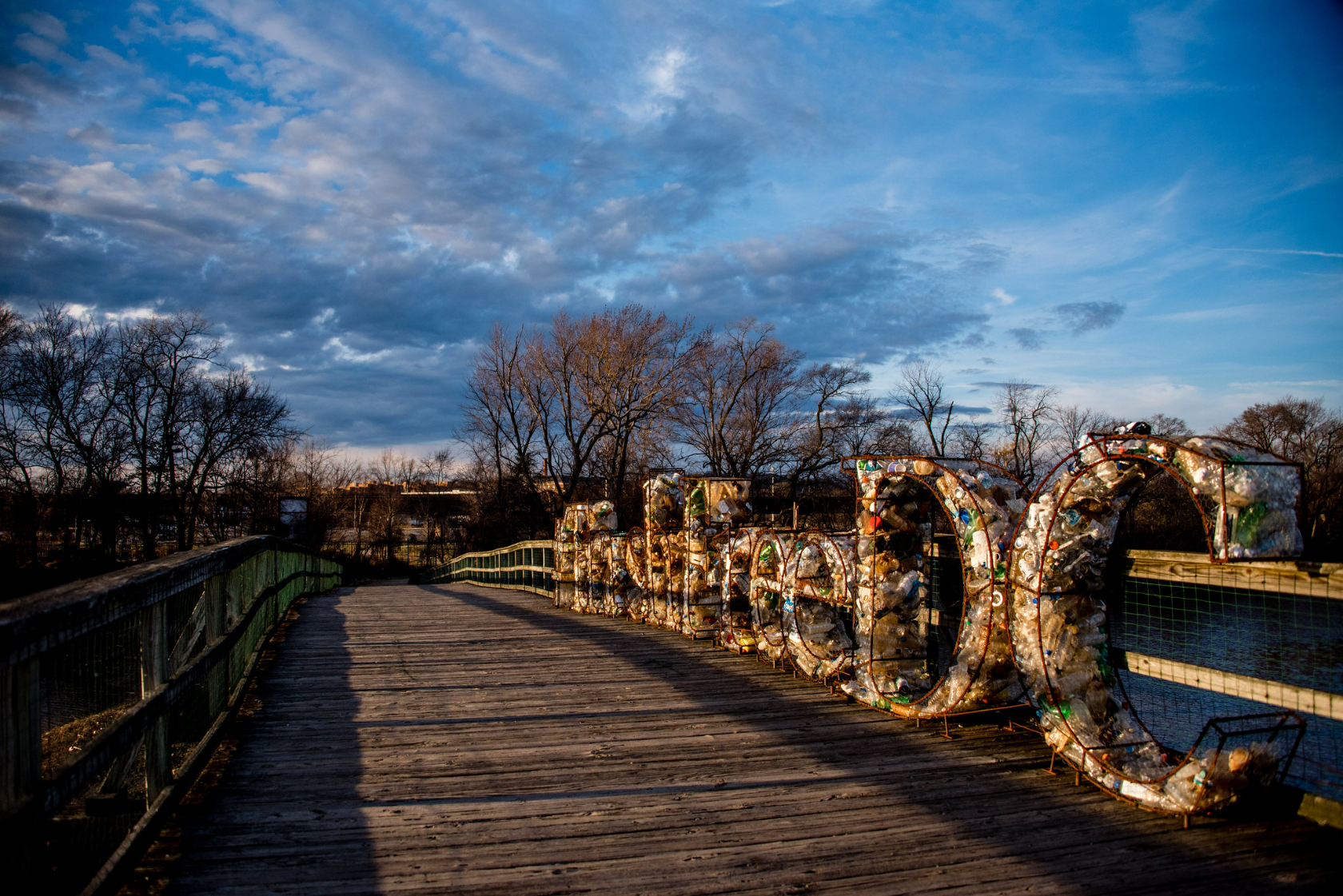
Located in the middle of the Anacostia River, Kingman Island and Heritage Island, are connected by a foot bridge and are home to more than 100 different species of birds and mammals. In the summer, you can expect to see a variety of ducks and shorebirds who enjoy low water levels. Egrets and herons reside in the area between May and September. Some gulls, including the caspian, common, and forster’s terns hang around in the warmer months too.
But beware: remember when people were getting attacked by wild turkeys in D.C.? Yeah, that was on the Anacostia Riverwalk trail — a 12-mile loop that follows the river and passes by the islands. While it’s been a year since we covered such a bird brawl, keep your eyes peeled.
Rock Creek Park
Various entrances
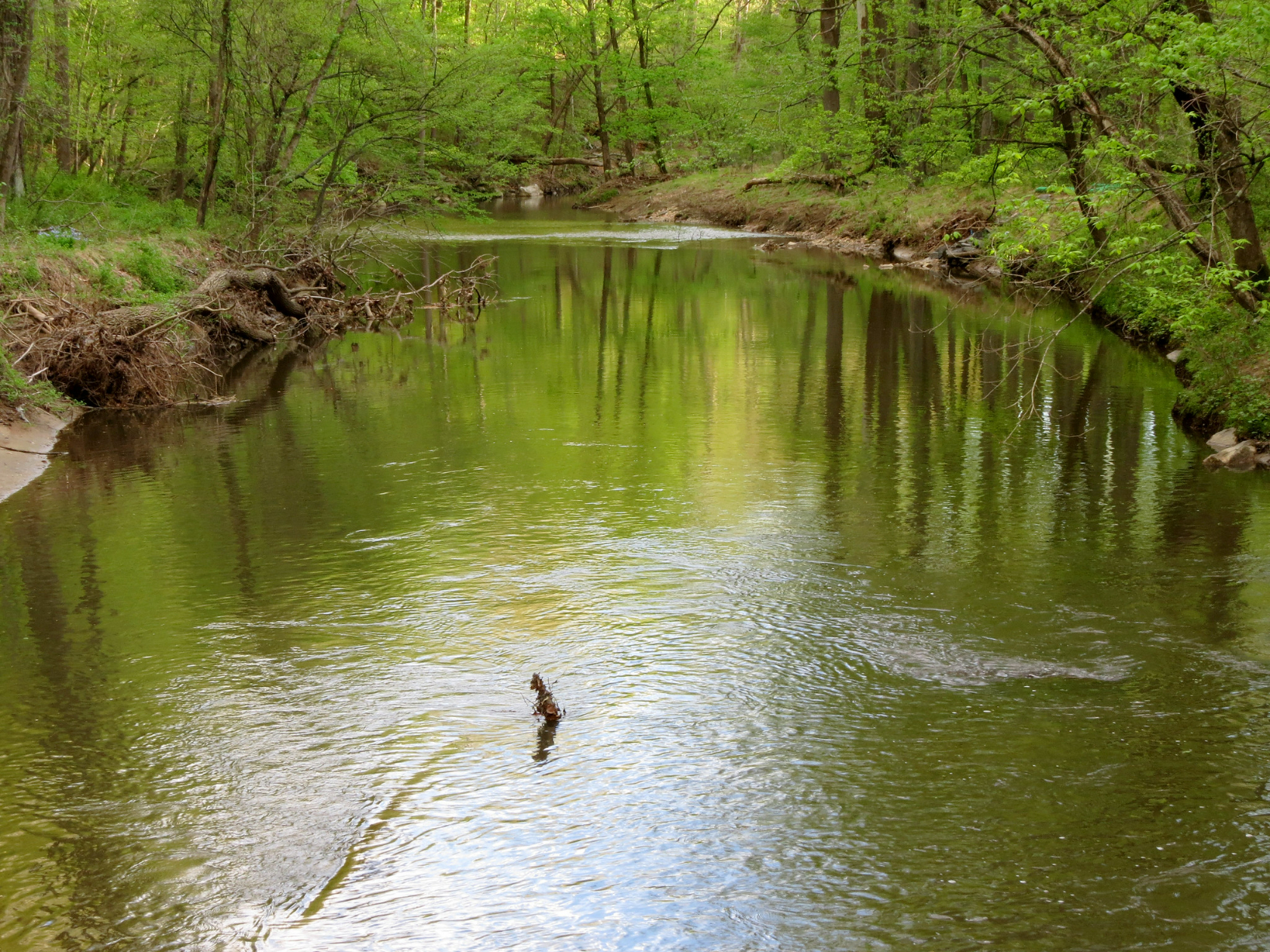
As one of the largest urban parks in the nation and the largest forested area in D.C., Rock Creek Park is a hot-spot for eagle-eyed watchers. Although the size park might be overwhelming, a few specific spots are favored by birders: West Ridge from Military Road south to Broad Branch Road, the Maintenance Yard and picnic areas 17 and 18, as well as the equestrian corral area by picnic areas 25 and 26.
The park sees a variety of migratory birds throughout May including hawks, red-eyed vireos, and warblers.
Hains Point
2301 Ohio Dr SW Washington DC (picnic area)
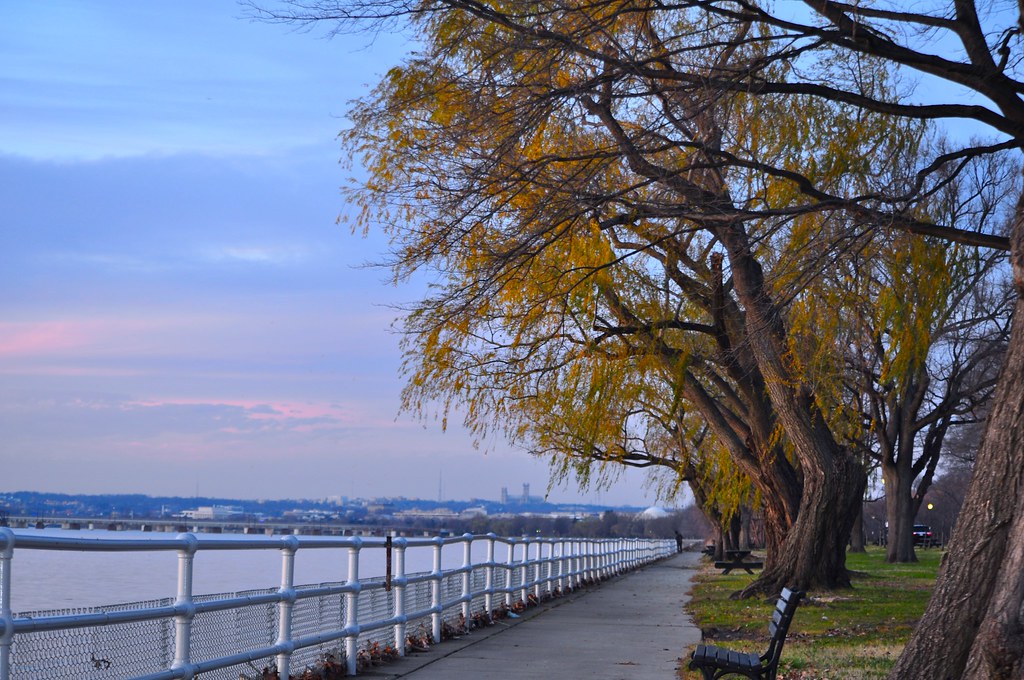
Located at the nexus of the Washington Channel, Potomac River, and Anacostia River, Hains Point’s varied habitats make it a buzzing hangout for several different types of animals, including birds, ground hogs, raccoons, foxes, and even coyotes. In the spring, you’re most likely to see migratory birds like northern flickers, perched in trees and bushes.
Fort Dupont Park
Minnesota Avenue SE Washington DC
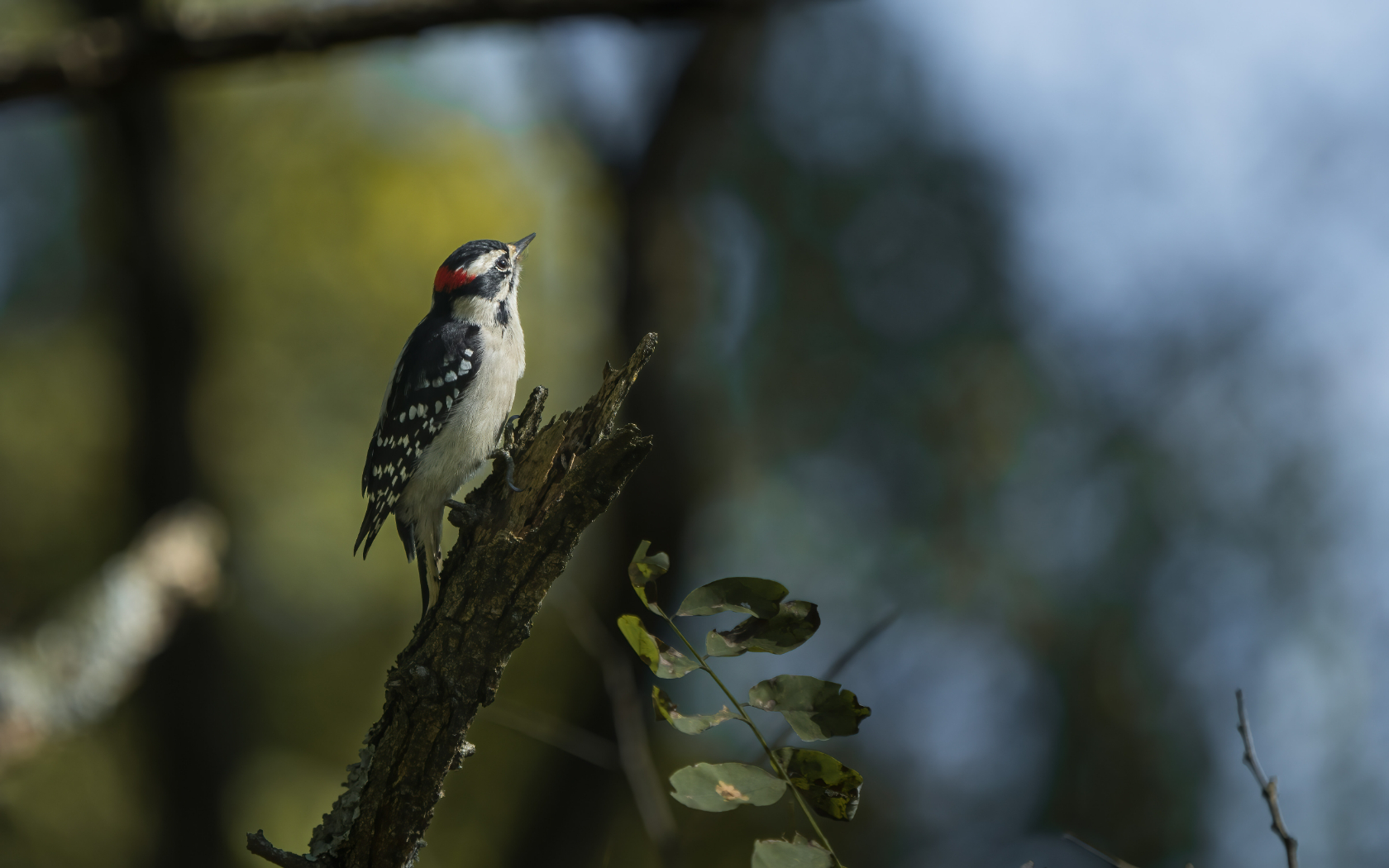
The 376-acre park that once housed a Civil War fort is now home to more than 100 different types of birds, including downy woodpeckers, red-eyed vireos, and wood thrushes. (Fun fact, wood thrushes have been the District’s official bird since 1967.) The forest of the park is a popular pit-stop for spring migratory birds on their journey north, and cavity-nesting birds like woodpeckers. Ground-nesting birds like the worm-eating warbler also enjoy the Fort Dupont real estate.
Constitution Gardens
19th Street and Constitution Avenue NW, Washington DC
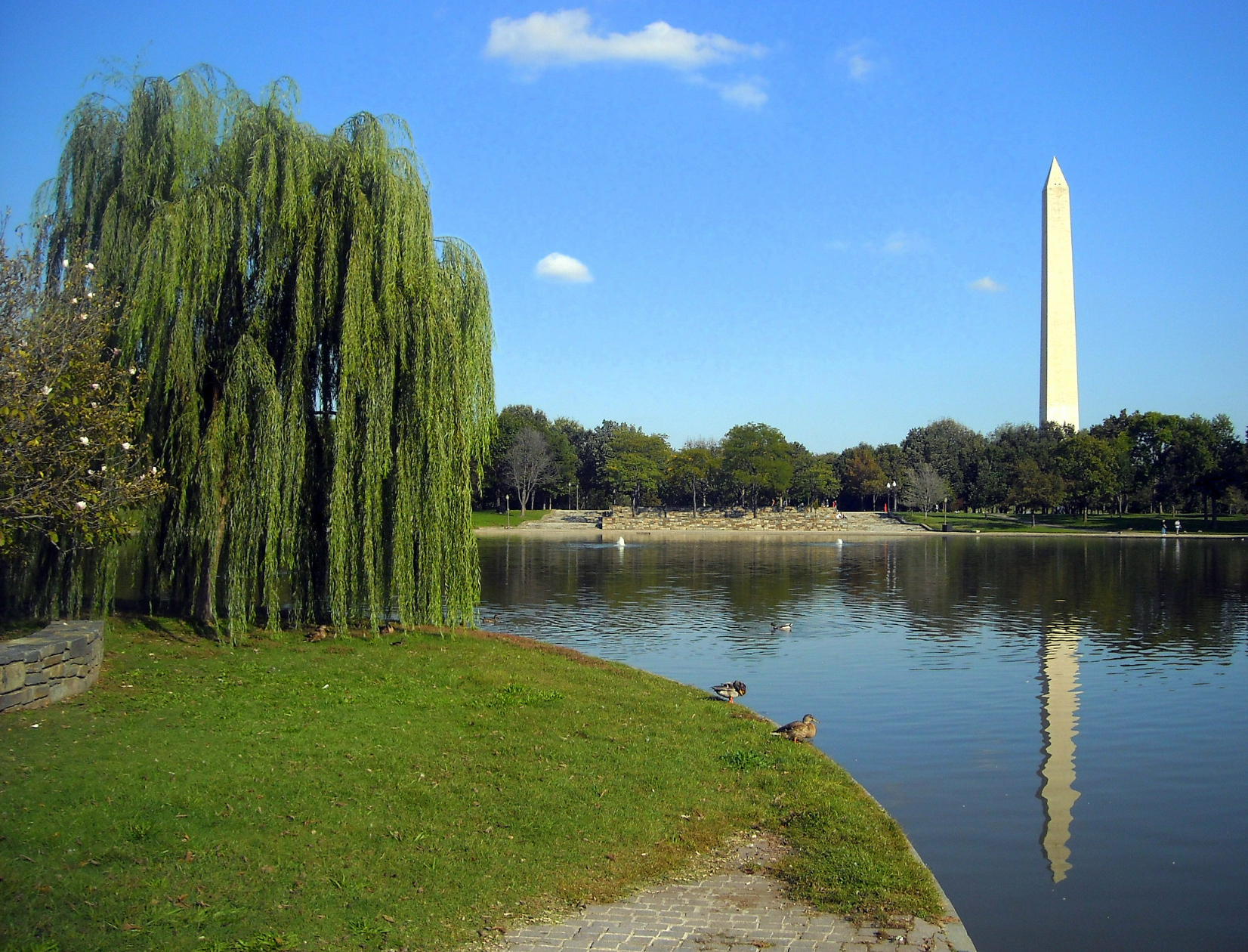
Forget the monuments — the National Mall is for the birds. Constitution Gardens, located near the 19th Street entrance, make for a “50-acre migrant trap” — a grassy location in the middle of an otherwise dense urban area that attracts the migratory birds passing through D.C. Migratory birds to look for in the spring include different sparrows, warblers, and egrets. (In the winter, you can expect to see gulls, geese, and even hawks.)
The area is affectionately known by birders as Goose Poop Island, due to the many Canada geese who call the island home — and who, individually, produce 2-3 pounds of poop a day. In a failed attempt to mitigate the issue (beyond ruining some unassuming tourists’ shoes, the poop can also clog the Reflection Pool’s plumbing system) in 2015 the National Park Service enlisted border collies to displace the geese. It doesn’t seem to have worked, so maybe ditch sandals for a closed-toe option when you make your visit.
Tregaron Conservancy
3100 Macomb Street NW, Washington DC
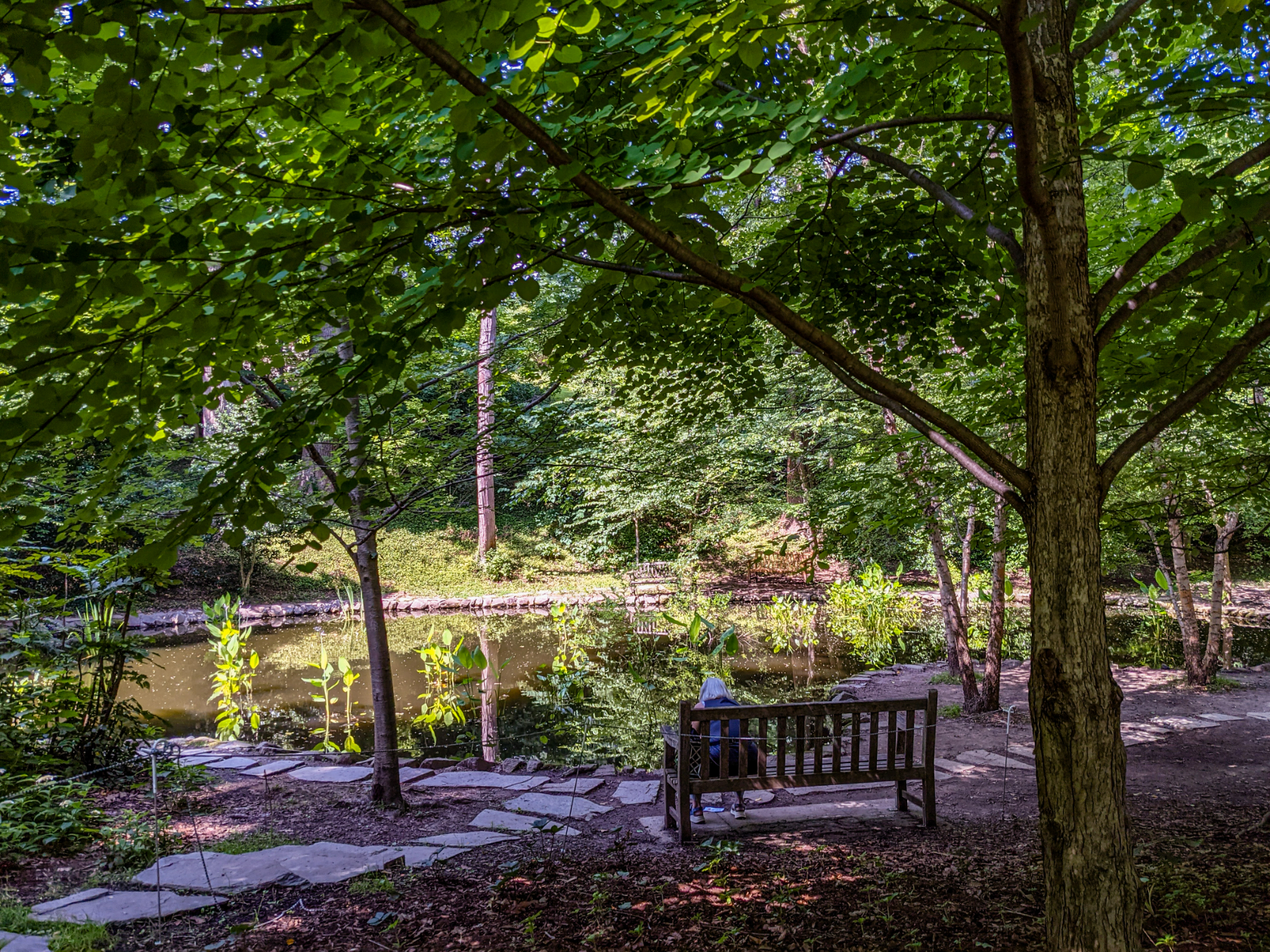
Situated between the Cleveland Park and Woodley Park neighborhoods of Northwest D.C., the 13-acre conservancy features woodland gardens, streams, trails and a lily pond. It’s home to both migratory and resident birds, including the woodpeckers, cardinals, and warblers. You might also spot a Great Horned Owl or an Eastern Screech Owl.
Patuxent Research Refuge
230 Bald Eagle Drive, Laurel, MD (North Tract)
10901 Scarlet Tanager Loop, Laurel, MD (South Tract)
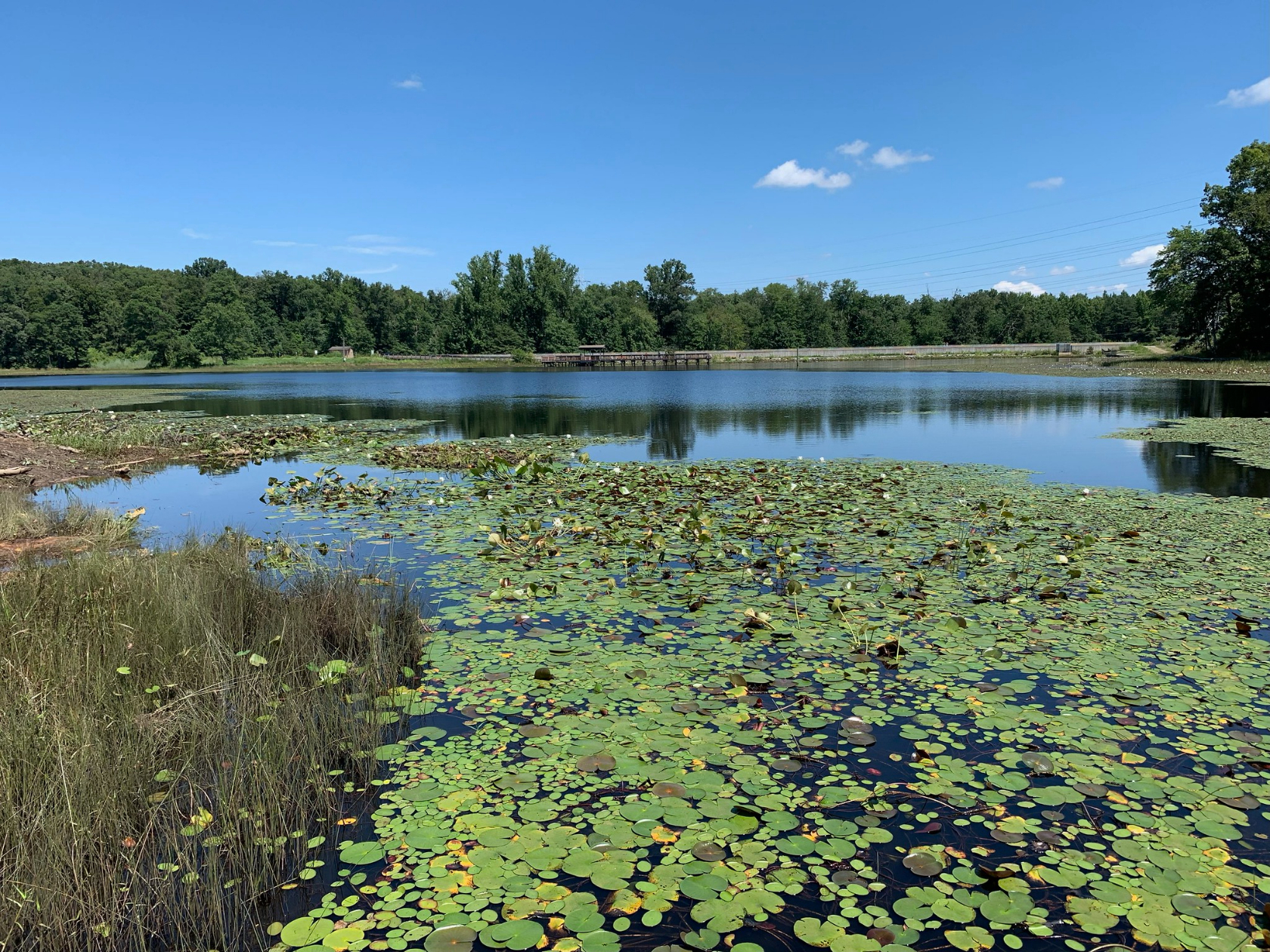
Patuxent Research Refuge is the largest block of forest between D.C. and Baltimore, with two different tracts to explore. Established by Franklin Roosevelt in 1936, it’s one of the country’s only national wildlife refuges established to support wildlife research.
The North Tract in Anne Arundel County includes an eight-mile wildlife loop, with a stop at the Merganser Pond where you can spot waterfowl, shorebirds, songbirds, and a pair of trumpeter swans. The South Tract in Prince George’s County includes a five-mile network of trails, a lake outlook, an auditorium, and a discovery center for kids.
Your home, local park, daily walk!
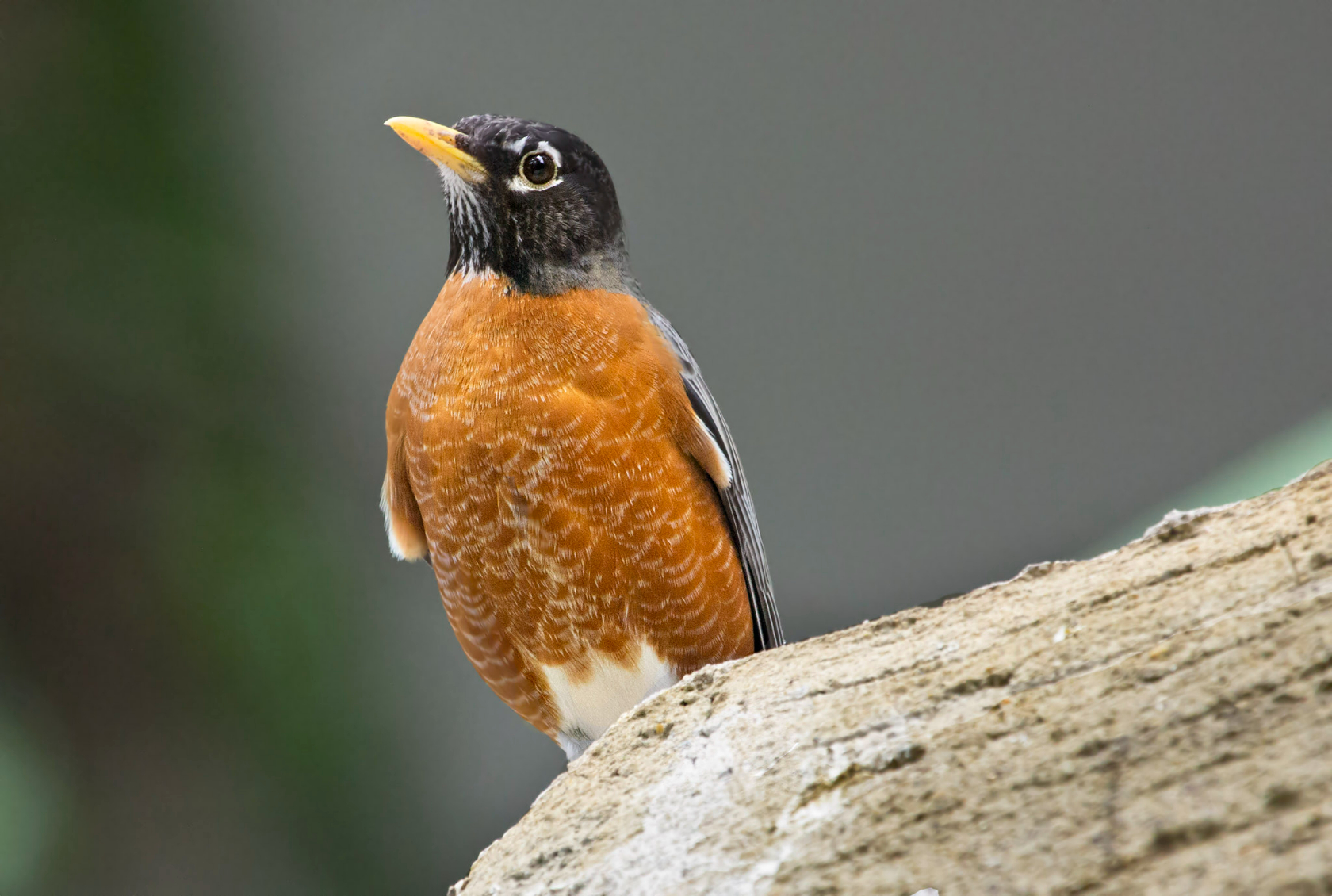
Getting into birding can be overwhelming, but even ornithology amateurs can revel in the birding world without much travel or expertise. D.C.’s urban birds bop about the city, meaning that if you pay attention, you have a good chance of spotting some close to home. First, it’s helpful for beginners to familiarize themselves with the looks and sounds of some of the most common birds to the region, like the Carolina chickadee and tufted titmouse.
Then, all you really need is to keep your eyes and ears open. Eventually, it might become second nature.