 Rebecca Cooper
 Kayla Hewitt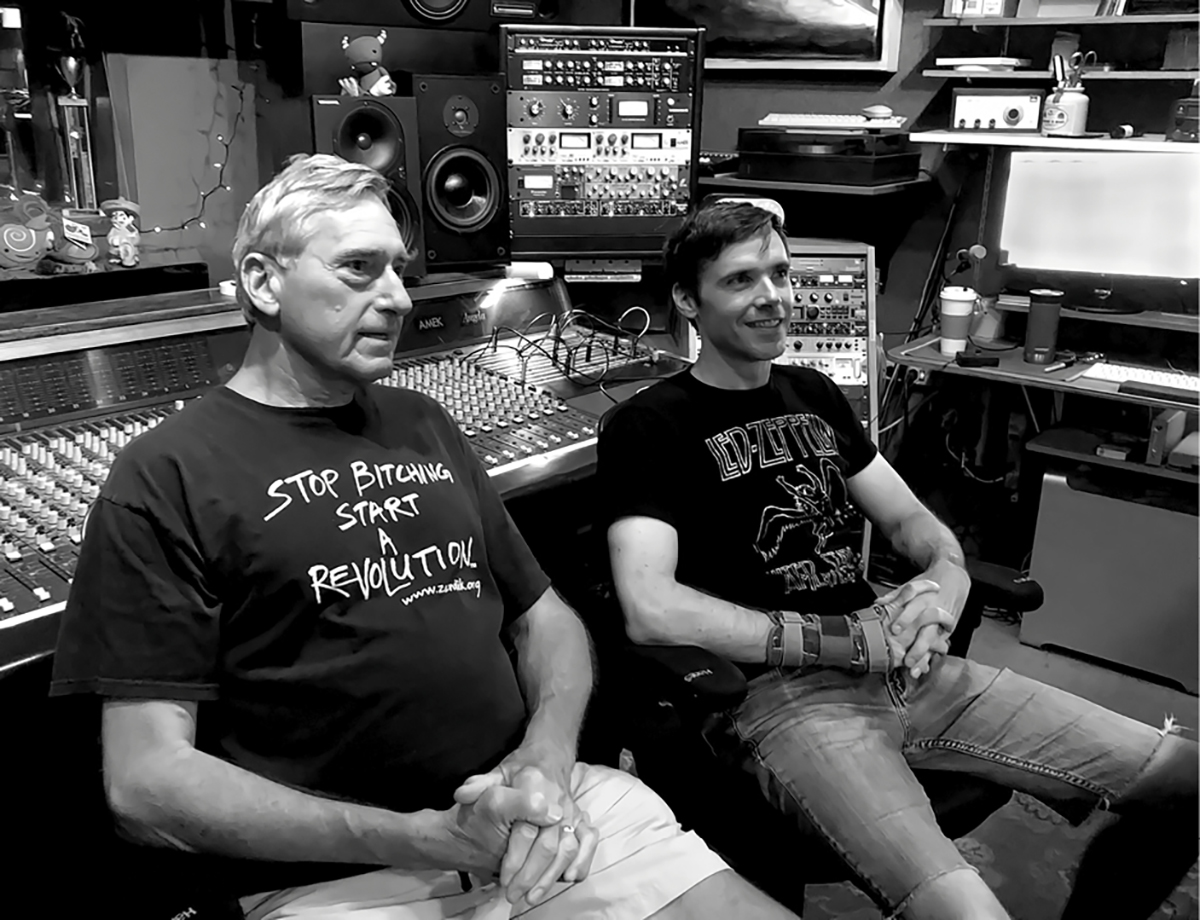
Many in the D.C.-area music scene let out a collective wail when news broke in 2021 that Inner Ear Studio, the Arlington recording studio that helped launch many of the region’s top punk, post-punk, and hardcore bands, would close its doors.
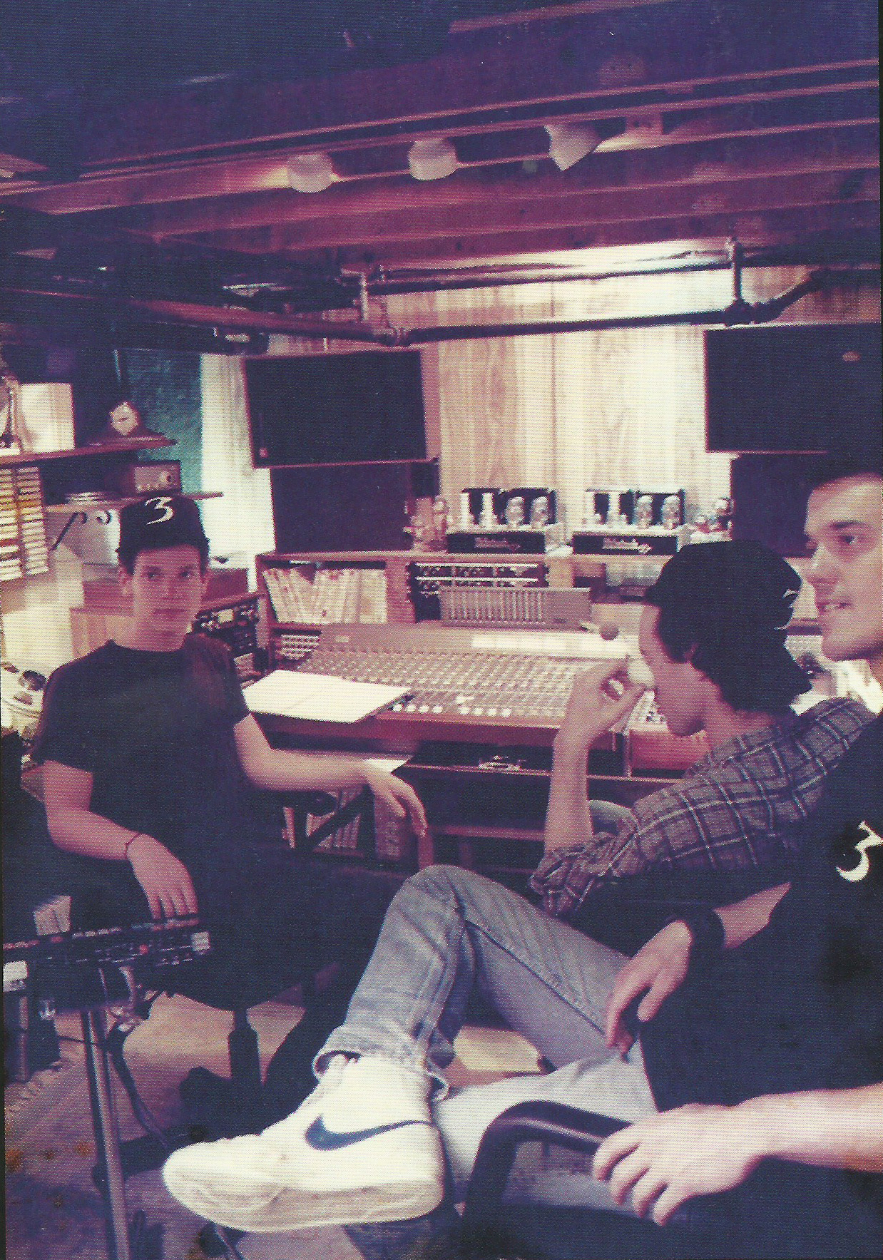
The unassuming studio — at first located in owner Don Zientara’s basement and later in a commercial space near Shirlington — recorded the likes of Bad Brains, Fugazi, Minor Threat, and so many more for the better part of 40 years. Now, that history is at the center of a new coffee table book, full of photographs from recording sessions, and firsthand accounts of Inner Ear — and Zientara himself — from dozens of musicians who made music there.
The book, The Inner Ear of Don Zientara, was released today and also features a lengthy interview with Zientara by John Davis, drummer of former D.C. post-punk band Q and Not U and now the curator of special collections in performing arts (SCPA) in the Michelle Smith Performing Arts Library (MSPAL) at the University of Maryland.
Zientara’s tendency to downplay his role in the final products recorded at Inner Ear comes through in that introduction. Despite pages and pages of testimonials from musicians who note that Zientara helped shape the sound of their records, he eschews much credit, at one point noting: “I may have suggestions about different aspects of it or different phrasing and lyrics or how to sing and what kind of guitars to put on and things like that,” he says. “But it was their baby. So, collaboration is kind of a strong word. I never really felt like a collaborator. A helper more than anything else.”
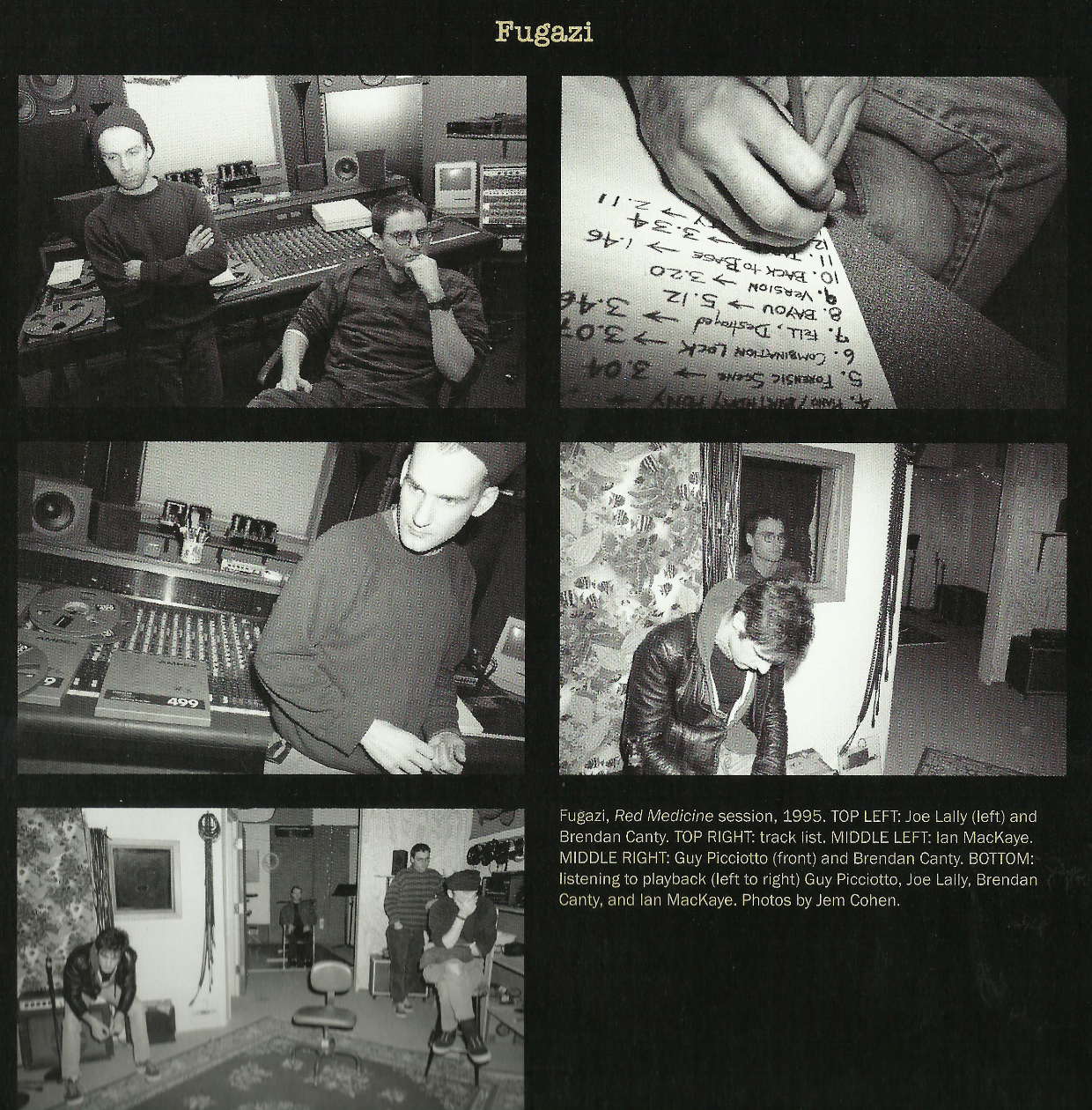

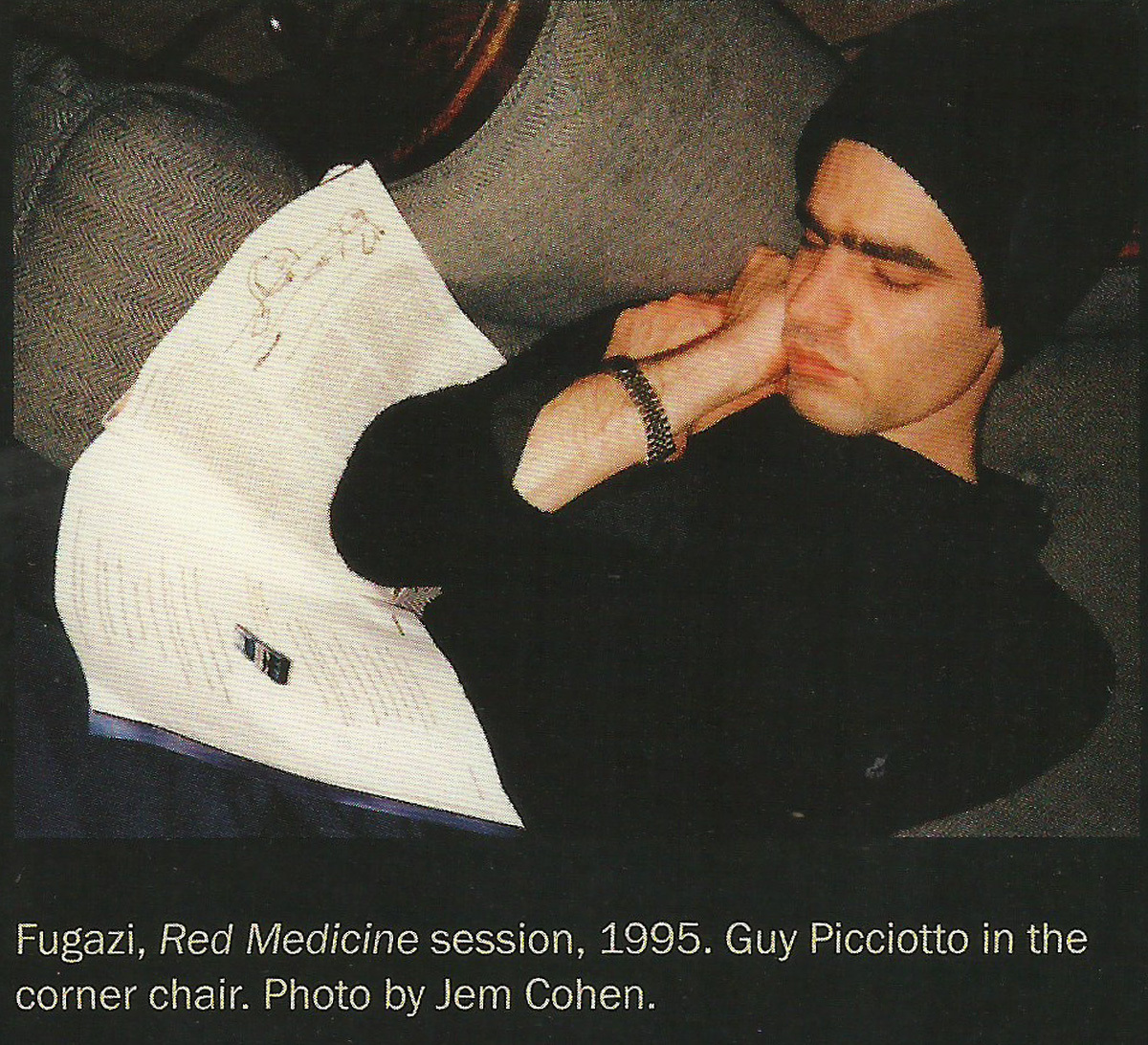
Ian MacKaye, of Minor Threat, Fugazi, and other bands, tells a story that puts Zientara’s “helping” into relief. When Minor Threat commissioned Zientara to do a mix of “Steppin’ Stone,” for In My Eyes, the producer added an intro that sounded like it was being played over a transistor radio. MacKaye recalls being furious and blowing up at Zientara, because he was adamantly opposed to any “studio trickery” at the time.
“It was the fact that it was such an open-and-shut case for him that I think drove me so nuts. He felt it, he heard it, he did it,” MacKaye writes in his essay in Inner Ear. “I was getting a proper schooling about the creative possibilities of sound and it knocked me out of my safe and rudimentary understanding of music art.”
The book also includes funny asides that might otherwise be lost to history: like the fact that during the basement years, the studio was essentially Zientara’s children’s playroom — and sometimes band members would put on the kids’ dress-up clothes for a laugh. Or how one time, Fugazi sound engineer Joey Picuri used the kitchen in the house above the studio to make pasta for Zientara’s daughters, Emily and Kate.
The book was composed by Antonia Tricarico, a photographer and photo archivist who’s known Zientara since 1997, and who also documented D.C.’s punk scene in a previous book, Frame of Mind, Punk Photos and Essays from Washington, D.C. and Beyond, 1997-2017. In addition to assembling hundreds of old photos, she shot the photos in the book that document Inner Ear right before it was dismantled.

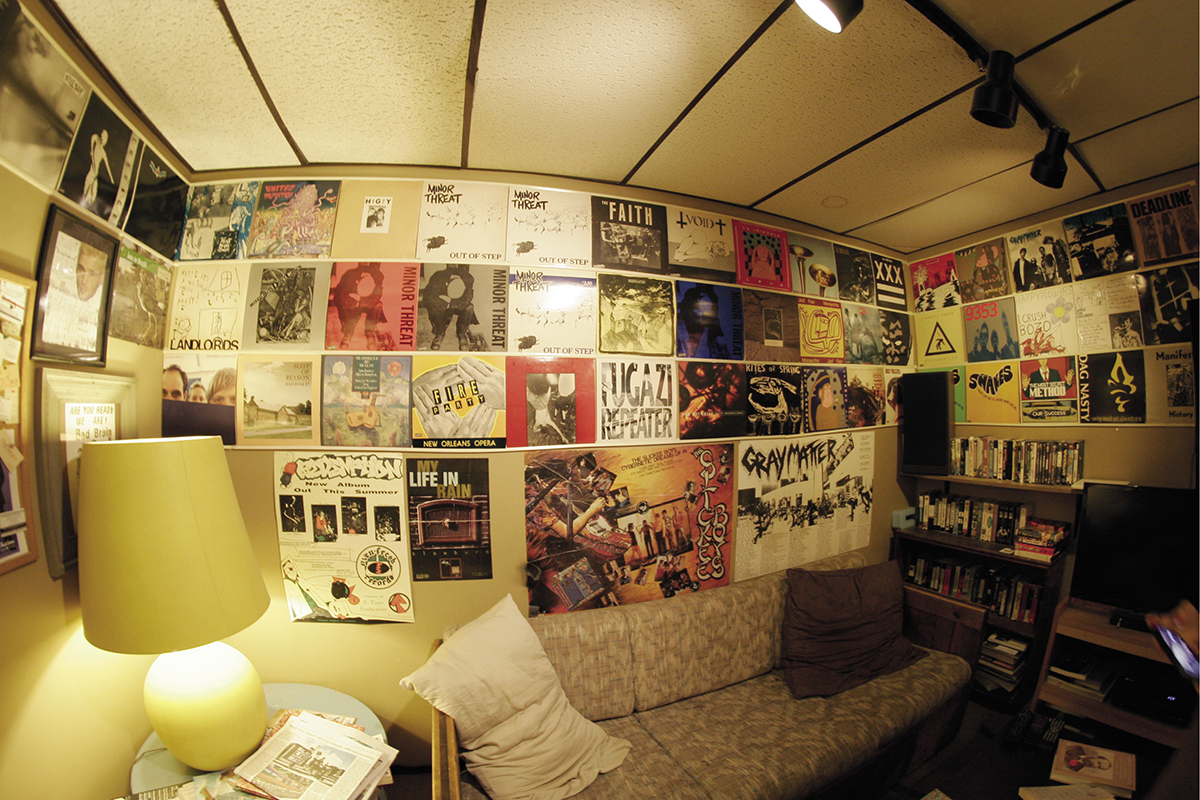
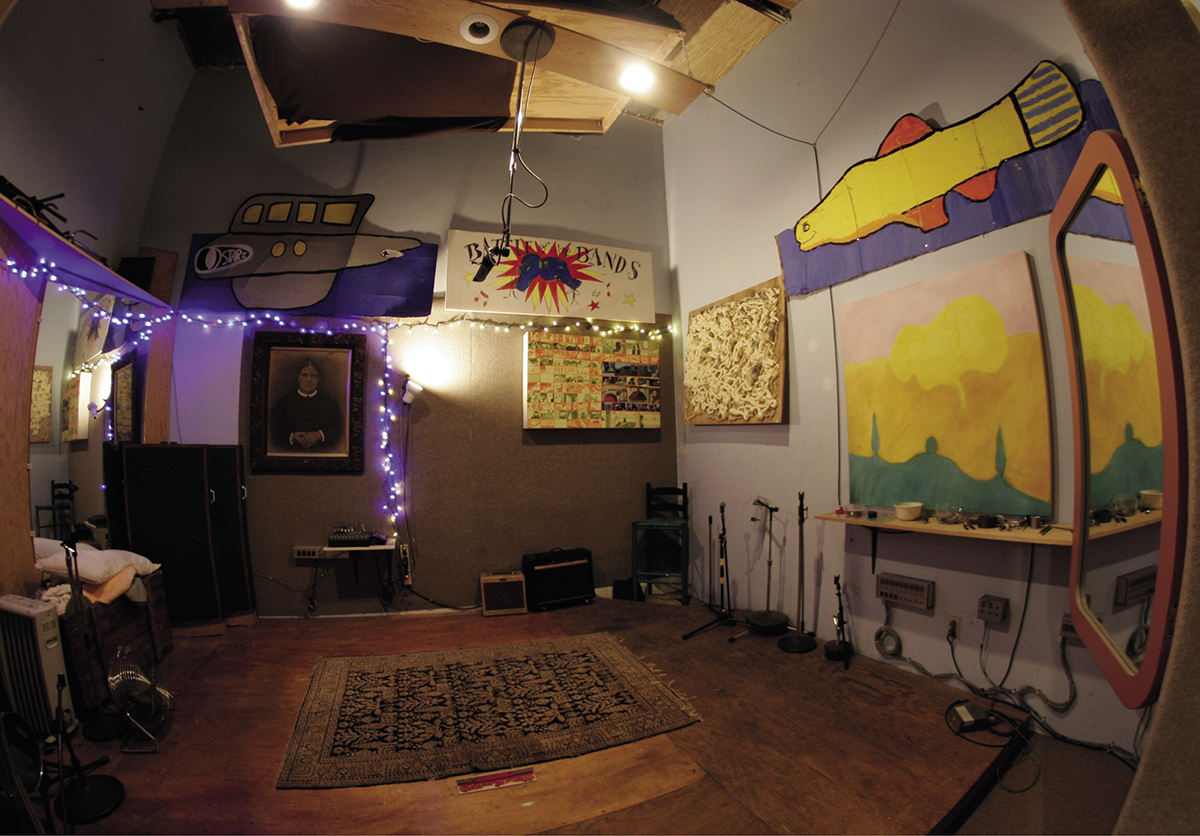

Tricarico had known Zientara for years when he asked her to put together the book as Inner Ear was winding down. She decided to focus on how the musicians, and others, saw Zientara, and went about finding so many artists from over the years to write essays.
“The biggest challenge for me … was to motivate people to talk about the studio, to actually write the essay. Many people are not musicians anymore. Others, they didn’t know how to start,” she says. “And then also, making them dig into their memories. It was kind of tricky because, you know, memories can be pleasant, [but] sometimes they are not pleasant.”
She also felt that hearing from so many musicians who worked with Zientara over the years would be the best way to show how vast an impact he had on the D.C. music scene.
“There is something behind the music. [Don] created a community of people now where, you know, people are just getting together, working toward similar goals, building projects there, you know, instead tearing them down. He just is that kind of person,” Tricarico says. “I want to make sure that these parts, regarding the community that he created, would be in the book. Reading the essays, many, many, musicians wrote about that. And that’s very important.”
Even though Inner Ear moved out of Shirlington almost two years ago, that community lives on — and has gone back to its roots. Zientara once again set up a recording studio in his basement, and though he’s semi-retired, he is still working with bands — and, according to ARLnow, playing some music of his own.