Amanda Michelle Gomez
You might find it hard to recognize Perry’s, given all the changes at the restaurant over the years, if not for the drag queens who dance on top of the bar on Sundays.
The restaurant located in D.C.’s Adams Morgan neighborhood opened in 1984 as a Japanese izakaya, a causal bar that serves saké and snacks. At one point, it traded in raw fish for roast chicken because the co-owner, Saied Azali, thought familiar American dishes would be better for business. For a brief time, in the 1990s, it was also a nightclub.
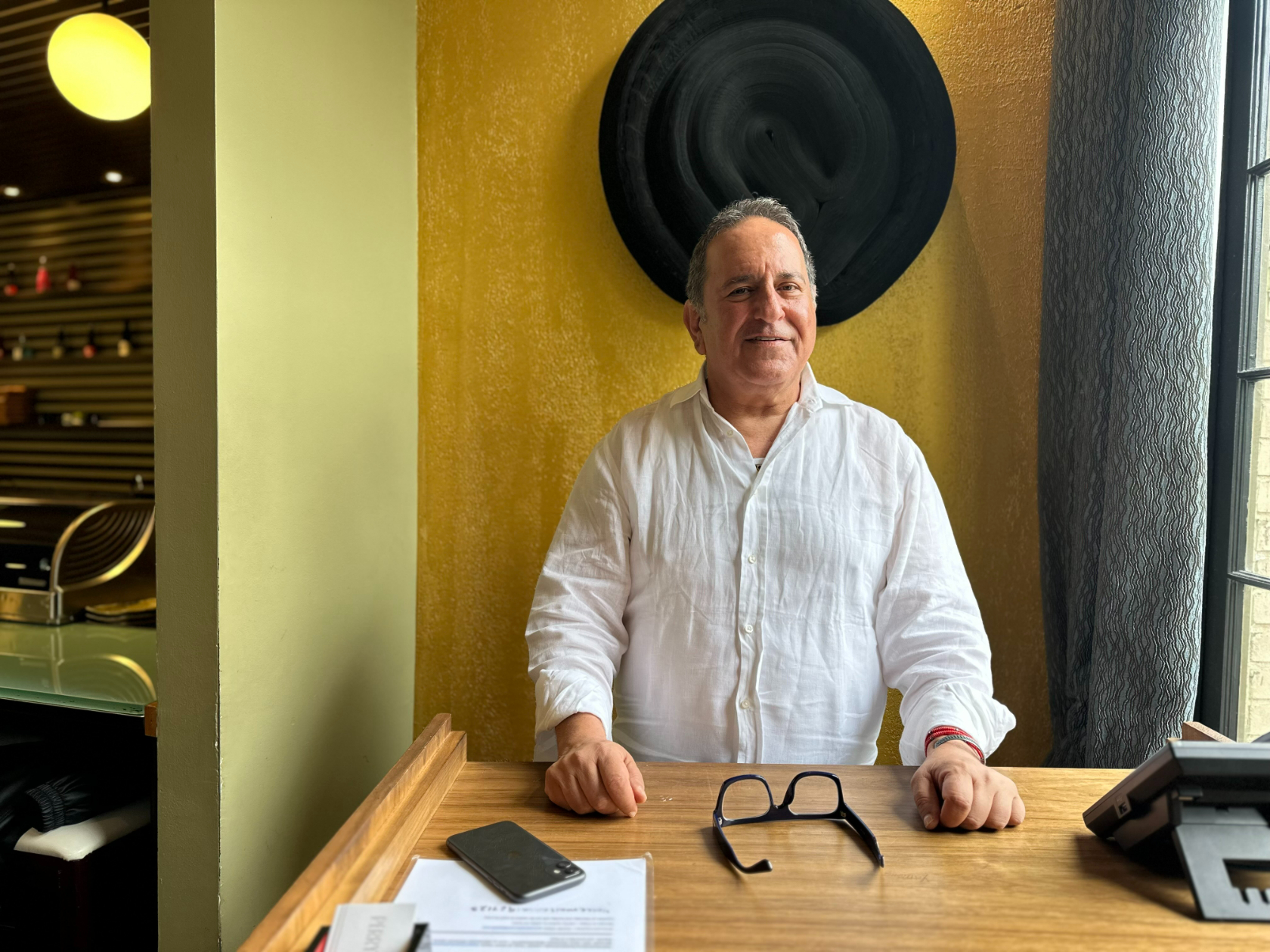
“I’ve changed the food. I’ve changed the people. I’ve changed the chef. I’ve changed the manager. I’ve changed the look of the place,” Azali, 62, says from his restaurant, where he got his start as a server when it first opened. But he won’t touch the weekly drag brunches, he says. “When we started to drag brunch, I never thought it’s going to take off this much.”
Fast forward to present day: Perry’s offers contemporary Japanese food from up-and-coming chef Masako Morishita, as well as sushi a la carte. The exception is Sunday mornings and afternoons, when it hosts the city’s long-running drag brunch and serves an American breakfast food buffet. Next year, the restaurant celebrates its 40th anniversary, and 32 years of drag brunch, a respectable run that Azali credits to knowing what to change and what to keep the same.
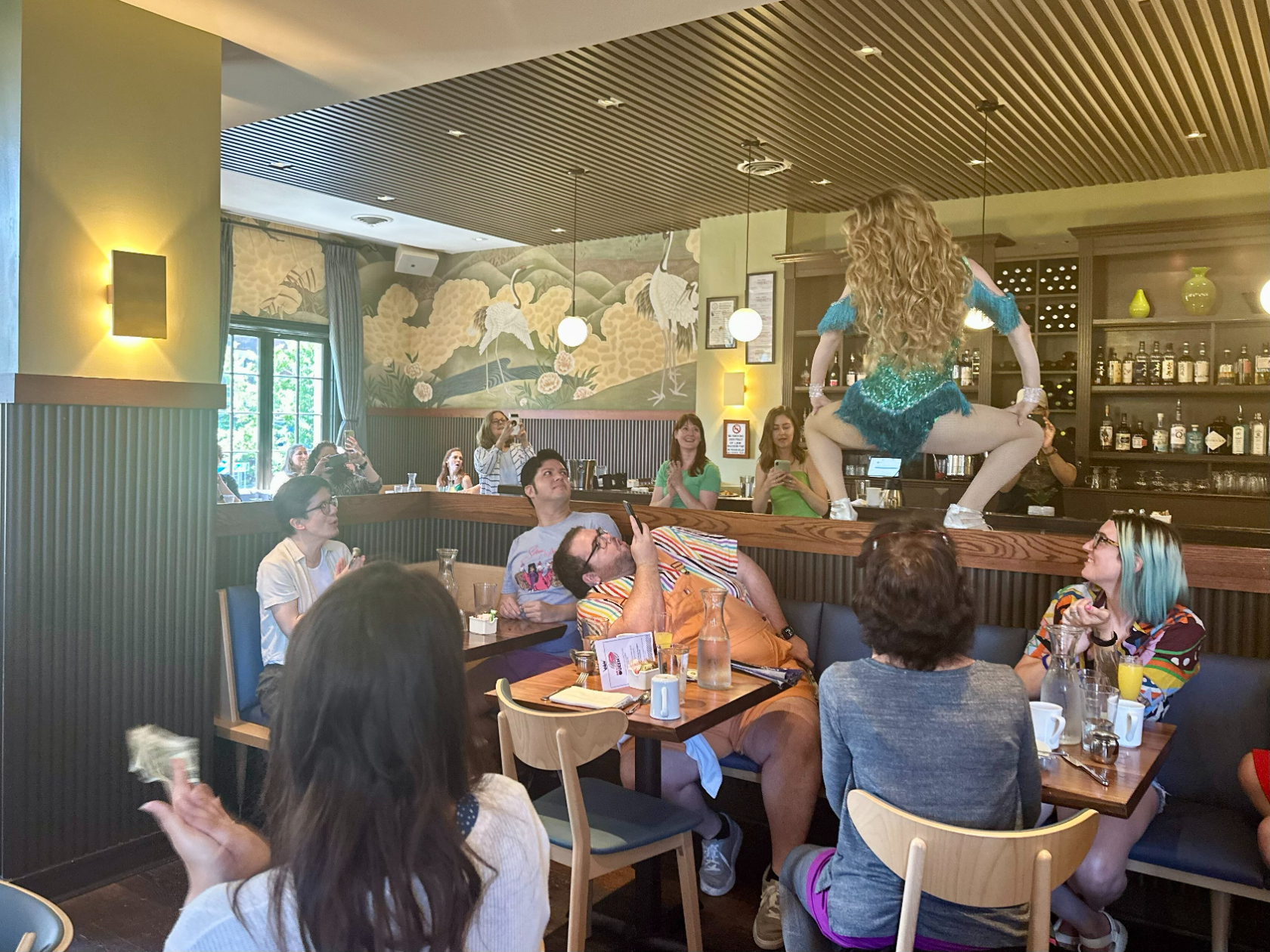
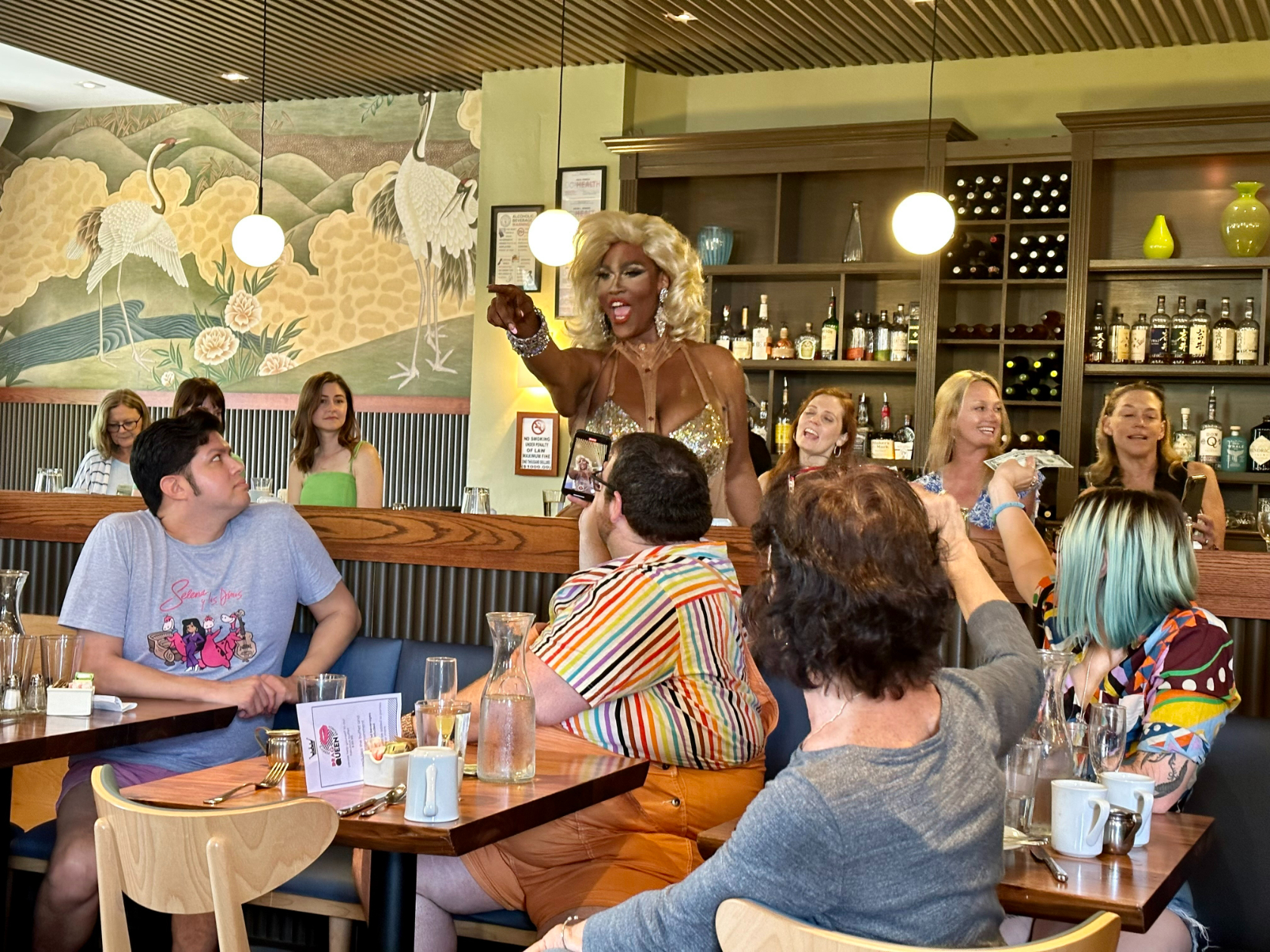
People have come to expect lines at Perry’s on Sundays. Prior to 2015, drag brunch was first come, first served, but now it’s a $40 ticketed event (which goes to the performers, per Azali, and doesn’t cover the cost of food). At a performance this past weekend, the dining room was nearly packed with queer people, straight people, locals and tourists alike.
One of the regulars in the audience on Sunday was Perry Harlow. He first came to Perry’s because he appreciated the irony of attending a drag performance at a restaurant that shares his same name. But it was the drag queens, who lip-sync to catchy pop songs and twerk on the dining room floor, that kept Harlow coming back.
“I’m a typical D.C. suit and tie,” says Harlow. “That’s why I love coming here, because I’m showing up in orange overalls and a bright shirt. And I can just let my hair down and have fun.”
Harlow also values Perry’s for featuring transgender drag performers, given that drag has often centered cis gay men performers. All of Sunday’s drag queens are trans women: India Larelle Houston, Sophia Carrero, Gigi Paris Couture, and Whitney Gucci Goo. Harlow was especially impressed by Larelle Houston, who masterfully emceed the event and made everyone feel welcomed, including by inviting people who were there to celebrate their birthday, wedding, and pregnancy onto the stage to collect their own dollar bills from the audience.
Hailey Love, 15, and Ross Donlan, 16, were also very impressed, having never seen a drag performance in person until Sunday. The teenagers especially loved Gucci Goo’s dip, which is when a performer dramatically drops and strikes a pose on the ground. Their parents, Jennifer Morris and Maura Donlan, who are college friends, say they wanted to introduce them to drag at a local haunt.
Morris, for one, recalls visiting the restaurant for a night out on the rooftop when she used to live in the neighborhood in the late 1990s.
“Given that it’s Pride Month, we really wanted to come and celebrate the queens here,” says Donlan. “Perry’s is, of course, a Washington institution.”
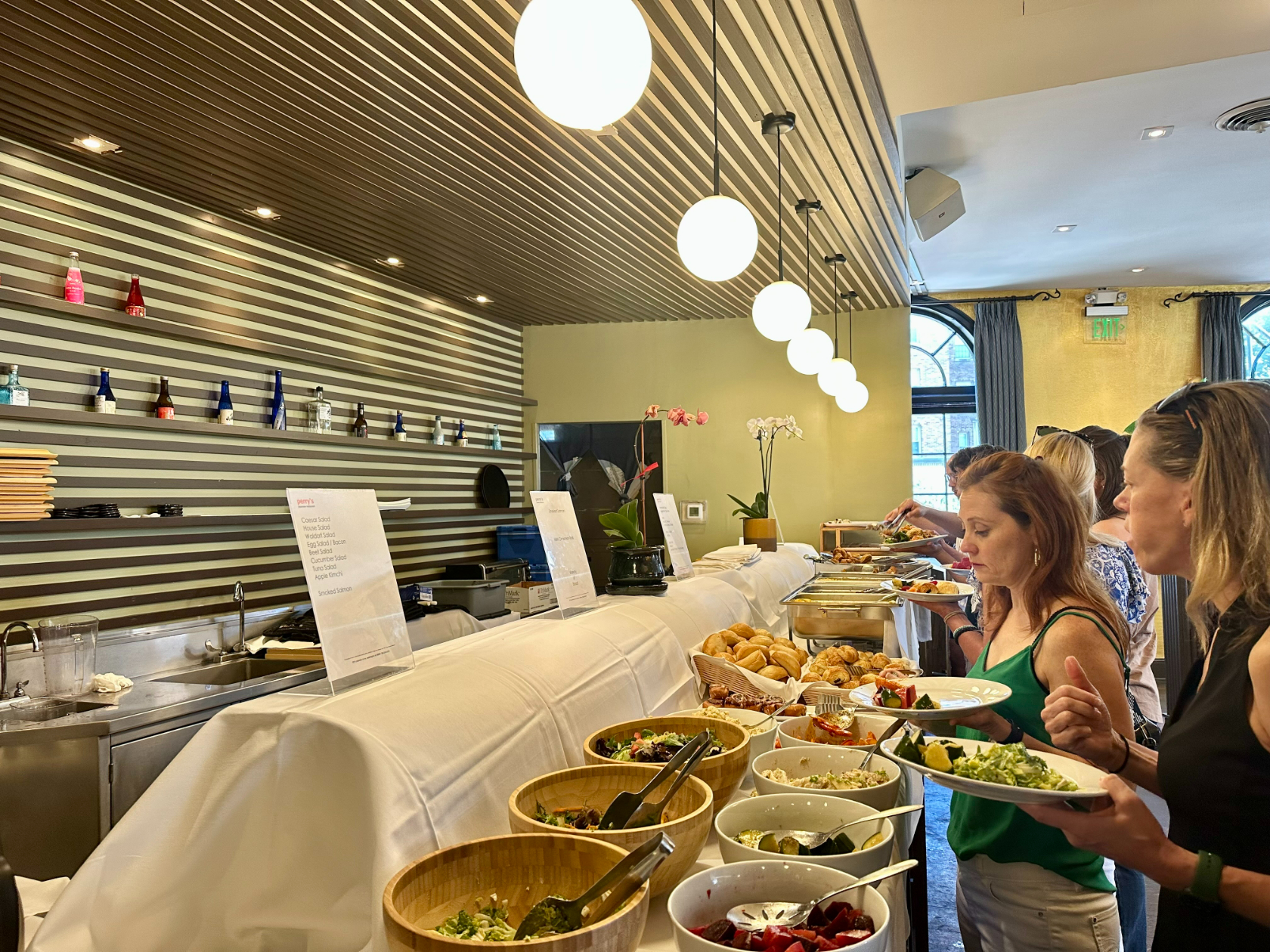
Perry’s survival is quite a feat, given the high closure rate for restaurants. Named after U.S. Navy officer Matthew C. Perry, who’s credited with helping to forge a trade relationship between Japan and Western countries, the restaurant’s original owner was Ted Kaneko, who owned a few Japanese restaurants in D.C. around that time. Azali was promoted from server to manager just a few years after it opened, and by 2000, Kaneko sold Perry’s to Azali and his business partner, Hans Ravesteijn.
The owners have faced a lot of challenges over the years, one of the biggest being the pandemic, which decimated the restaurant industry. (Azali’s other spot, Mintwood Place, closed last year after a decade-long run due in part to pandemic pressures.) Azali and Ravesteijn also do not own the building Perry’s is in, which means periodically coming to terms on a new lease. Even though they have a good relationship with the landlord, Azali says they wanted to purchase it because ownership could bring more stability.
One of the earliest unforeseen challenges came in 1991, when people rioted over police brutality in neighboring Mt. Pleasant and city officials imposed a curfew, according to Azali. He says the events led to a decline in foot traffic. To get customers to return, he organized Perry’s first drag show that year, inspired by shows he saw in New York City. At that time, in D.C., drag was all but exclusive to gay nightlife.
For Azali, who identifies as straight, to host a drag brunch at his restaurant was groundbreaking. The shows weren’t well attended at first because their start coincided with the AIDS epidemic, a time when discrimination against the LGBTQ community was rampant. But the restaurant stayed with it, and eventually drag brunch became a great success, says Azali, which he credits to the performers, whose high energy is contagious; and location, which is on the second floor and is more private.
He gets emotional talking about the families who come, particularly the parents who bring their kids that might be questioning their own sexual or gender identities. Azali, who is originally from Iran, can’t help but think about how homosexuality is illegal in his home country.
“People judging other people and you can’t. We are born the way we were born,” says Azali through tears.
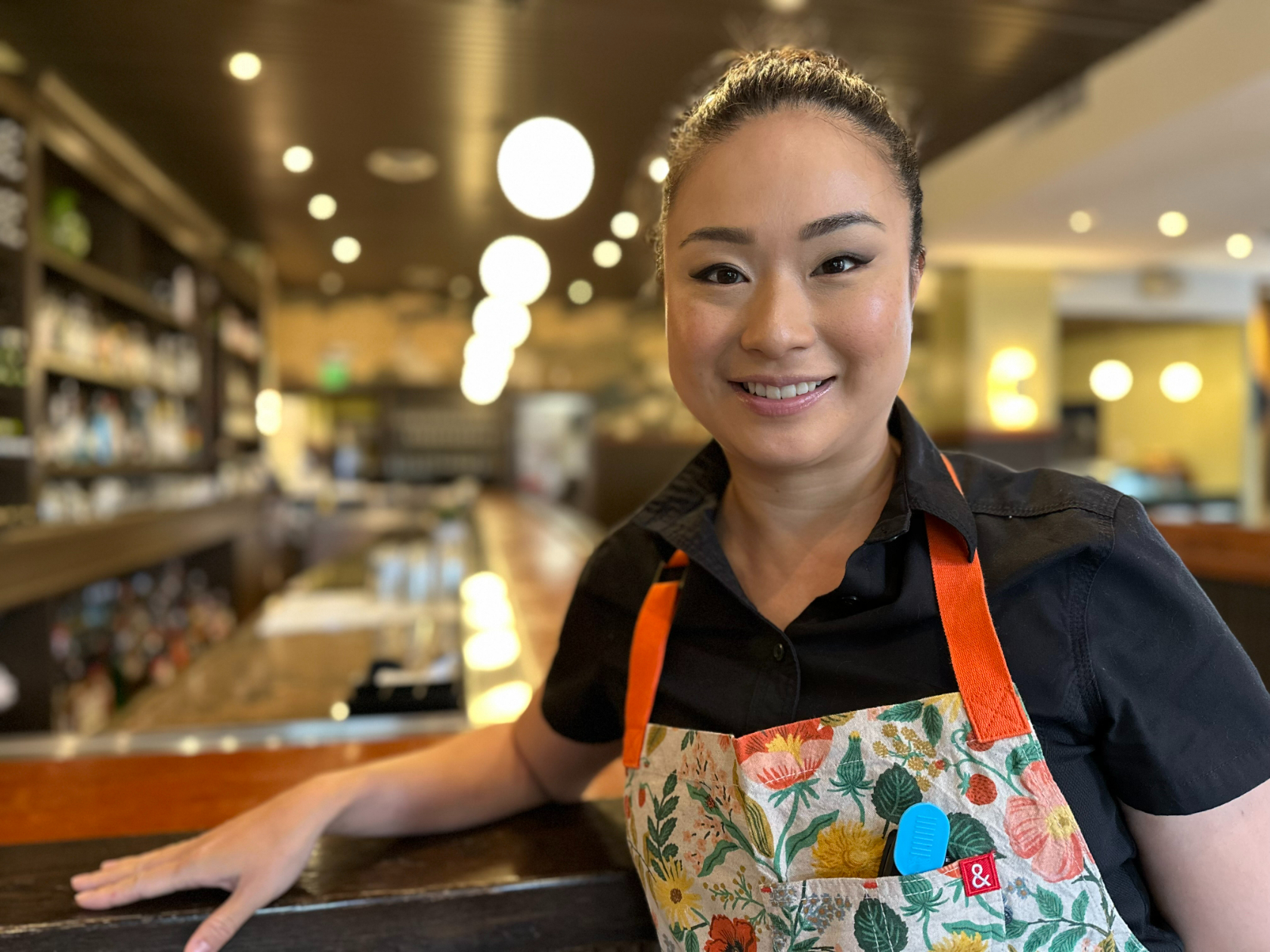
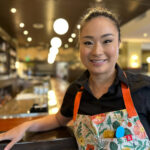
Learning from his experiences with the drag brunch, Azali ushered another change to help his business recover, this time from the pandemic. He hired a new executive chef in Morishita, a Kobe, Japan native who got her start in the local scene with her own food pop-up, Otabe, and then helmed the kitchen at popular wine bar, Maxwell Park. Morishita is the first Japanese woman to lead Perry’s kitchen in its nearly 40-year history.
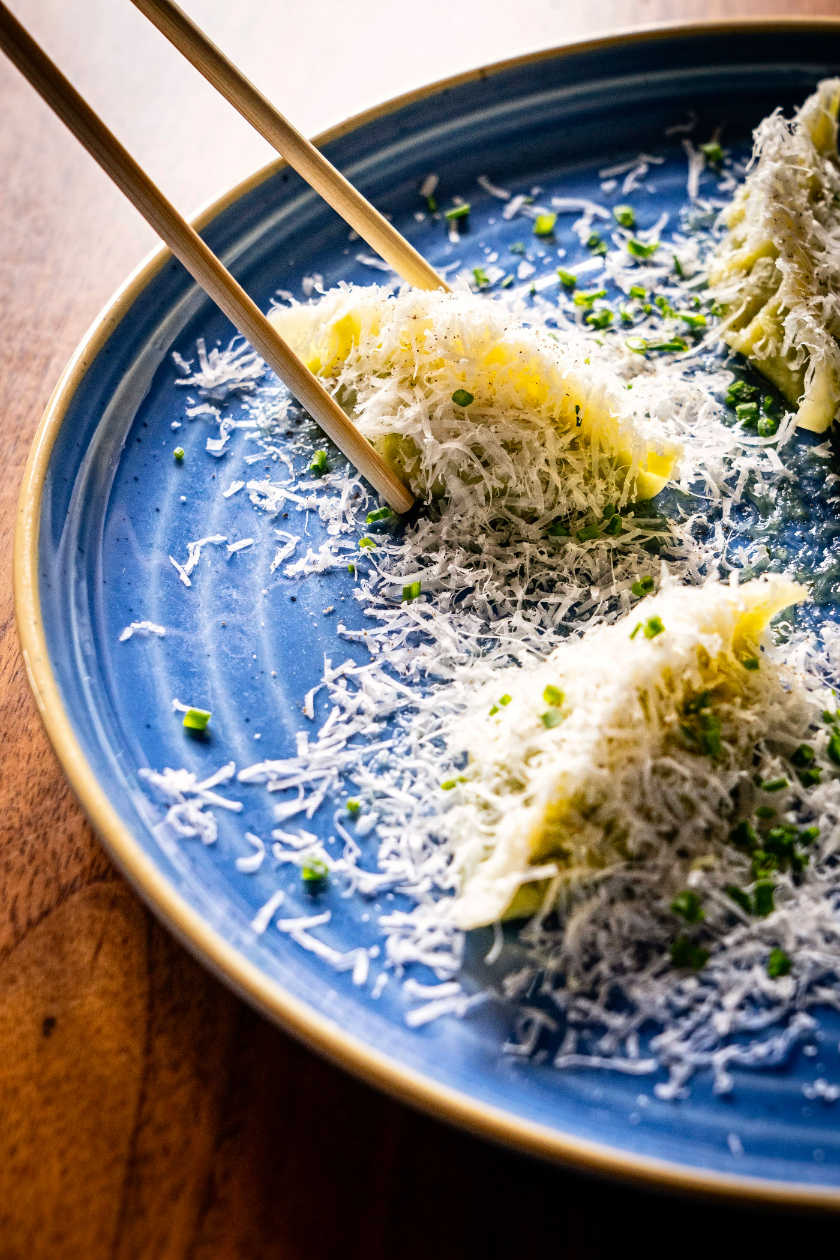
Azali admits to being nervous by Morishita’s revamp of the restaurant’s menu. She describes her cooking as “modern Japanese comfort food.” One of her signature dishes is a garlic and edamame dumpling that’s topped with parmesan cheese. Morishita says the cheese makes the dish more playful, but Azali says he didn’t understand it.
“That’s Italian! So I was freaking out,” he says. “I was very scared when she came in here because she wanted to change things. And my business partner had said, ‘Let her do what she wants to do. She’s a new generation.’ It’s the truth. I’m the old generation. I don’t know everything. The more I get older, the less I know.”
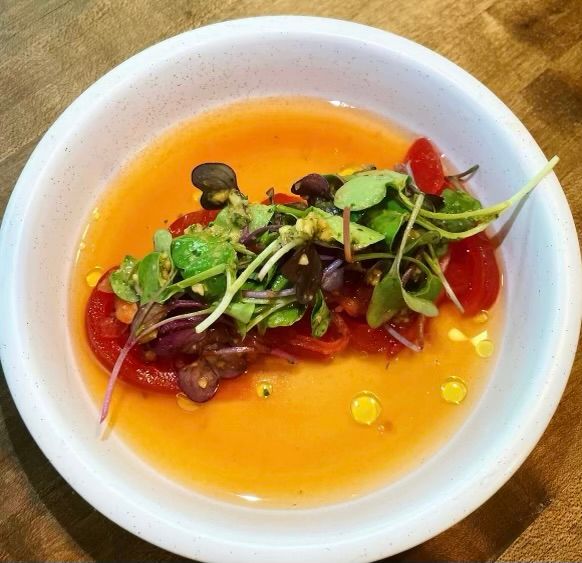
Morishita says she likes to change the restaurant’s specials every week, usually based on a recipe that comes to her at night. One that she’s especially excited to add to the menu is a tomato salad, which is made from compressed tomatoes with dashi, sake, mirin, among other sweet, acidic ingredients. It’s served with pea shoots and pickled red onions.
She gets her inspiration from her mom, who is also a chef, at her family’s nearly 100-year old restaurant in Japan. Despite her background, Morishita was still nervous when she started at Perry’s last year.
“It was a little bit scary, to be honest. Because it has so much history,” she tells DCist/WAMU. “This restaurant has been successful without, like, me coming in.”
But her entrance has excited many people, including Washington Post food critic Tom Sietsema, who gave her and the restaurant a rave review in May and recommended Perry’s as one of his favorite places to eat at the moment.
Morishita is humbled by the positive feedback so far. She says she is also inspired by the Perry’s kitchen staff, half of whom are women and all of whom are immigrants. She says she hopes to inspire other immigrant women to join the restaurant industry. She feels she has to succeed for them.
“Because if I can do it, I can encourage other women like me to follow their dreams, to be successful,” she says.
Azali is already in awe of Morishita, and could even see her taking over Perry’s as owner when he’s gone. (He has no kids to bequeath it to.) Morishita, meanwhile, is focused on the food, so that Perry’s menu gets as much fanfare as the drag queens who perform on Sundays. Morishita has time — the owner hopes Perry’s has many more years ahead of it.
This is part of a new food series on DCist called Never Gets Old, where we tell the stories of longtime restaurants and other establishments around the D.C. region that have left an indelible mark by being a beloved neighborhood spot, serving up comforting meals and hospitality, or providing a much-needed community hub. Have a favorite in your neighborhood you want to nominate? Email us and tell us what it is and why you love it.