 Sarah Y. Kim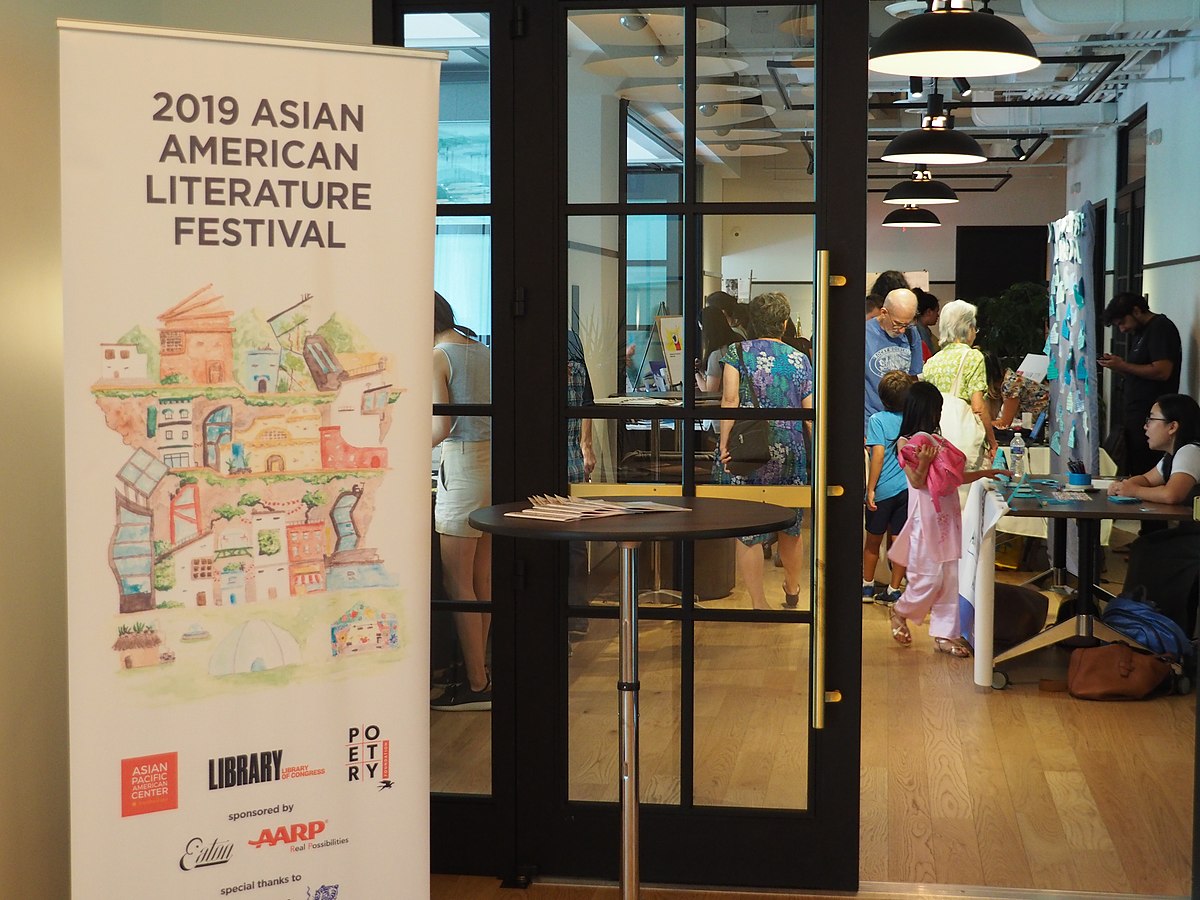
Asian American writers in the D.C. region are organizing a smaller-scale version of the Asian American Literature Festival after the Smithsonian abruptly canceled it earlier this month.
Ghosts & Spirits: A Resurrected Asian American Lit Fest Event will be held at Loyalty Bookstores in Petworth on Aug. 6. Authors from across the country will share their work, though fewer will be able to attend since the Smithsonian withdrew its financial support. Local bartender Chantal Tseng, a co-host of the event, will serve a cocktail based on the readings.
The AALF festival was supposed to be hosted by Smithsonian Asian Pacific American Center (APAC) Aug. 4-6 at the Eaton hotel in downtown D.C. The festival started in 2017 and was meant to be bi-annual, and this year’s event would have been third ever and the the first to take place since 2019, following the COVID pandemic that helped trigger a rise in anti-Asian hate.
Kat Chow, a host of the replacement event at Loyalty Books and author of the memoir Seeing Ghosts, says it felt especially important to gather this year.
“There was this sense that this potential healing was really taken away from people,” Chow says. “This is a form of protest now, and care, to resurrect this event.”
The Smithsonian cited concerns about the planning and logistics of the even in their decision to cancel, the Washington Post reported. But Poet Regie Cabico says the Smithsonian has not offered any “real explanation.”
“You just don’t push a button to stop a festival. You really need to have a conversation,” Cabico says. But there was “none of that. It’s a devastation to the Asian American community.”
Kevin Gover, the Smithsonian’s under secretary for museums and culture, apologized last week for the “abrupt way in which news of the postponement was delivered” but said the planning “did not meet Smithsonian expectations for hosting a successful in-person event, including the completion of key logistical details such as lodging and agendas.” (The Smithsonian produces and funds, but does not own or organize the festival.)
“We hear your confusion, frustration and hurt, loud and clear. We want to stress that this hard decision was made in the best interest of the festival and its participants and had nothing to do with content,” Gover said in a statement. “The Smithsonian remains committed to sharing the histories and narratives of all Americans, including those in the Asian American, Native Hawaiian, and Pacific Islander and LGBTQ communities.”
Gover said the Smithsonian is exploring other options, such as a virtual format for this year or a larger public event next year.
Those statements have failed to appease organizers, who have been asking the public to sign an open letter to the Smithsonian. The letter calls for retractions of public statements faulting event organizers for the cancellation and “real explanation” of the cancellation. It also calls for the resignation of Yao-Fen You, acting director of the Asian Pacific American Center.
Cabico says he felt like the cancellation was “censorship.” While the Smithsonian says content was not a factor, he wonders whether the inclusion of work by queer writers played a role. The repercussions of canceling have been “severe,” he says, “financially as well as spiritually and emotionally.”
Cabico says they were “confident” and “ready to go” with the festival as planned. Instead, they’ve spent the past two weeks putting together the replacement event and looking for emergency travel stipends.
“I mean, it is resilient. It is joyous for us to create a space for writers,” Cabico says. “But then there is in the back of our head — this uphill battle just to be us. We are fighting this battle just to be us.”
It’s unclear at this time what future festivals will look like and whether the Smithsonian will be involved. Chow says there’s still a need to gather in-person and support each other’s work. Many writers felt “isolated” throughout the COVID-19 pandemic, she says,
“Right now in the world of Asian-American literature and Asian-American words, there is this need and desire for community,” Chow says. “I think there’s a sense of displacement in the community I’m sensing and I myself am feeling.”
Those interested in attending the event can RSVP for free here, but organizers are encouraging people to donate. There will also be other related events that weekend (details forthcoming), including an opening celebration at the K Street Busboys and Poets on Friday, Aug. 4.