 Jordan Pascale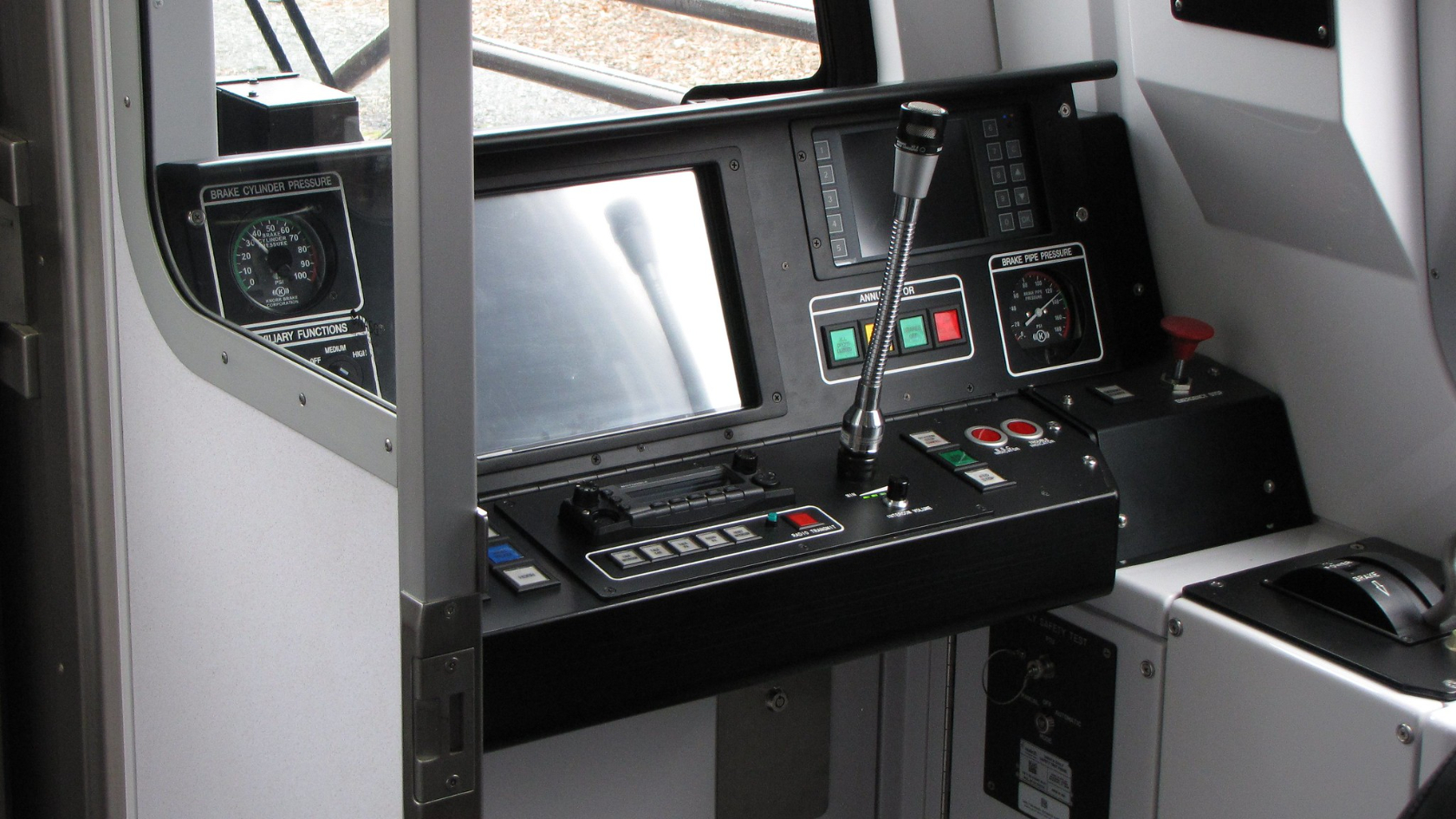
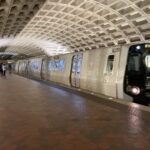
Metro isn’t as close to returning its trains to automatic operation as it hoped.
The Washington Metrorail Safety Commission, the third-party oversight body for Metro, said it observed things that could “result in a catastrophe if not addressed.” For example, the report says some trains were given speed commands above the intended speed limit and some sped through stations at full speed without stopping.
Paul Smith, who oversees signal work for WMSC, says Metro wasn’t following industry best practices in attempting to bring Automatic Train Operation back. However, he said Metro is working to come into compliance.
The WMSC must concur that WMATA is ready to bring back ATO before Metro is allowed to introduce it for public use. The transit agency has been doing overnight testing,
Metro turned off ATO after a deadly crash in 2009, even though it was determined that the ATO system itself was not responsible. WMATA says the system operates trains more smoothly and opens doors more quickly. They want to bring the mode back by the end of the year, but now it appears that the deadline could be in question.
Metro didn’t respond to a request for an updated timeline but did send a statement noting they regularly work with the WMSC to review progress and get feedback.
“These processes involve ongoing oversight by the WMSC to ensure successful implementation, preempting issues before they become a safety concern,” a spokesperson said in an emailed statement. “When issues are identified, Metro conducts a thorough investigation, and appropriate actions are taken to clarify and reinforce requirements for compliance.
At a board meeting earlier this year, it appeared that things were more or less on track to bring the system back to all lines by the end of the year. Metro staff told the board that training, not the system itself, was the main holdback. In June, Metro General Manager Randy Clarke highlighted a good night of testing ATO on Twitter. A video clip showed the system to be working.
https://twitter.com/wmataGM/status/1669737593573965826
The Safety Commission also found more instances of operators using ATO without permission. Metro officials say they’ve updated procedures for when this unapproved usage is discovered, including sending a manager out to investigate and documenting the problem for the WMSC.
Automatic Train Operation issues were just one of the concerns voiced Tuesday. Other safety reports had commissioners saying things like “it is so unacceptable that they would allow this to happen,” and “If I was a Metro manager, I’d be embarrassed.”
Commission staff highlighted the final report about an operator who was driving a train drunk, with a .08 blood alcohol content level. The report noted that a supervisor on board didn’t address the erratic operating, including missing platforms by 30 feet or more. At one point, the operator fell asleep between stations and stopped for nearly 40 minutes. The commission says Metro didn’t properly check the operator who had come back from a break. New processes designed to prevent future similar instances are now in place.
The Safety Commission also highlighted five 7000-series train cars that were recently pulled out of service because their wheels had moved, an issue that contributed to an Oct. 2021 derailment. Metro is aiming to replace all the wheelsets on the trains in the coming years.
Other reports included poor training, allowing operators to drive trains without proper training, instances of running red lights, and a training exercise that had issues.
In February, a new operator improperly moved a train backward without permission during a smoke event. The movement, without proper authorization, could lead to a crash. Investigators found that the operator had failed a test and didn’t retrain, but was rather allowed to retake the test the day of the incident. He passed and was allowed to continue work.
Commissioner Robert Lauby, a former Chief Safety Officer for the Federal Railroad Administration, was frustrated with reports of poor safety certification compliance, an issue that took down former General Manager Paul Wiedefeld.
“After the history of problems with certification, I would expect that this would be one area that they would get right,” Lauby said. “Apparently they’re still not paying proper attention to this.”
Commissioner Debra Farrar-Dyke said it is “so unacceptable that they would allow this to happen” in regard to the training issue.
Lauby was also dismayed by how many things went wrong during a simulated emergency.
He noted participants weren’t briefed well, participants did not alert the radio traffic that this was an exercise, passengers who weren’t supposed to be in the station got into the station and a supervisor was on the tracks with power energized.
“If I were a manager on Washington Metro, from the first line manager right to the very top, I would be extremely embarrassed over this type of thing going on on their property,” Lauby said. “This is the basic safety process that Washington Metro should be able to pull off without all these issues.”