 Kayla Hewitt
 Morgan Baskin
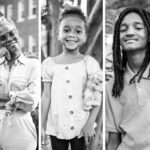
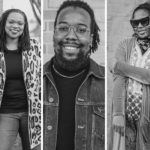
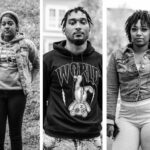
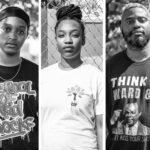
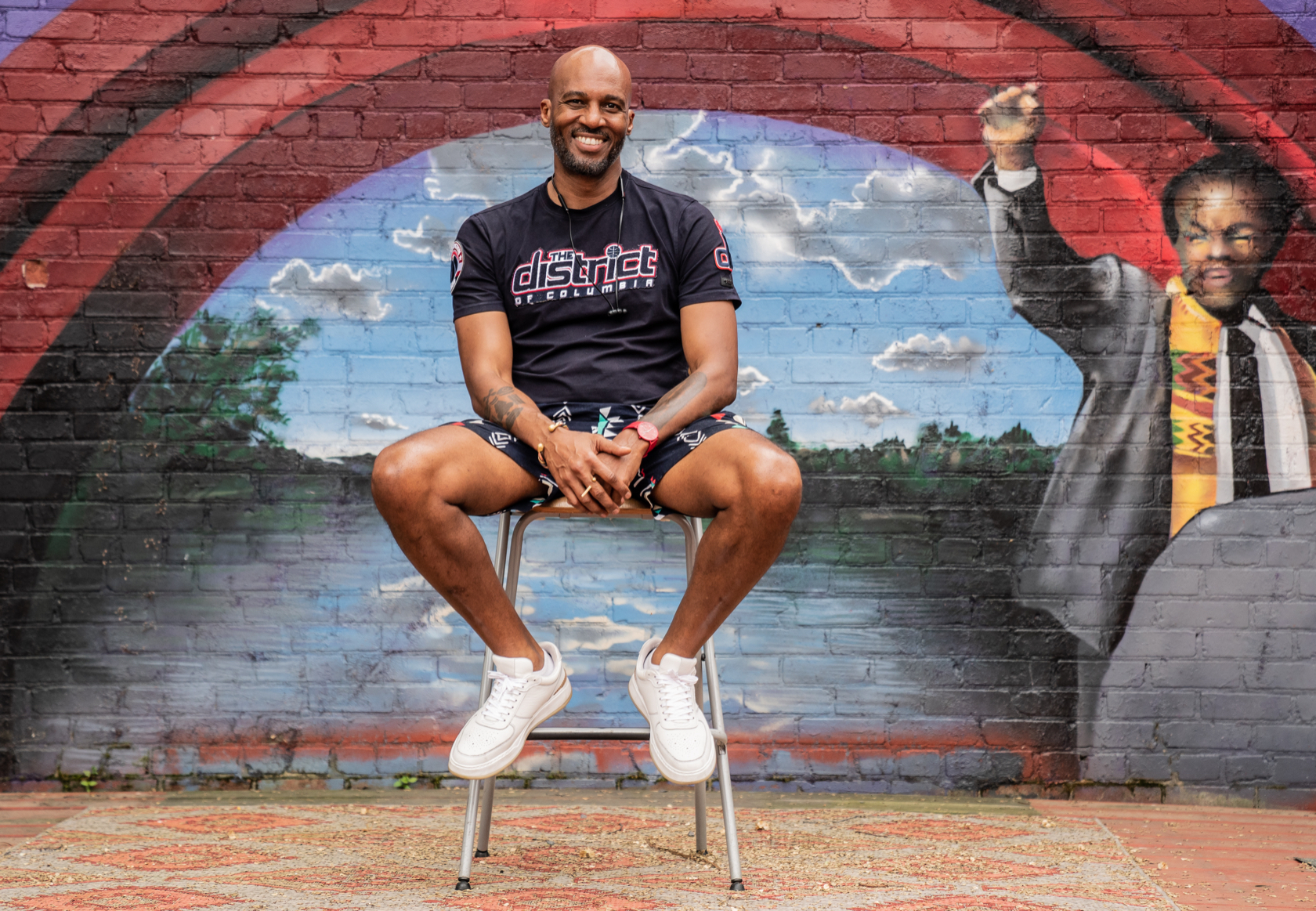
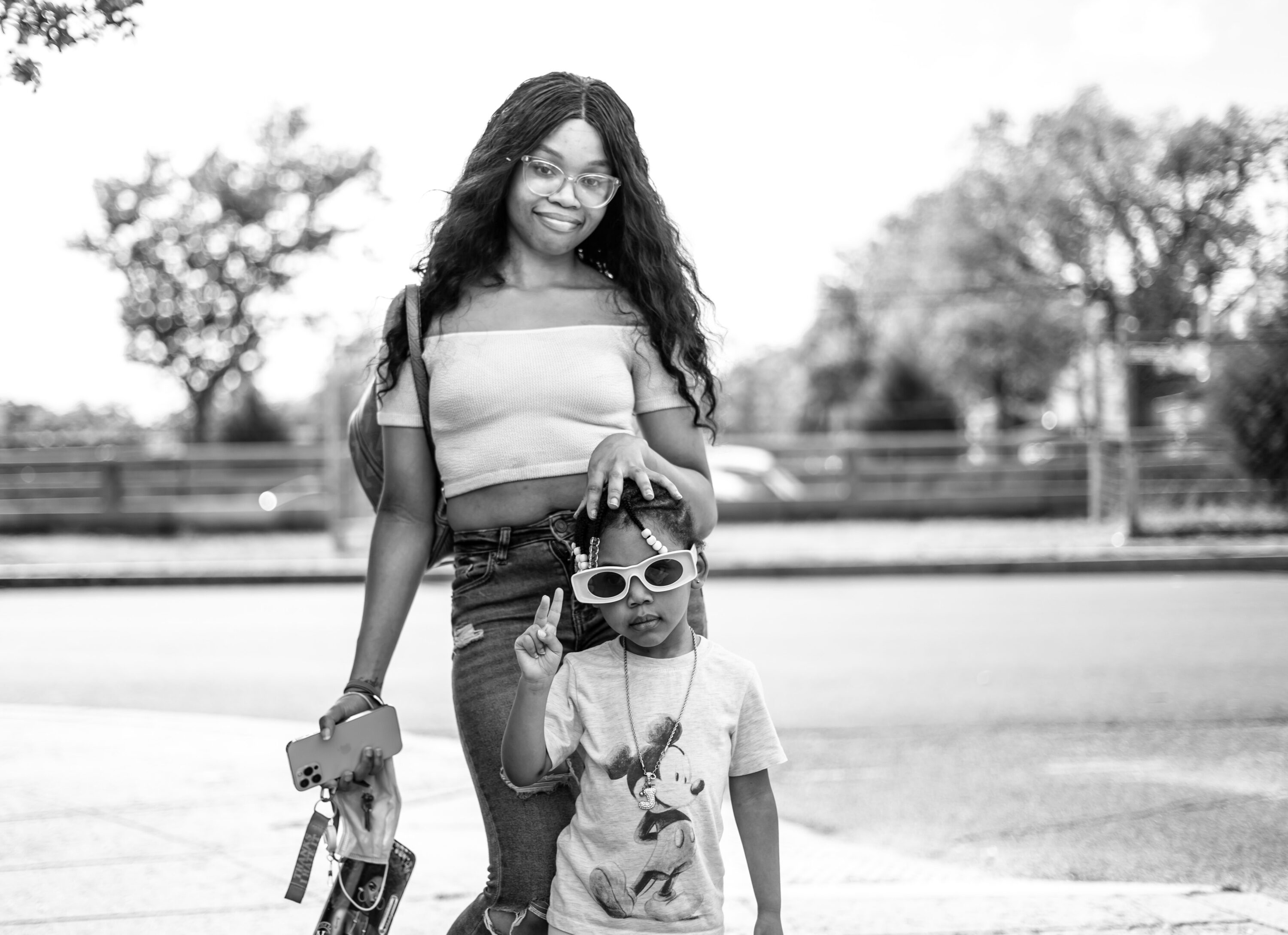
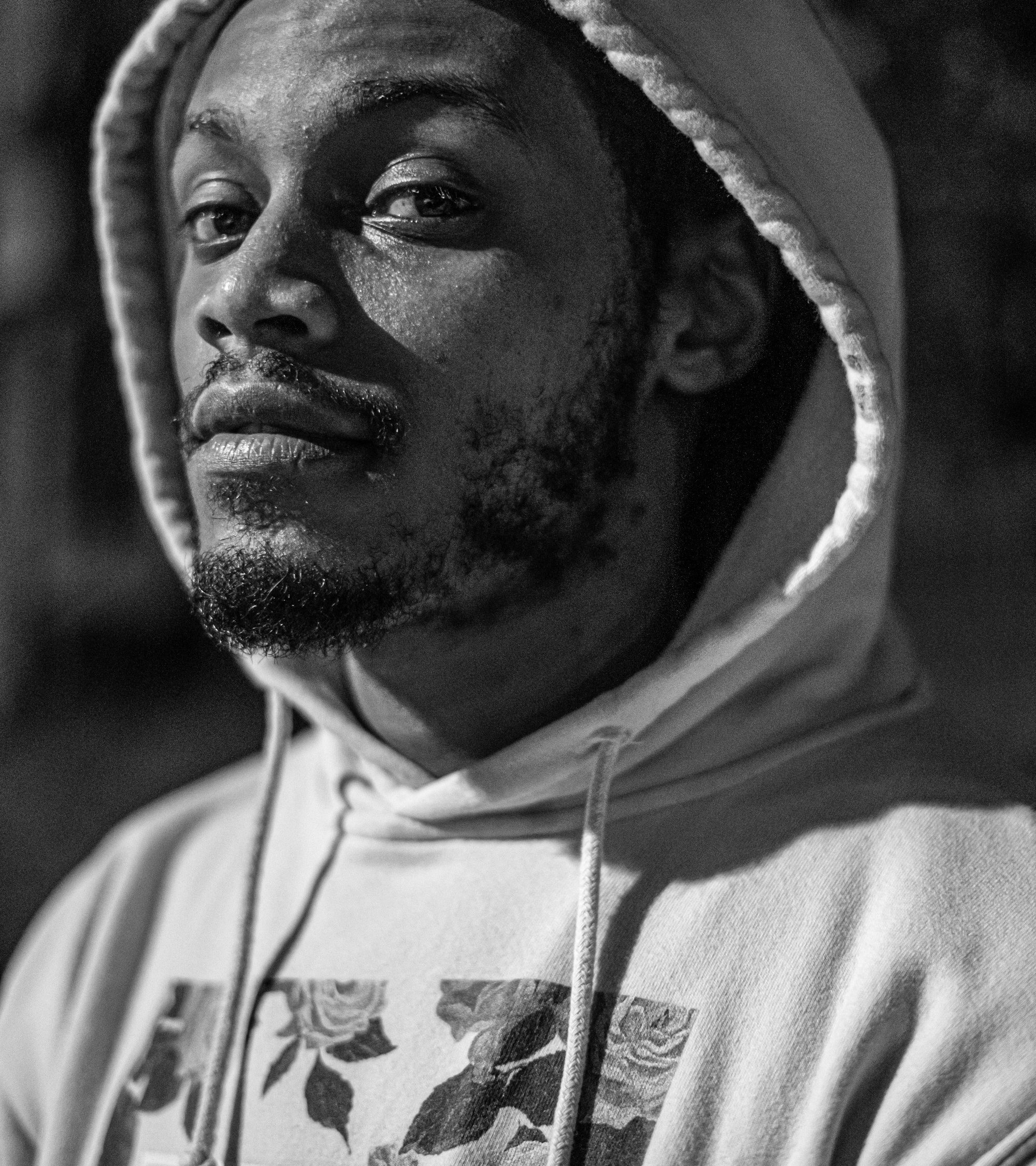
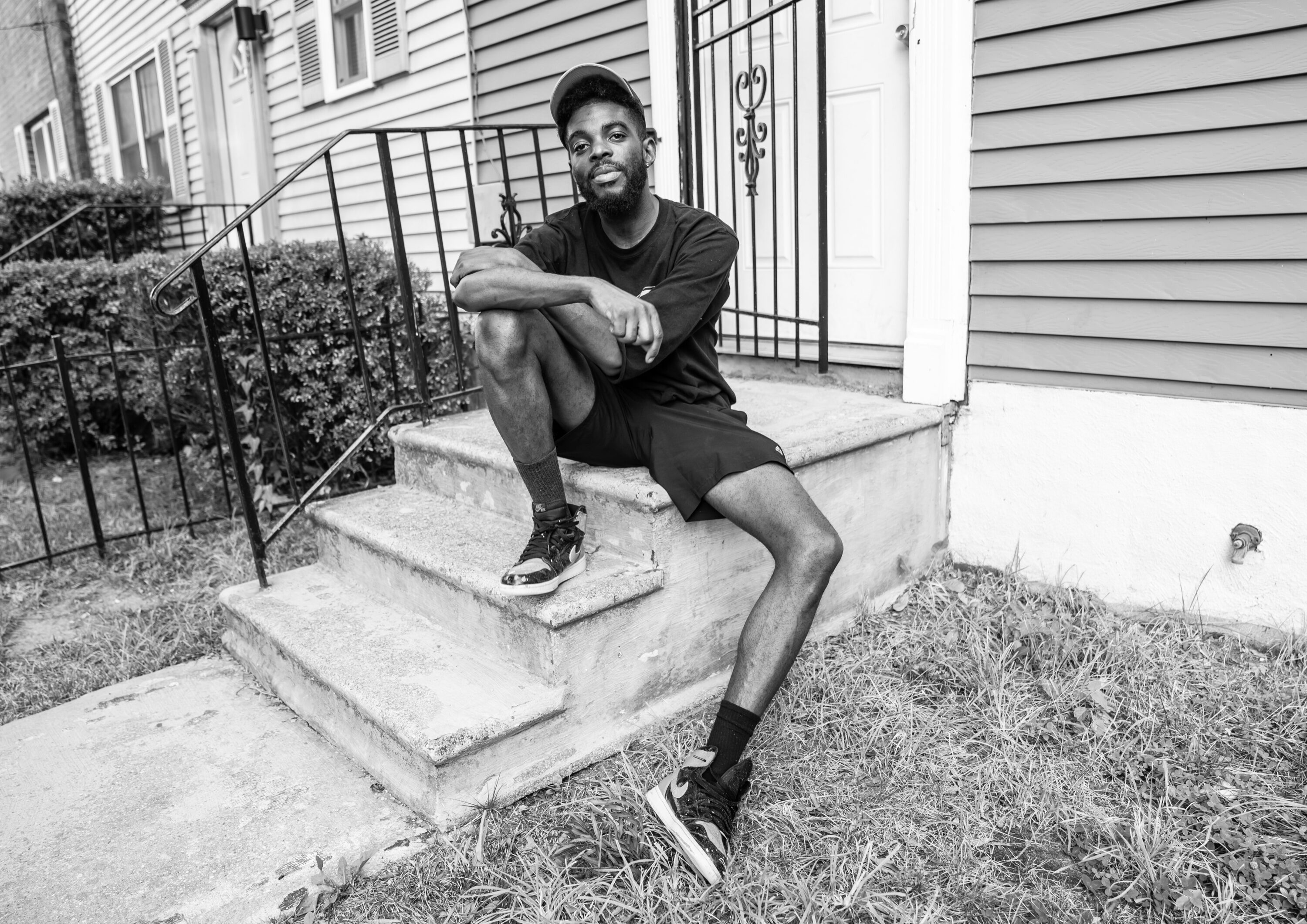
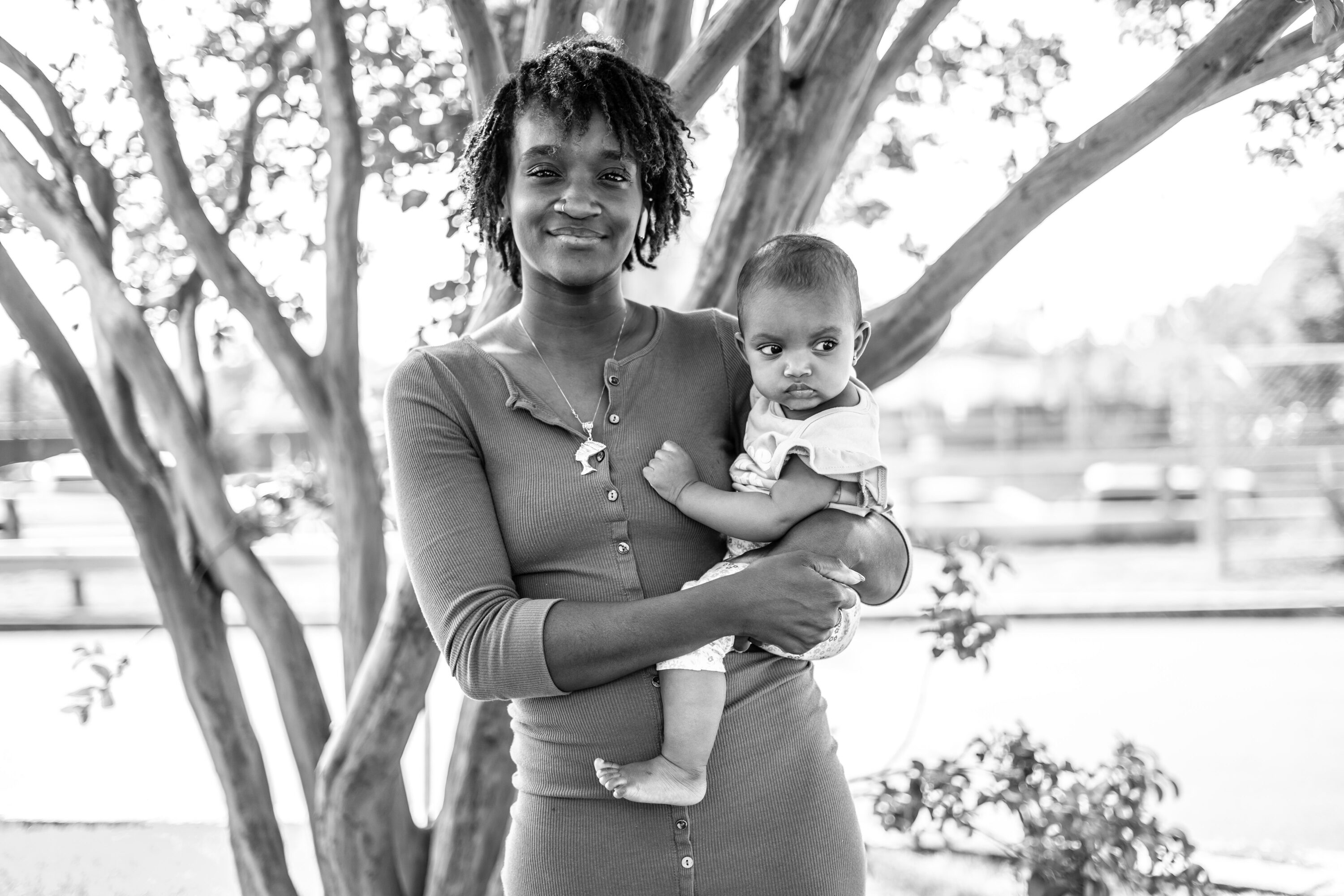
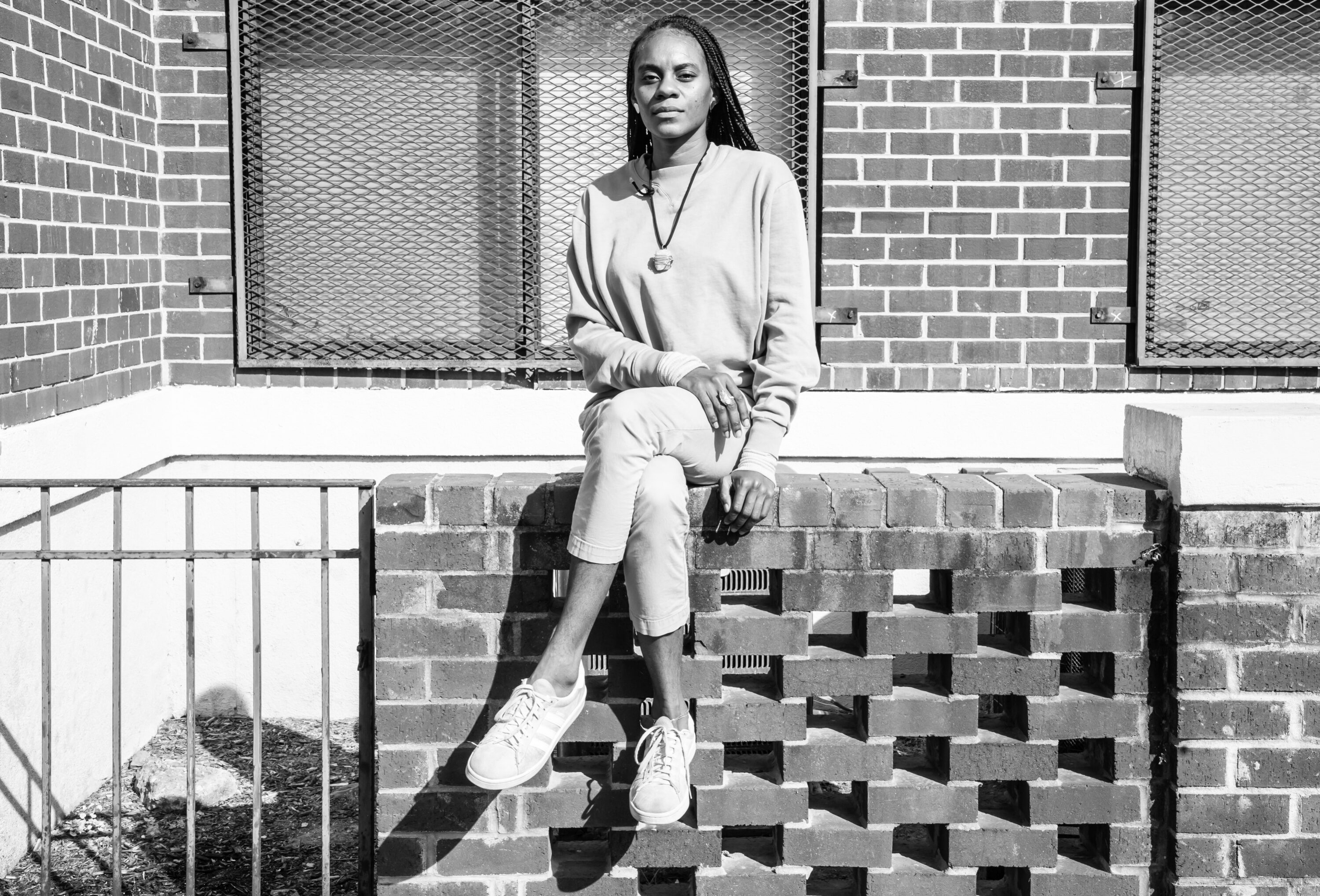
For the last three years, DCist/WAMU photojournalist Dee Dwyer has regularly met with residents of D.C.’s Wards 7 and 8 to talk about everything from Go-Go music to the January 6th insurrection and gentrification. It’s all part of a project called Voices of Wards 7 and 8, where Dwyer documents the complexity and beauty of the myriad communities living in those neighborhoods.
As the series nears its third anniversary, Voices producer Kayla Hewitt met Dwyer (a Ward 8 native herself) at the retail village Sycamore and Oak to reflect on the project.
A lightly edited transcript of their conversation is included below.
Hewitt: So, the first edition of Voices came out in October of 2020. What inspired you to start this project at that time?
I remember us having multiple meetings [asking], how can we report on the uprisings in a respectful way, right? Because we all know the history of the media when it came to reporting on Black people. And I remember us having these meetings on, how should we word things? How should we say this? How should we do this? So after having all these meetings, I remember just having a headache to be honest, because I’m like, why don’t people get it? You just put humanity first, right? So I said, “Can we just hold up the mics to the people and let them talk for themselves?”
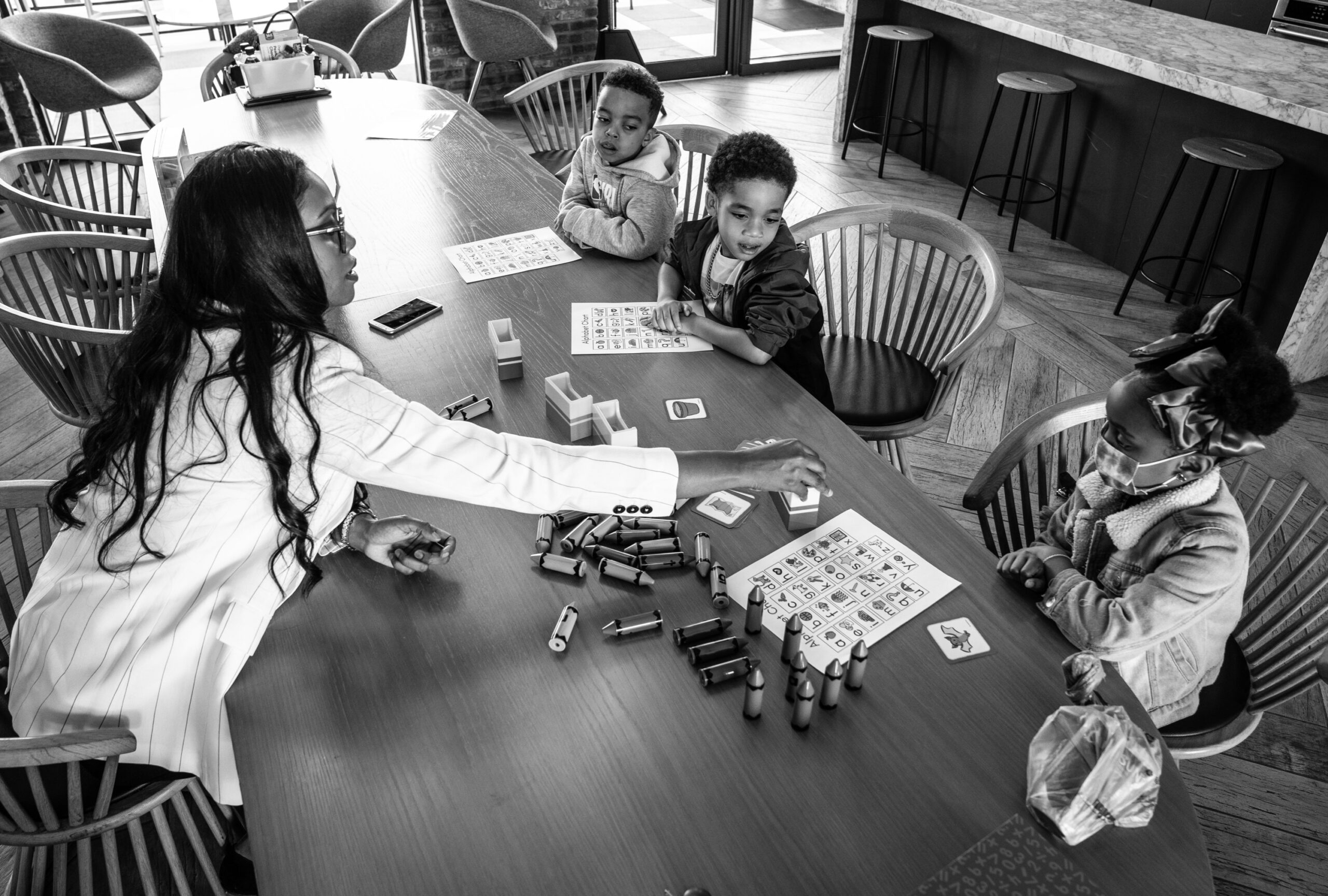
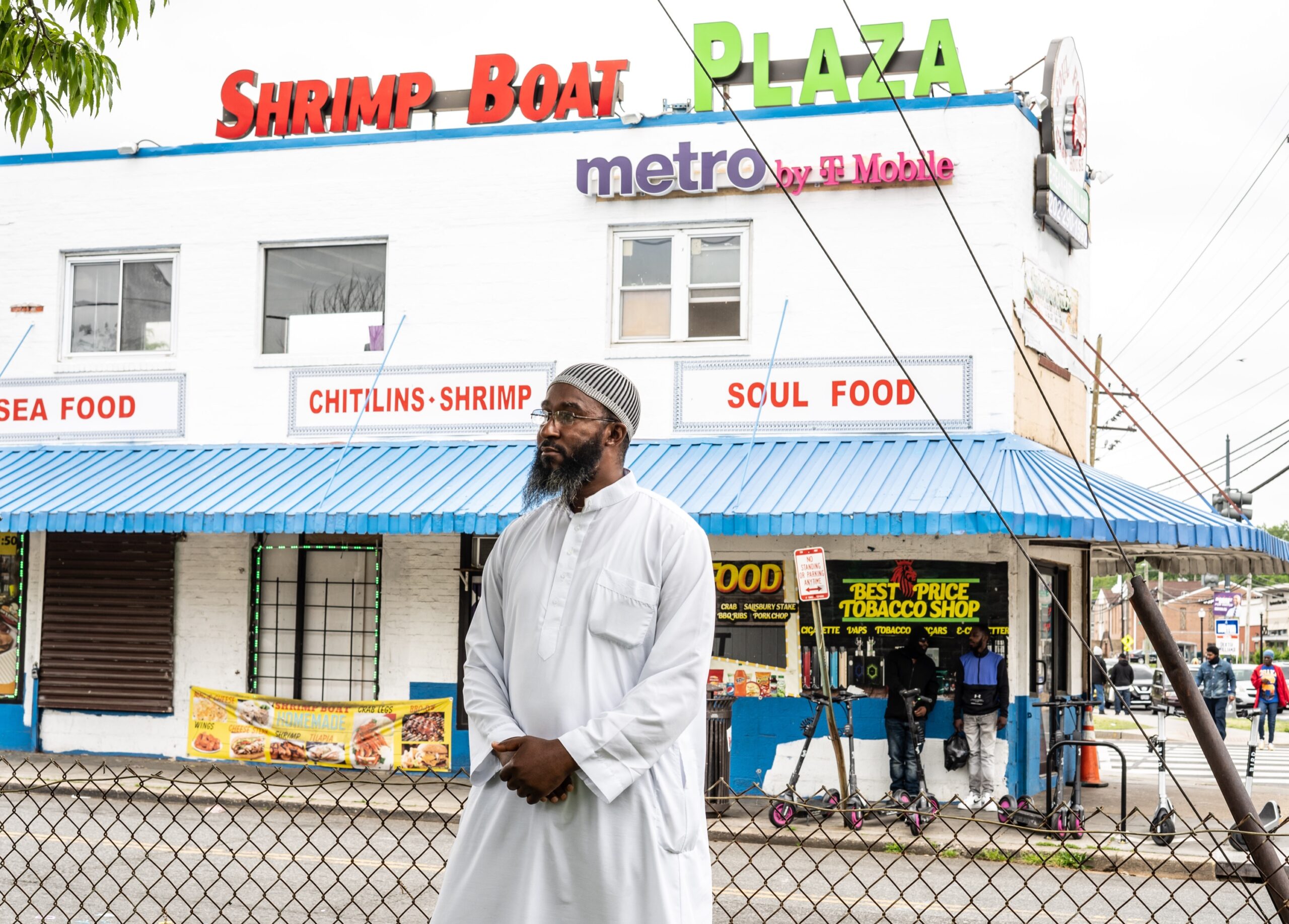
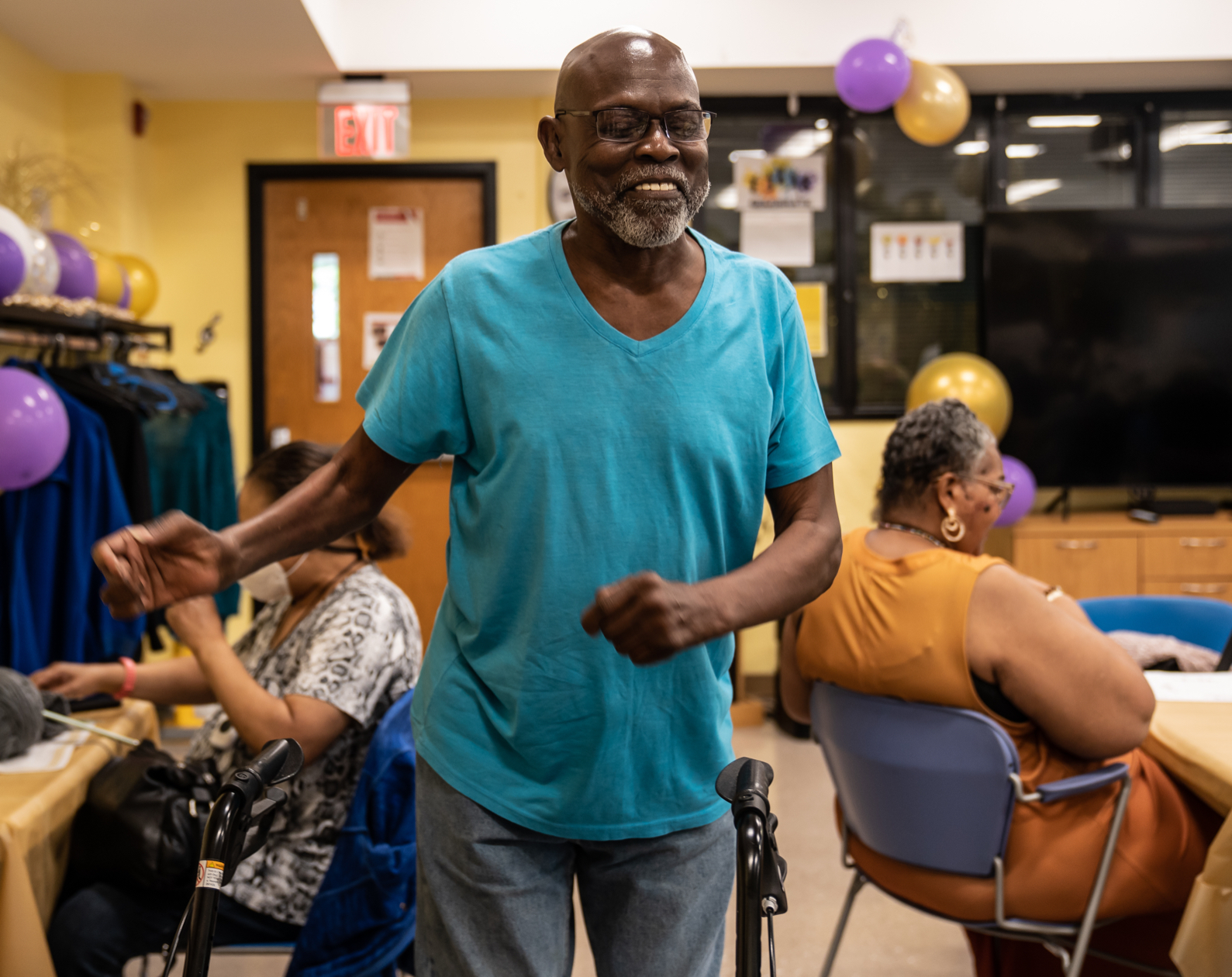
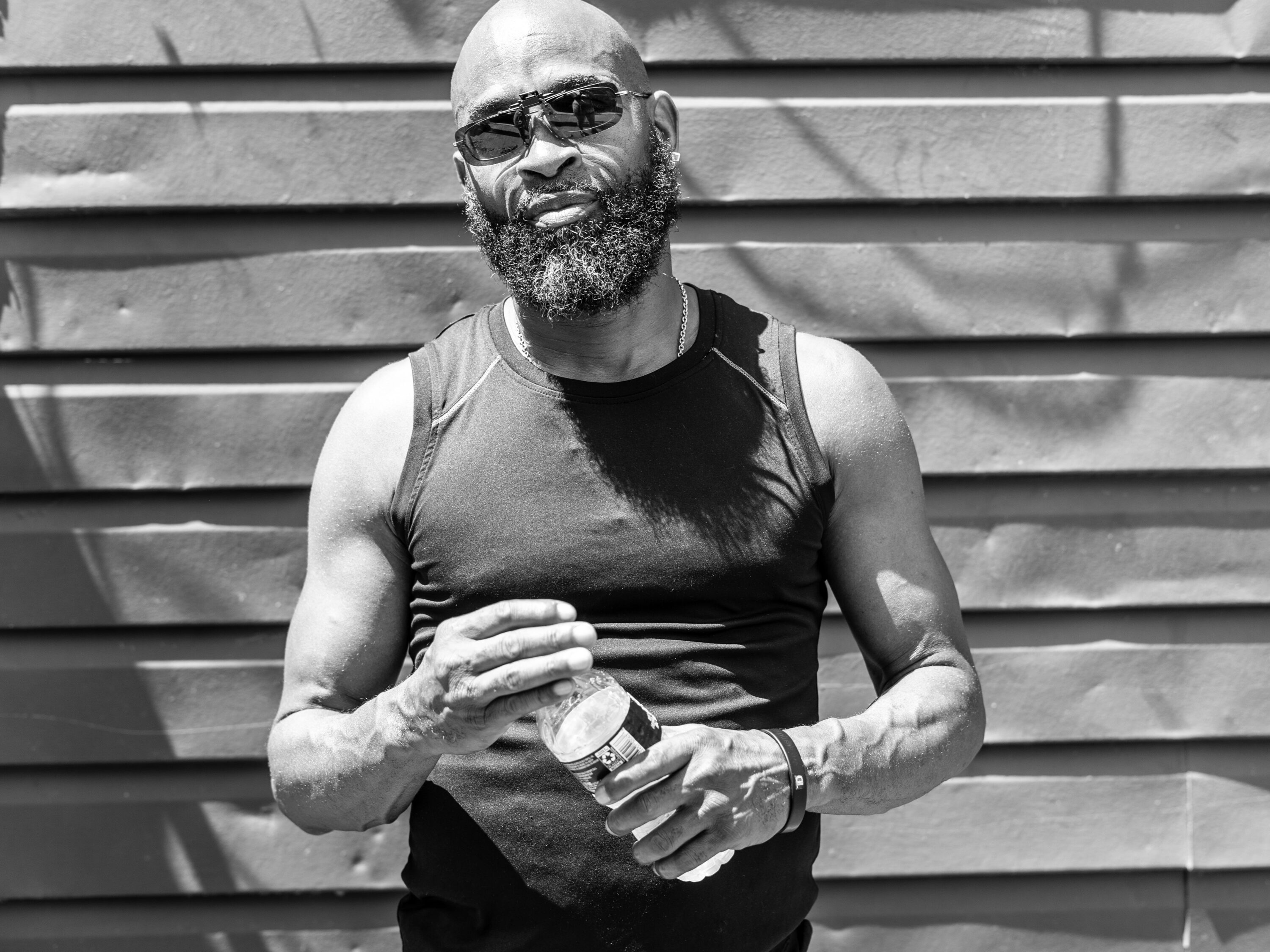
I love what you said, “It’s pretty simple. You just put humanity first.” And I see that so much in this project. What do you think it is about this project that captures Wards 7 and 8 in a way that you haven’t seen or that you felt was missing?
Definitely, it shows our personalities. I know in the media, we have to change the wording up a little bit to make it as simple as possible so that everyone can understand it. I love that we don’t do that with [Voices]. Like, we incorporate the Ebonics. Like, either, you know… if you don’t know, then you need to research and be on our wave. You know, you have to experience us. And I feel like that’s the best thing that I’ve seen through this project that I’ve never seen before. I just feel like it’s a space for us, you know, For us by us. FUBU, shout out to FUBU!
To that point, I think to maybe don’t want to brag on yourself, but I think a lot of that is down to you. You bring a lot to this community and you show a lot of this community. How do you think that working on this project has further developed the relationship you have with Ward 7 and Ward 8.
I would say this: I’m from a certain community within Ward 8 where it is different. You know, it is under-resourced. We don’t have a lot of resources. Where I come from, it’s a lot of high crime there. It’s just… it’s a lot. Through this project, I was able to meet and establish relationships with other people from different communities in Ward 8 — because it’s not all ghetto in Ward 8. You don’t have all poor communities and Ward 8 — it’s different parts. So I was able to learn, you know, through this project, more about Ward 7 and Ward 8 and just build relationships with different people. And through this project, I was also able to, you know, just strengthen my relationships with people because they’re like, wow, like Dee you created a space for us to say the things that we’ll normally say at the cookout.
You spoke a bit about the mission you had, the goals you had for this project back in 2020. Do you think, moving forward, it’s just an extension of those goals, or has your purpose shifted in any way — has the mission changed over the last three years?
I would say the project has definitely grown. It’s not just about the Ward 7 or Ward 8 community. It’s also about educating the world that D.C. is bigger than the White House. D.C. is bigger than the Capitol. When people come here, when tourists come here — I’m not saying that they can just come to Ward 7 and Ward 8 [as if] this is a tourist area — but pour some of your resources, you know, into the communities over here and build with the people genuinely and, you know, perhaps you may get an invite to Wards 7 and 8. So I feel like [Voices] is an educational tool so that people can learn that, you know, there is a community over here, there are communities over here.