 Nayion Perkins
 Esther Ciammachilli
A new documentary showing at the DC Black Film Festival this weekend explores the crucial tie between D.C.’s cannabis industry and its ongoing fight for statehood.
Higher Power s an hour-long film that uses the stories of Black Washingtonians fighting to enter the legal cannabis industry to reveal the stark reality of 700,000 disenfranchised Americans living in Washington, D.C. and the urgent need for D.C. statehood.
The cannabis industry in Washington D.C. has existed in a gray area since voters approved Initiative 71 in 2014. While recreational cannabis use is legal in D.C., recreational sales are not, a distinction that has provided a barrier for many Washingtonians wanting to enter the cannabis market. And while most residents in D.C. support recreational cannabis use and creating a legal market for it in the city, Congress’s ability to veto or interfere with D.C.’s laws has prevented that from happening.
Higher Power features interviews from entrepreneurs, advocates, and local political figures such as Councilmember Kenyan McDuffie, former at-large D.C. councilmember David Grosso, and Congresswoman Eleanor Holmes Norton. The film premiered in April, and has enjoyed multiple placements at film festivals across the country and overseas.
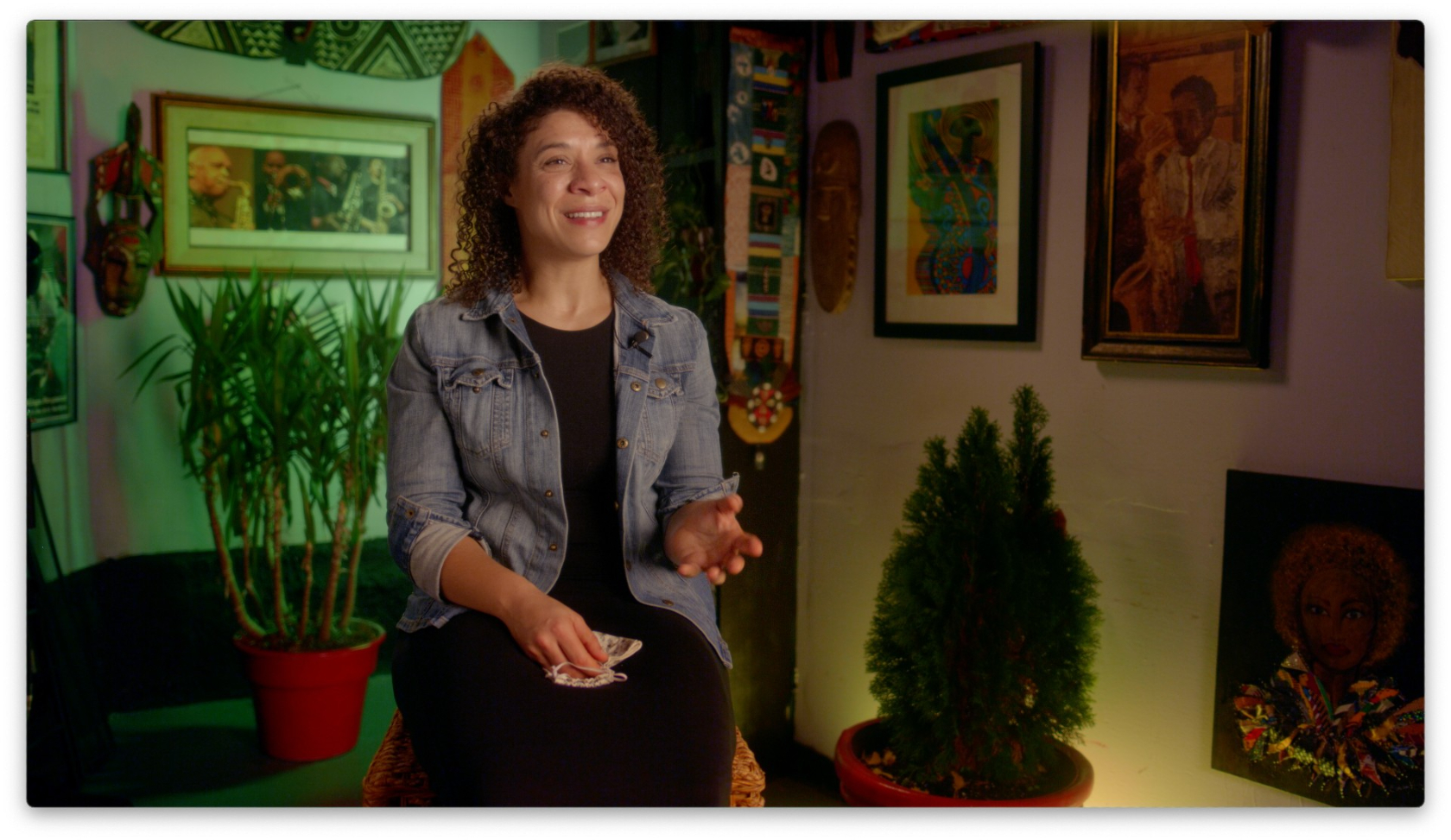
We sat down with the film’s producer, native Washingtonian Rafi Crockett, to discuss the project. The answers have been lightly edited for length and clarity.
What motivated you to make this film?
Dewey Ortiz, who’s the director of the film, and I really wanted to highlight black entrepreneurs in the cannabis space who were in fact succeeding, because there is a narrative that there are no black people in this industry, [that] we’re being locked out. And while that is true, we didn’t want it to become a self-fulfilling prophecy. When you don’t see yourself at the table, you are less likely to pull up a chair. So it really started as a way for us to highlight the black cannabis business owners here in the city who were doing well. But, you know we couldn’t tell that story without talking about the big elephant in the room, our lack of statehood, our lack of self-determination here in the city.

What’s the response been so far?
It ranges from outrage to motivation to complete and utter shock and dismay. We showed it in Prague, in the Czech Republic, and they all just couldn’t fathom how the capital of the United States of America disenfranchised its own citizens — that I don’t have, you know, two senators, [that] I do not have a voting representative on the Hill. That any laws that we pass here in D.C. can be overturned — like our criminal code revision was recently.
And then I’ve got other folks who’ve seen it: Americans who kind of understand that D.C. isn’t a state but didn’t really understand the full extent to which our lack of statehood contributes to poor health and economic outcomes for Washingtonians. So, yes, people leave our film outraged and motivated and [saying], “How can I help?” “Do I need to move to D.C.?” [And we say] ‘stay where you are and ensure that you elect representatives and senators who will support self-determination for the 700,000 residents of the District of Columbia.’
What can the government do to support cannabis entrepreneurs?
I would love to see the District government putting resources toward providing capital, providing real estate for entrepreneurs, particularly black and brown entrepreneurs, individuals and families who were harmed and decimated by the war on drugs. That’s what we need. It’s great to hand out a lot of licenses, but if you’re not handing out capital to help them get those businesses off the ground and then also to grow those businesses, it’s really a hollow promise. And I don’t want to see people’s hopes and dreams dashed in this industry.
What’s something you learned/surprised you?
I was just really surprised and taken aback by the emphasis that we place on the monetary side, and how we forget that this is a plant, that this is medicine. There’s so little focus on that from our community leaders, from our political leaders in the city. It’s like, ‘let’s get licenses, let’s get revenue, and let’s do X, Y, and Z with that revenue.’ Well, let’s give patients what they need. Let’s give them the medicine that is required for their ailments. Let’s treat the ills that came out of being a black person in Washington, D.C., surviving the drug war, surviving being the murder capital of the world. There’s a lot of ills that came out of that. How can we treat that? It’s not just about cannabis businesses.
Higher Power is showing at the DC Black Film Festival on Saturday night at the Miracle Theatre at 535 8th St. SE and virtually through Aug. 30. Tickets are available online. For a more comprehensive look at the festival and the D.C. movies and filmmakers featured, click here.
This post has been updated to correct the spelling of Rafi Crockett’s surname and the day the film will screen at Miracle Theatre.