 Aja Drain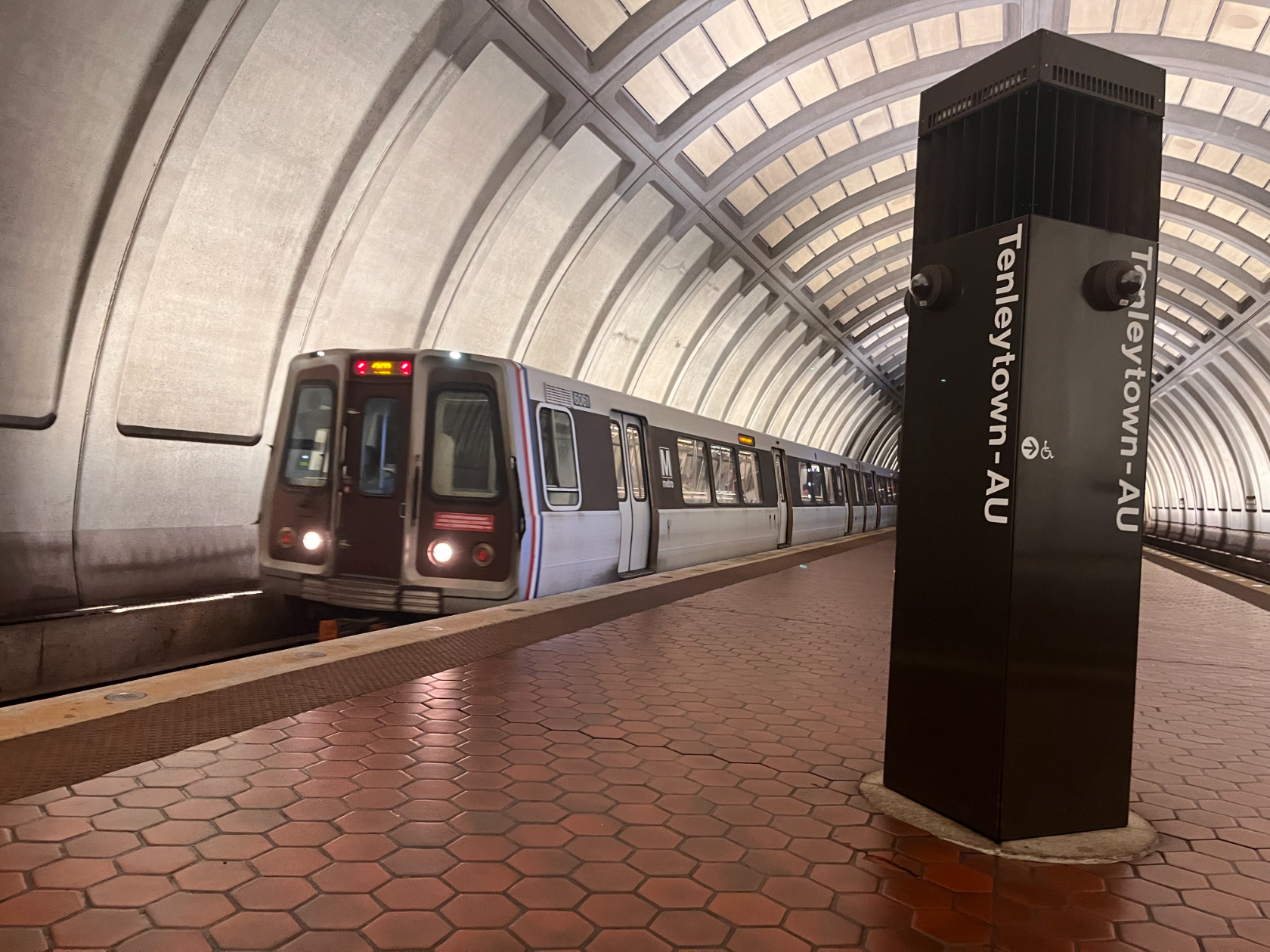
As Metro transitions back to automatic operations, automatic doors will be coming to the Red Line. The announcement came at a meeting of the Metro board of directors on Thursday.
The return of automatic doors has two benefits. First, it removes the potential for dangerous human error, which can result in doors opening on the non-platform side of the train. Second, it improves timing for customers. With the current manual system, riders have to wait several seconds before the door opens. With the automatic system, the doors will open about five seconds after the train stops, compared to around 15 seconds with the current manual operations.
“When a train is in automatic door operating mode, that platform and those customers can be serviced a lot sooner,” Metro’s vice president of communications and signaling Tiffani Jenkins said. “This is a pain point that has been expressed to us by our customers.”
When Metro opened in 1976, it used automatic train operations. But in 2009, a sensor in the track malfunctioned, leading to a train crash that killed nine people and injured 80 others. Although the automated system was never found to play a role in the crash, the system was shifted to manual operations – which have been a lot slower.
Metro says it is prioritizing safety during the transition, and so the return of automatic doors won’t completely remove the role of train operators
“If someone obstructs a door closure, then the train will not be permitted to move,” Jenkins said. “[Train operators] still have practices where they have to look down visually, down the platform and confirm that the train is clear for proper movement, so those things are not going to be overridden by the use of automation.”
The use of automatic systems has been slow to return largely because of reliability problems and safety priorities. Back in 2019, Metro trains tested automatic doors for a short period. Metro had a goal that automatic train operations would go into effect by the end of this year, but that’s now been delayed into early next year.
Automatic train operation could make rides smoother by automating acceleration and braking. The change could also decrease the number of times a train goes too far past the platform, which is largely due to human error.
Metro says the return of automatic doors and automatic train operations could improve travel time on the line by 5 to 10 minutes and save WMATA $10 million. Metro expects to implement automated doors on the Red Line starting in October.