Jacob Fenston
For decades, Pepco knowingly discharged toxic chemicals into the Anacostia River, using the river and other District waterways as a “cost-free dumping ground,” according to lawsuits filed by D.C. Attorney General Brian Schwalb.
Today Schwalb announced a $57 million settlement of the suits — the largest environmental settlement in D.C. history. The money includes $10 million in civil penalties, plus $47 million to clean up contaminated sediment in the Anacostia River. Under the settlement, the power company is also on the hook for possible additional costs to clean up its old, decommissioned power plants along the river, at Benning Rd., and Buzzard Point. Those costs will be determined after further study of what needs to be done at the sites.
The money will go towards initial work to clean up toxic chemicals in the most polluted hotspots on the river bottom. These chemicals include polychlorinated biphenyls, or PCBs, which are likely to cause numerous health problems in humans, including cancer,immune system suppression, and neurological defects. PCBs can take decades to degrade in the environment, and they can bioaccumulate in fish, making it dangerous to eat anything caught in the Anacostia — one of the reasons a fish consumption advisory is in place in the District.
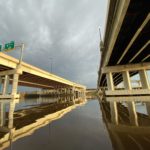
“For nearly a century, Pepco regularly dumped toxic hazardous chemicals directly into our waterways, including directly into the Anacostia River. It dumped waste into the land, which then seeped down into groundwater and stormwater and again ultimately into our rivers,” Schwalb said during a press conference at Kingman Island today, with the muddy river in the background.
Carmel Henry, vice president of the D.C. NAACP, welcomed the settlement. But she also said more needs to be done for the residents who, for generations, have been the most impacted by pollution along the river.
“Releasing hazardous chemicals into the Anacostia River has had long-term disproportionate financial and health impacts on low-income Black D.C. residents. We owe justice, accountability and restitution to the residents of Buzzard Point, Anacostia, Benning Rd., and other hot spots in the district that were impacted by the contamination,” Henry said, speaking at the press conference.
Pepco polluted the river in three main ways, according to the lawsuits.
At the Buzzard Point facility, Pepco operated a power generation plant from 1938 until 2012. At this facility, containment structures captured spills and leaks from petroleum-filled transformers. When rain water mixed with this polluted liquid, Pepco employees would routinely — at least twice a month — pump this contaminated brew into storm sewers which feed directly into the Anacostia River. This continued until 2013, according to the suit, when the Department of Energy and Environment caught Pepco and issued a cease-and-desist order.
Similarly, Pepco routinely dumped liquid polluted with toxic chemicals from its system of 60,000 underground vaults located across the city. These vaults are part of the electricity distribution system in the District, and Pepco released pollution from these vaults directly into storm sewers up until 2012, according to the suit.
Pepco’s Benning Rd. facility was originally a coal-fired power plant when it opened in 1906. Over the decades, there have been numerous sources of pollution at the site including coal piles, oil-cooled transformers, a fuel oil tank yard, and a gasoline fueling station. There have been documented releases of PCBs, petroleum, and other hazardous chemicals at the site.
In a statement, a Pepco spokesperson said the settlement would “help advance cleanup of the Anacostia River and District communities, especially those who have been disproportionately impacted.”
“We remain committed to continuing our work with the District as well as other local agencies and community groups to improve the overall health of the Anacostia River,” the statement reads.
Pepco is far from the only big polluter responsible for the destruction of the Anacostia River ecosystem. Schwalb says he plans to hold others accountable as well.
“We know there are other commercial actors and entities that use the district and our land and water as a dumping ground for dangerous chemicals. Pepco deserves credit for being the first in the door to step up and accept responsibility for its actions and for making a substantial down payment on the clean up work that needs to get done,” Schwalb said.
Previously, in 2020, chemical manufacturer Monsanto agreed to pay the District $52 million over PCB pollution in the city’s waterways.
The District’s Anacostia River sediment project will result in the cleanup of about 77 acres of toxic hotspots in the river sediment. Officials say remediation work will likely get started in the fall of 2025, to be completed by the end of 2026. The District has already spent about $35 million on the project.
The Anacostia River has been getting much cleaner in recent years, as major sewer projects have gone online, keeping billions of gallons of untreated sewage out of the river. In September, the first permitted swim event on the river in more than fifty years was canceled because of inclement weather. Advocates say the river is getting close to being regularly swimmable; once the toxic sediment is cleaned up, it could also be safe to eat the fish.