Jacob Fenston
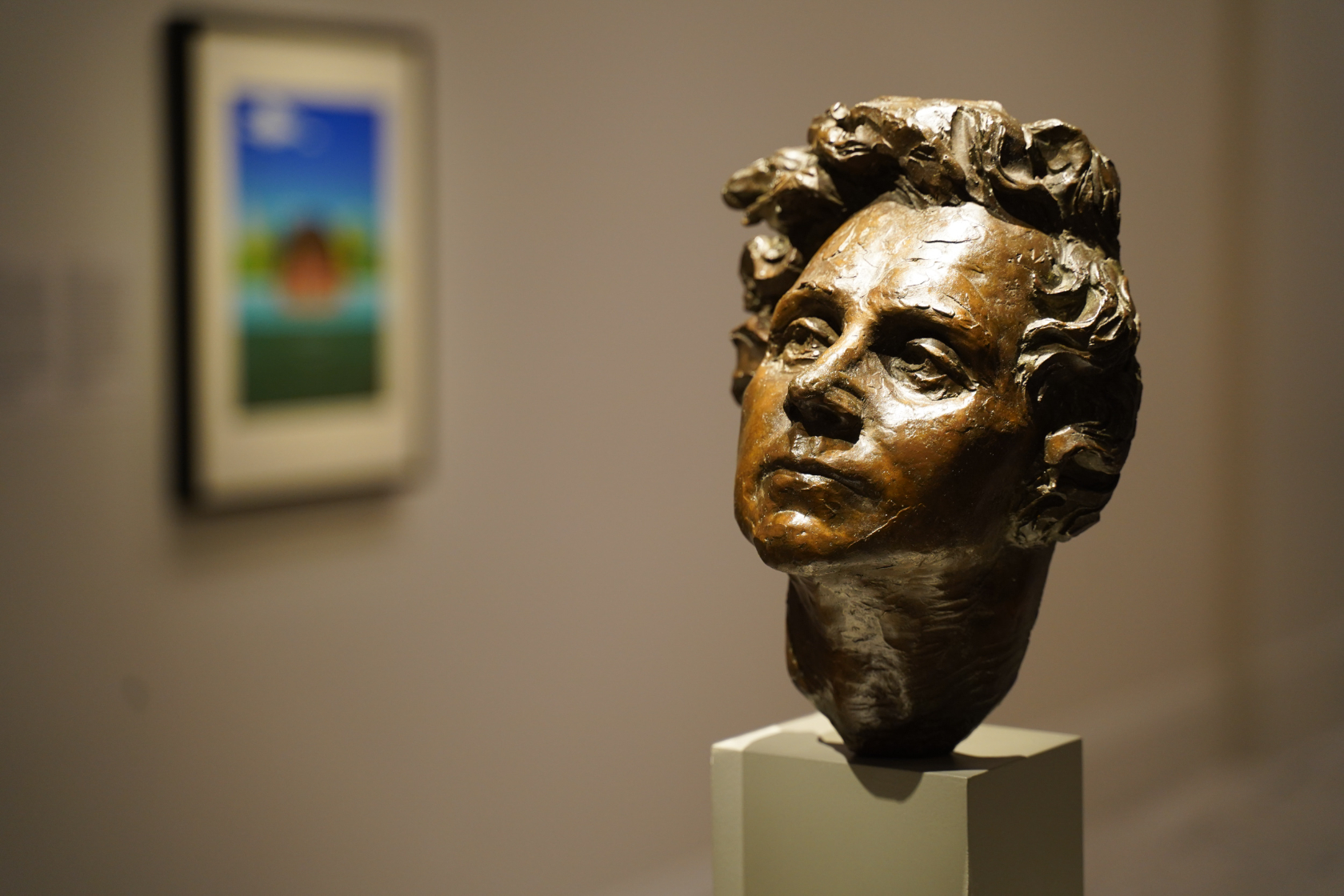
A new exhibition at the National Portrait Gallery showcases the faces of people who have shaped the environmental movement over the past 100-plus years. The two-dozen portraits on display depict activists, politicians, scientists, writers, and artists who have had a big impact on how we think about the natural word. Some are very well known, like Henry David Thoreau, while others are slightly less famous, like artist Maya Lin; some are fierce defenders of the environment, while others were critics of the movement.
“I hope it encourages people to engage in this debate,” says curator Mindy Farmer. “I would guarantee that almost everyone’s going to find a quote or a person or perspective that they enjoy. And they’re probably also going to find something they disagree with, and that’s good.”
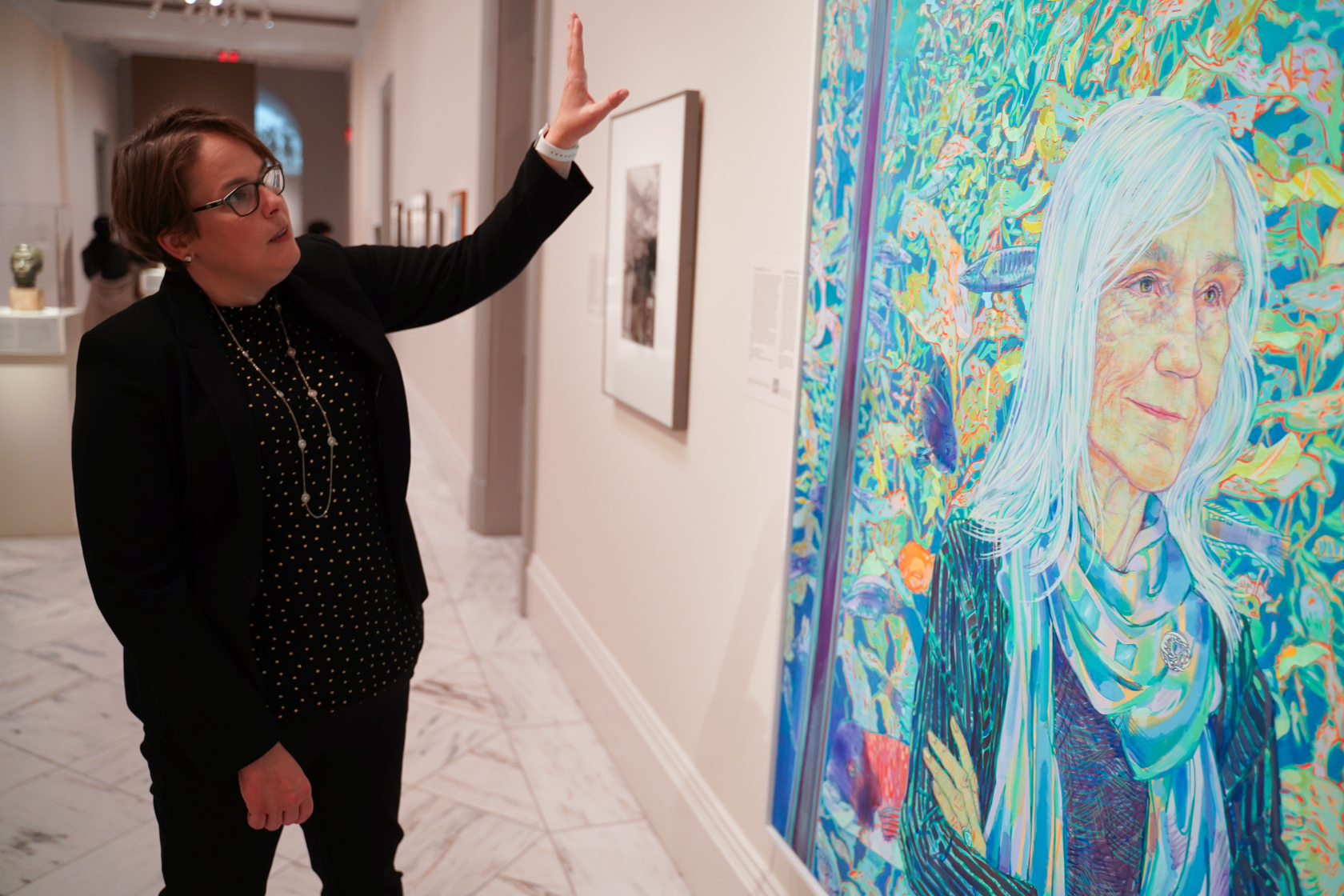
The exhibition, which opened today, is called “Forces of Nature: Voices that Shaped Environmentalism,” and will be on view until Sept. 2, 2024.
The people featured in the exhibition are not necessarily heroes, and many have complicated or problematic pasts. For example, John Muir, one of the founding fathers of the environmental movement, was also racist, and spoke disparagingly about Black people and Native Americans.
“We also see that with perhaps one of our most environmentally friendly presidents, which is Teddy Roosevelt. Teddy Roosevelt did amazing things for the environment, but often did them because he wanted to preserve lands for hunting,” Farmer says.
The exhibition includes portraits of people who pushed back against environmental protections, like Dixy Lee Ray, who was governor of Washington State in the late 1970s and authored two books that were critical of the environmental movement. Another portrait shows James Watt, Ronald Reagan’s controversial interior secretary, who was known as an “anti-environmentalist.”
The exhibition also includes George Washington Carver, one of the most prominent Black scientists of the early 20th century, as well as Native American activists Russell Means and Dennis Banks, and Latina activist Dolores Huerta.
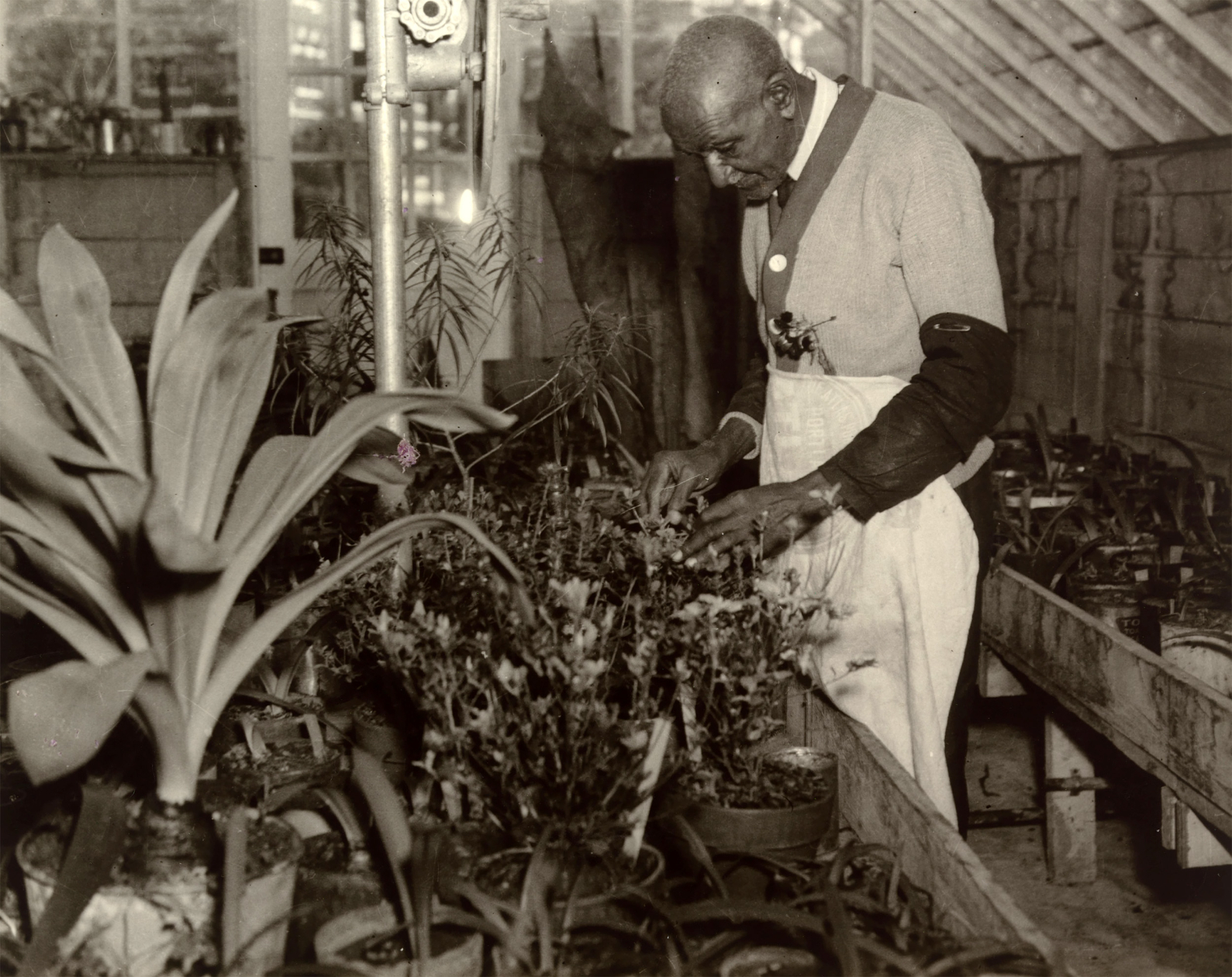
While the subjects of the portraits are from all over the U.S., there is at least one D.C.-area local represented: Rachel Carson. Carson penned the 1962 book “Silent Spring,” about how pesticides like DDT were decimating wildlife. Carson was credited with galvanizing the modern environmental movement through her writing.
“She wrote about the dangerous chemicals that are part of our everyday life,” says Farmer. “It’s very telling that that’s still a debate we have. We do owe Rachel Carson a lot of credit for bringing that to light in a way that was accessible and readable and outside of scientific jargon, but also still very much a nest in the air enmeshed in the science of it.”
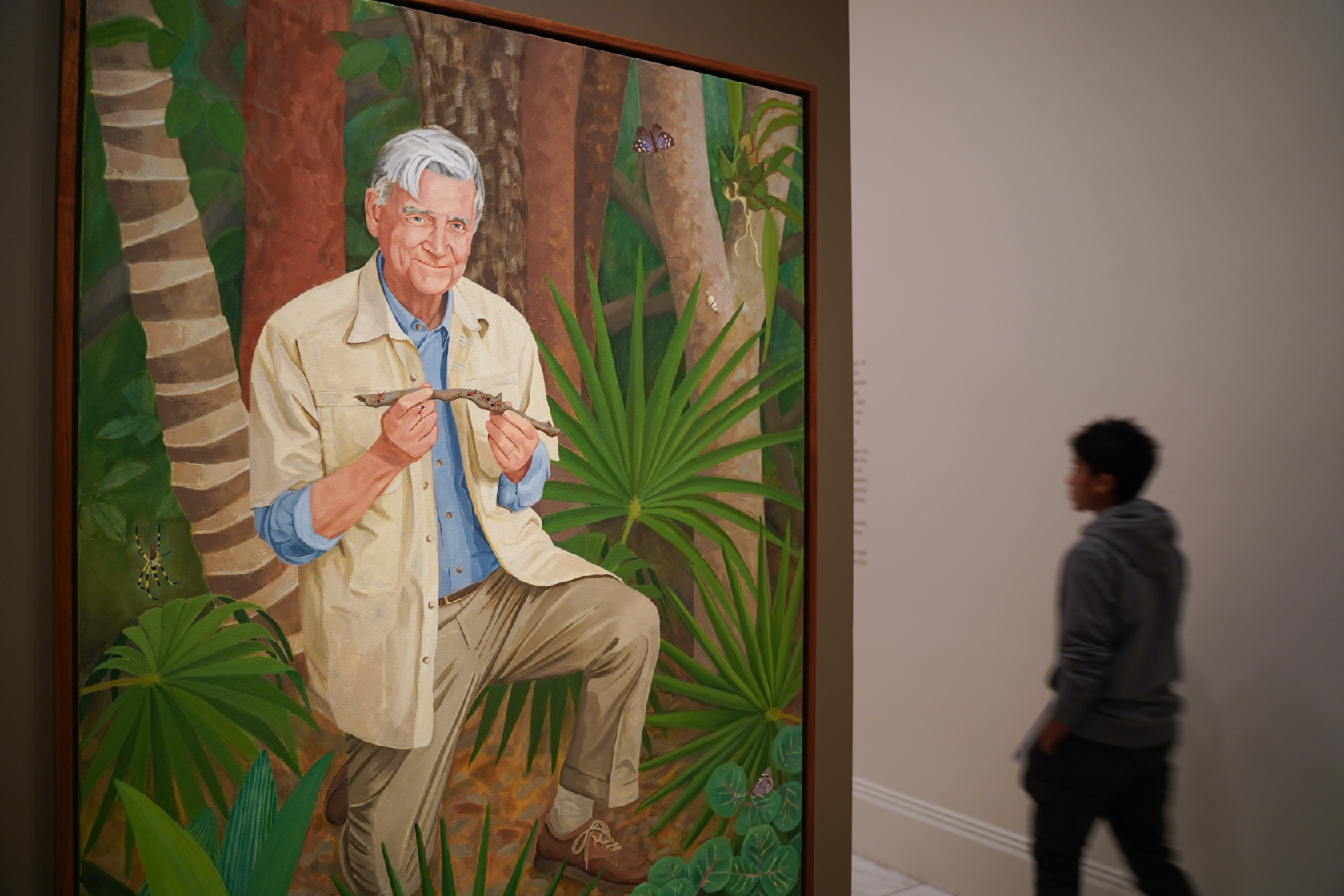
The paintings, photographs, and sculptures on display all come from the Portrait Gallery’s collections — which, Farmer notes, makes the exhibition more environmentally friendly, as the artwork doesn’t need to be packaged and shipped to get here.
But it also means it’s somewhat limited in scope, Farmer says.
“Portraiture as an art form has not always been the most inclusive. So we are not making the case that this is a comprehensive look at the environmental movement,” she says.