Héctor Alejandro Arzate
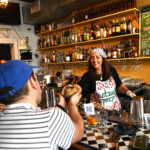
Alicia Talamas waits just outside of the Green Zone, a Middle Eastern bar in the heart of Adams Morgan. The air is cold but she and a friend are early enough to get ahead of the crowd that stretches down the block of 18th Street NW. Like many others, she says she came for the comfort of Palestinian food and to support humanitarian aid in Gaza.
“Honestly, I’m looking forward to a taste of home,” says Talamas, who is half Mexican and half Palestinian. “Just looking for community. Looking to find solidarity and resistance in the moments of harsh times – of struggle.”
On Sunday evening, local Palestinian chefs Jinan Deena and Marcelle G. Afram organized an event where 100% of the proceeds from sold food would directly benefit UNRWA USA . It’s an entity that works with the United Nations Relief and Works Agency for Palestine Refugees in the Near East – an agency that operates throughout Jordan, Lebanon, Syria, the Gaza Strip, and the West Bank.
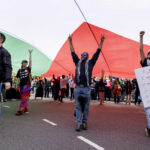
While the agency has existed since 1949 (following the end of a war that established Israel and displaced hundreds of thousands of Palestinians), it is now on the frontline providing food, water, and shelter to people in Gaza since the outset of a war that was prompted by a surprise attack on Oct. 7 against Israel from Hamas militants, which killed over 1,000 Israelis and seized at least 100 other people as hostages. That attack has led to an ongoing airstrike campaign and siege from the Israeli Defense Forces that has killed over 5,000 people in Gaza – more than half of whom are women and children – according to officials with the Palestinian Health Ministry.
Although some truck convoys carrying aid and supplies were allowed into Gaza over the weekend, relief groups say fuel and medical supplies are nearly depleted. Meanwhile, a total of 29 UNRWA staff members have been killed since the war began, which chef Afram says further drives the need for funds to support the critical work of the agency.
“We have trusted organizations that have been on the ground in Gaza even before this most recent catastrophe. We need to get them money,” says Afram, who runs a local food pop-up called Shababi.
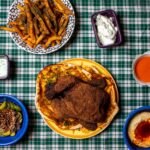
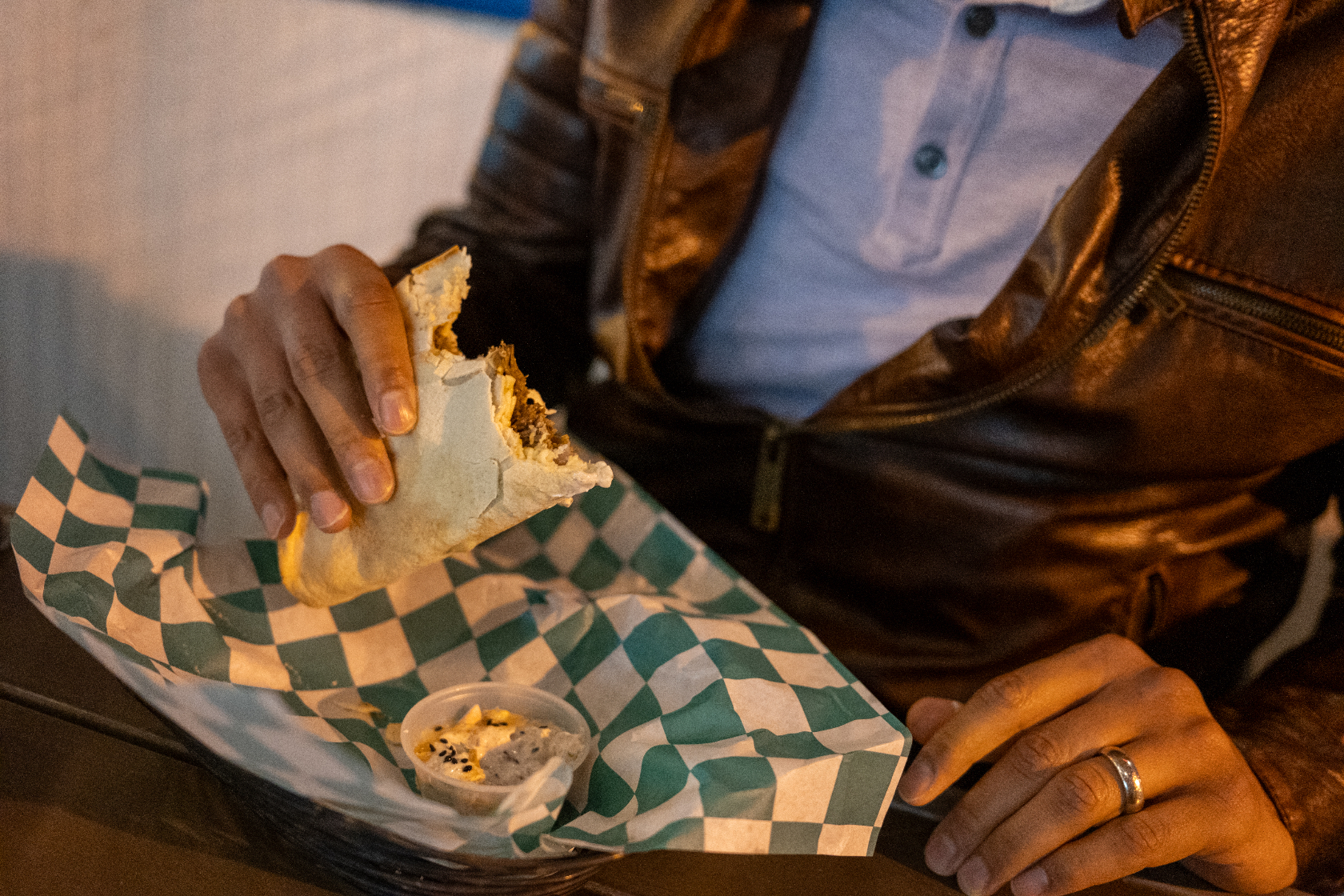
To draw the hungry crowd, both chefs put their own twist on arayes – a meat-stuffed pita that is found throughout the Middle East. For chef Deena, it was a more traditional beef with spices from Palestine, pomegranate molasses, and plain labneh cheese. Meanwhile, chef Afram served smoked and pulled lamb, along with labneh, caramelized onions, and ingredients like nigella.
According to Deena, they wanted to share dishes familiar to the Palestinian diaspora that would also showcase their culture to others.
“Food is a very good medium to bring people together. People love to eat, and they also get to learn about Palestinian cuisine in the process. And I think that aspect of it also humanizes Palestinians,” says Deena, who runs the food pop-up, Bayti.
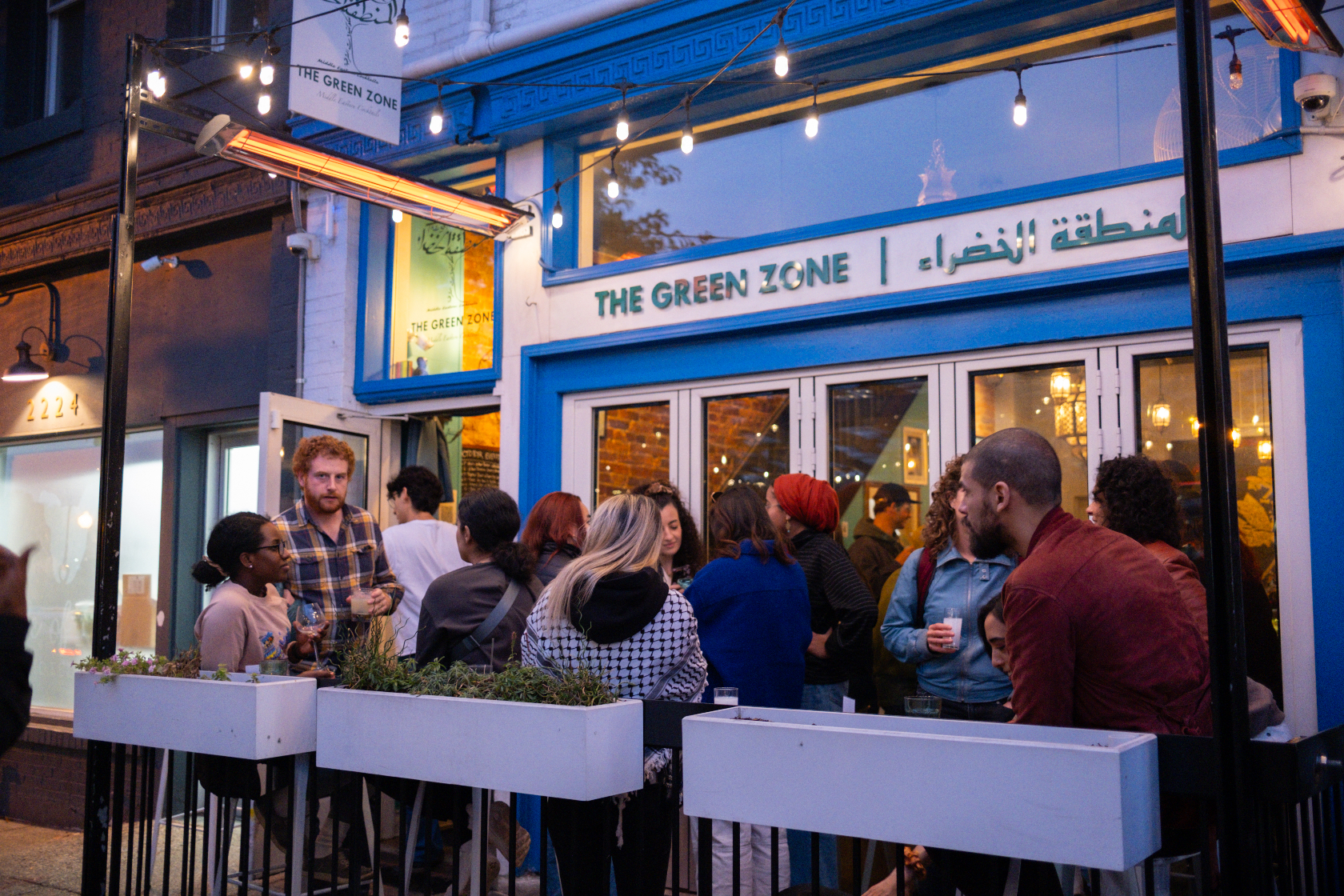
The menu had around 200 items prepared ahead of time but sold out within the first hour, says Deena. And because neither chefs nor the Green Zone are profiting from the pop-up, they were able to raise more than $4,000 in direct aid for UNRWA.
“This pop-up didn’t show me that people like Palestinian food, it showed me how much they love Palestinians,” says Deena.
Ben Lagos, who is Jewish and was raised in D.C., says one of his biggest frustrations stems from the fact that the United States continues to spend billions of dollars to fund Israel’s defense. He stood in line with his mother, Penny, who is also Jewish, to order the food and directly support humanitarian aid.
“If we’re gonna spend our money somewhere, then we want to make sure that we spend it with places and people that we support,” says Lagos.
With the success of this first food pop-up, both chefs say they plan on organizing more events in the coming days and weeks. “We know as Palestinians, our community supports us. But seeing that extend out to the greater population, is so overwhelming,” says Afram.
For Talamas, who was able to order before everything sold out, the meal hit the spot in more than just one way.
“That French onion labneh – it was exactly what the araye needed,” says Talamas. “In tough times, it’s always good to have a little taste of home. It’s comforting, and I got to share my meal with my Arab friends.”