Amanda Michelle Gomez
The D.C. Council unanimously passed emergency legislation on Tuesday that would empower city officials to penalize unlicensed marijuana gifting shops that have not applied to the city’s medical cannabis program. The bill, which takes near-immediate effect, would treat cannabis businesses similarly to how the city treats businesses with liquor licenses.
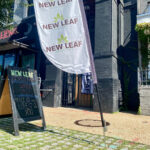
The council in 2022 expanded the city’s medical marijuana program to lift the cap on the number of dispensaries in the city and give gifting stores — which are retailers where anyone can buy, say, a sticker or t-shirt and be “gifted” weed — the opportunity to apply for a medical marijuana license. Lawmakers were trying to find a way to regulate an illicit “gray” market, one that D.C. has not been able to remedy largely due to congressional interference.
The law says gifting outlets that don’t apply for the program or meet its qualifications would be subject to civil enforcement. More than a year in, there is ambiguity over which government agency should deal with the businesses that continue to operate without a license, according to Ward 6 Councilmember Charles Allen. So Allen introduced emergency legislation that, among other things, authorizes the Alcohol Beverage and Cannabis Administration to issue warnings, fines, and cease-and-desist orders to unlicensed businesses that have not applied to the medical cannabis program.
Tamping down on gifters through steep fines can be controversial, even within the council, with people concerned about pushing the market further underground and unfairly punishing businesses owned by Black and brown locals — whose communities have historically been harmed by the war on drugs. But councilmembers are now willing to put teeth behind enforcement because they say the expanded medical cannabis program gives gifters a legal pathway to enter the market.
“This gap in the law, if not fixed, will render the onramp meaningless, allow unlicensed establishments that do not apply to keep on operating, and significantly harm the good actors that have applied,” Allen said during Tuesday’s legislative council meeting.
ABCA began accepting applications from unlicensed businesses in November; the deadline for those business to apply is Jan. 29. So far 37 establishments have done so, according to At-Large Councilmember Kenyan McDuffie, who oversees ABCA as chair council’s business and economic development committee.
The bill that passed Tuesday also authorizes ABCA and the D.C. police department to inspect an establishment’s books and records and seize cannabis manufactured or sold in violation of the program. The city’s Department of Licensing and Consumer Protection, Office of Tax and Revenue, and the Fire and Emergency Medical Services Department must also promptly notify ABCA if a licensed business violates their agencies’ rules.
The bill also authorizes ABCA to issue fines to commercial property owners if their properties continue to house illegal cannabis businesses after being issued warnings.
Dozens of gifting shops could be subject to ABCA enforcement, however, according to Allen’s office. Gifting shops and services have proliferated in recent years and are suspected to take in more than $600 million in sales annually. The agency is prepared to to implement Allen’s legislation, an ABCA spokesperson tells DCist/WAMU.
The businesses popped up after the passage of Initiative 71 in 2014, which made weed legal to possess, grow, use, and give away in small amounts. But D.C. hasn’t been able to regulate recreational weed as lawmakers would like, because since 2015, Congress has prohibited District officials and lawmakers from legalizing and regulating sales of recreational marijuana. So D.C. lawmakers found a workaround through the medical cannabis program and allowing residents to easily access a medical marijuana card.
The bill also enables Advisory Neighborhood Commissions to offer input into the licensing process, including by filing protest notices with ABCA regarding unlicensed businesses in their districts applying for medical marijuana licenses. Bars, restaurants, and liquor stores are subject to similar neighborhood input, and some liquor-licensed businesses (and the ANC commissioners that represent them) have expressed frustration to lawmakers (and DCist) that the gifting shops do not undergo public scrutiny.
During the meeting, Ward 2 Councilmember Brooke Pinto called for the bill to allow more groups of people to protest businesses applying for medical marijuana licenses, including parents of children who attend a nearby school. Multiple groups, including a nearby incorporated community association, have standing to file a protest against businesses applying for a liquor license.
The emergency bill will go into effect as soon as Mayor Muriel Bowser signs it. Allen says he hopes to ultimately pass permanent legislation, which would mean public hearings and two votes to become law, on this issue. Emergency legislation only requires one vote and mayoral review but is in effect for no longer than 90 days.
This story has been corrected to reflect that commercial property owners are subject to penalties under the emergency legislation.