Elliot C. Williams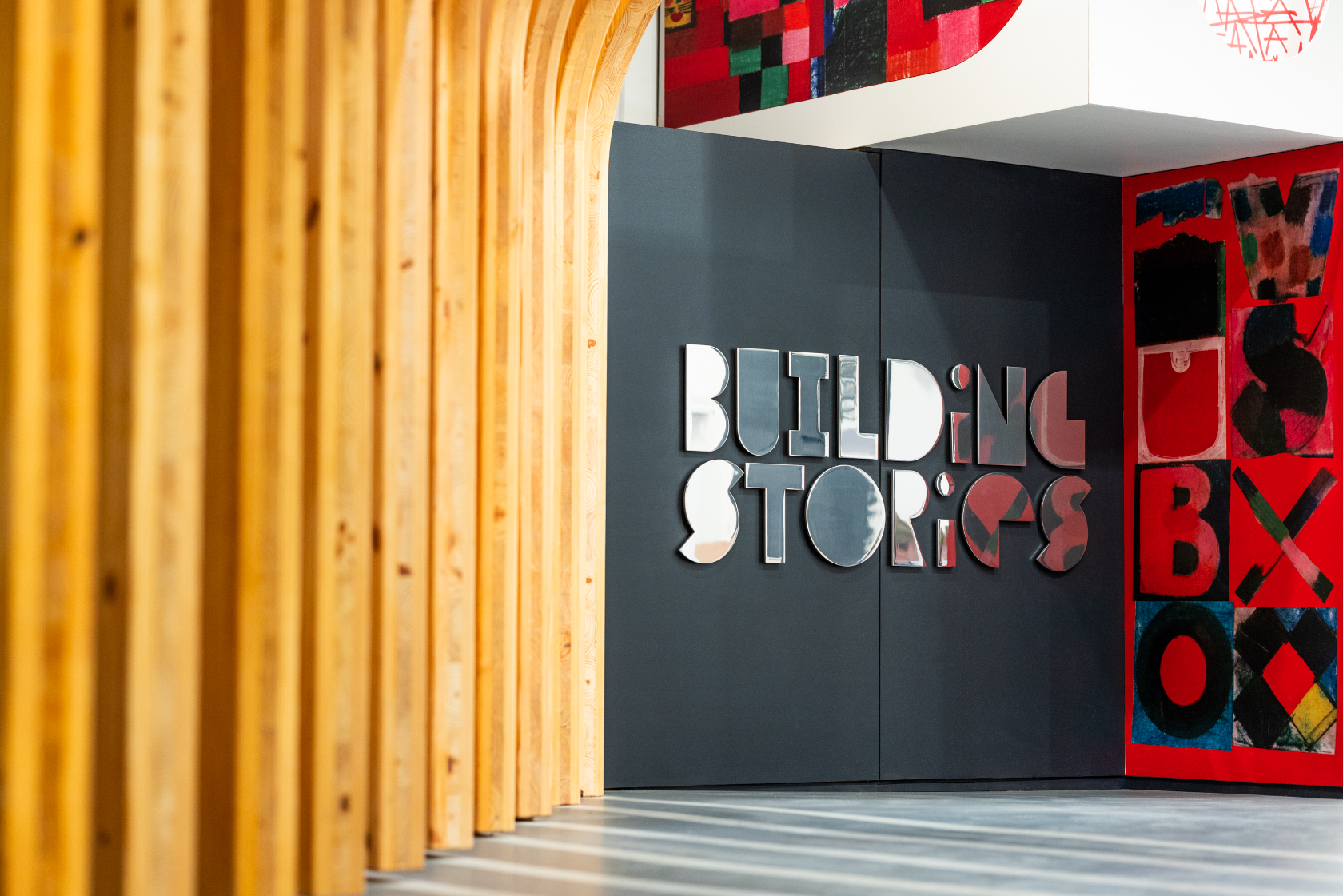
A new exhibit at the National Building Museum places visitors inside the mind of children’s book authors and illustrators, and in some cases, transports them directly into scenes from popular stories published over the past two centuries.
“Building Stories” explores the world of children’s books in four distinct galleries featuring 150 titles from across 28 countries. Located in 4,000 square feet of gallery space on the museum’s ground level, the exhibit will be on display for the next 10 years and is the museum’s first new semi-permanent exhibit in over a decade. (The last long-term exhibit, “Play, Work, Build,” opened in 2012 and is still installed.)
The Building Museum enlisted the help of authors, illustrators, and exhibit designers to bring the engaging exhibit to life. “Building Stories” is meant to draw children as well as adults, says Leonard Marcus, an author and children’s book historian who was selected to curate the exhibit after museum leadership saw a similarly themed display he curated at the New York Public Library in 2013.
“This show has so many of the attributes of what makes illustrated children’s books dramatic and engaging, and almost performative that I think it’s almost like being in a book as you look at other books,” Marcus said at a preview of the exhibit Thursday. “I think that the best children’s books are about the most basic things in life, and they talk about them in the clearest possible way. And there’s something that resonates for everyone.”
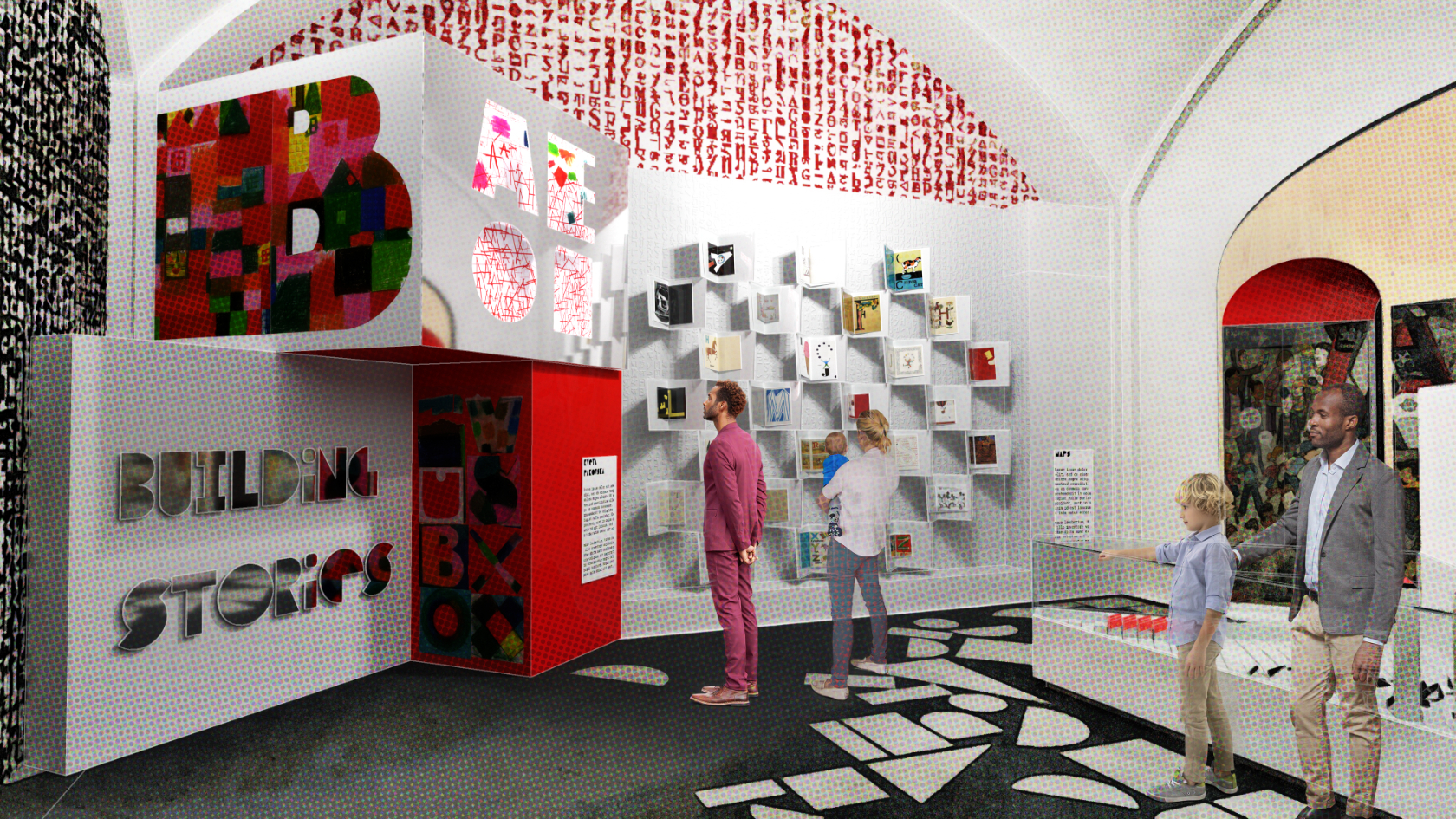
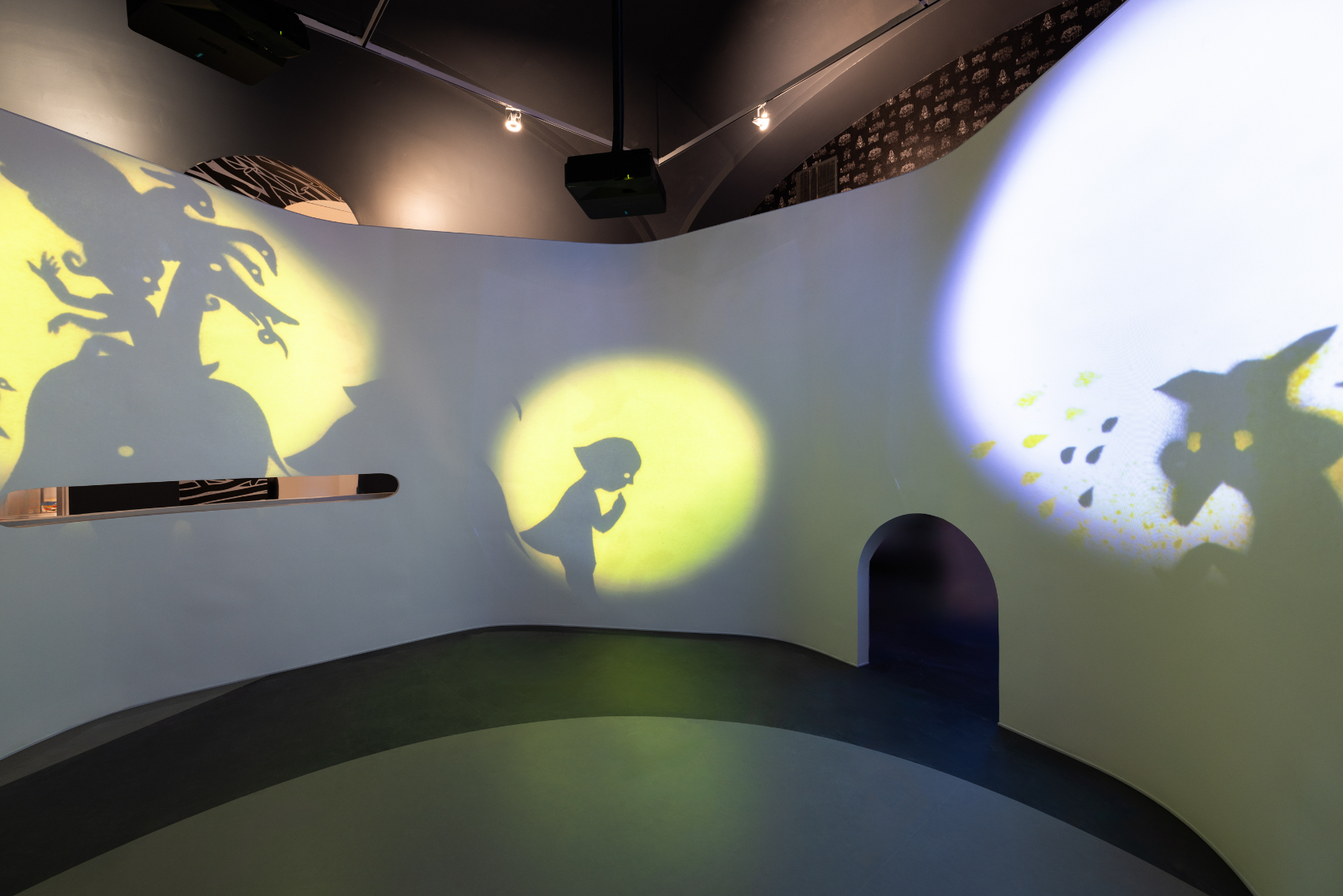
The galleries include interactive elements like knobs, video projections, screens, rotating info cards, and reading nooks where colorful speakers read stories aloud. While the connection between architecture and books for young readers may not be immediately apparent, the concept becomes clear as visitors make their way through the show’s four sections:
- “Building Readers,” an introduction to children’s books through shapes, alphabets, and other building blocks of language, drawing parallels between book creation and building design;
- “Your Home, My Home,” which interrogates the idea of “home” through a multimedia presentation on concepts found in books like Tar Beach, Shadow, and The Snowy Day;
- “Scale Play,” a “magical” portal that makes visitors feel like they are shrinking and brings up themes of navigating the world when you are small, a common idea in children’s literature;
- and the final gallery, “Wider World,” which offers a selection of children’s books to read and oversized soft blocks in the shape of letters.
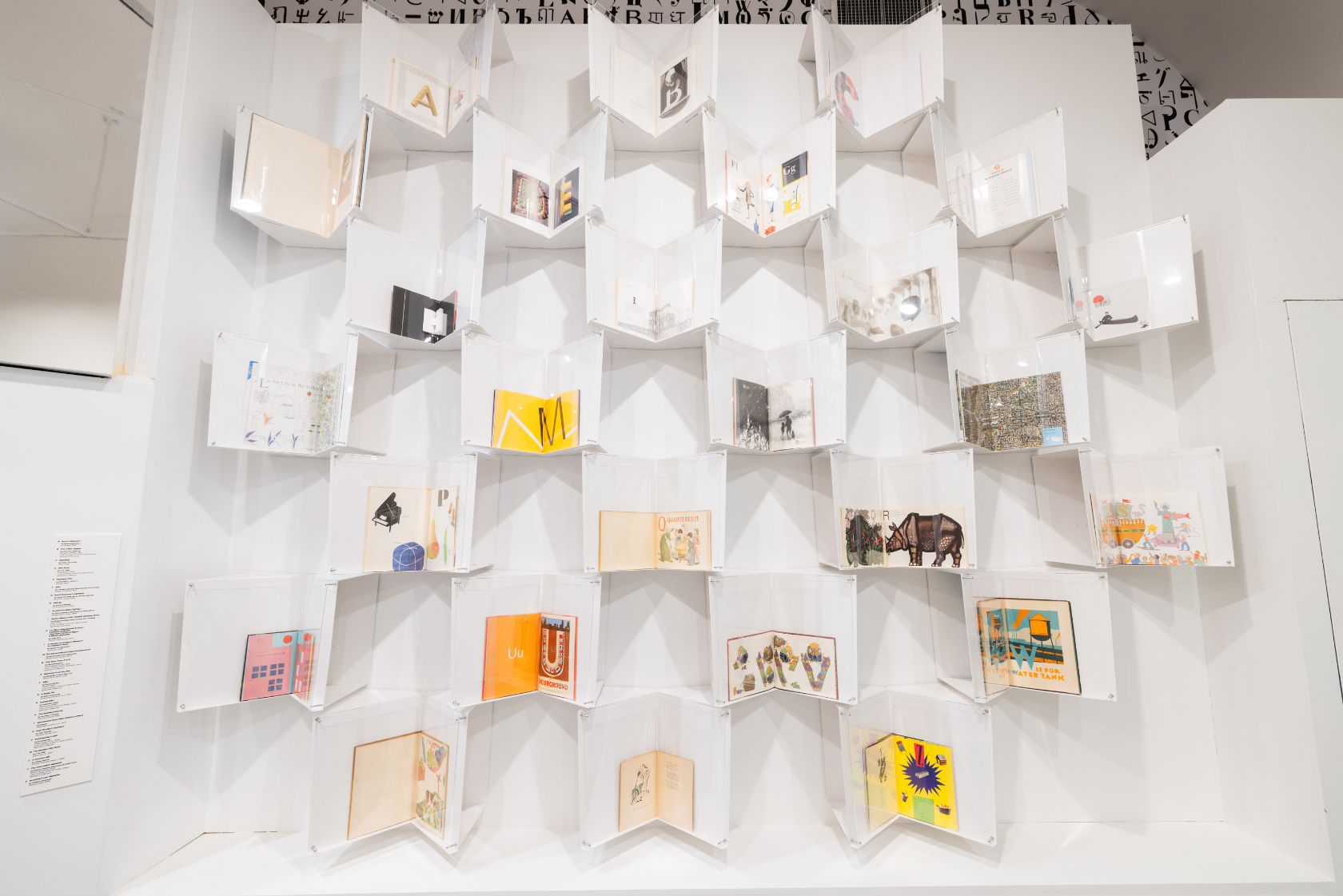
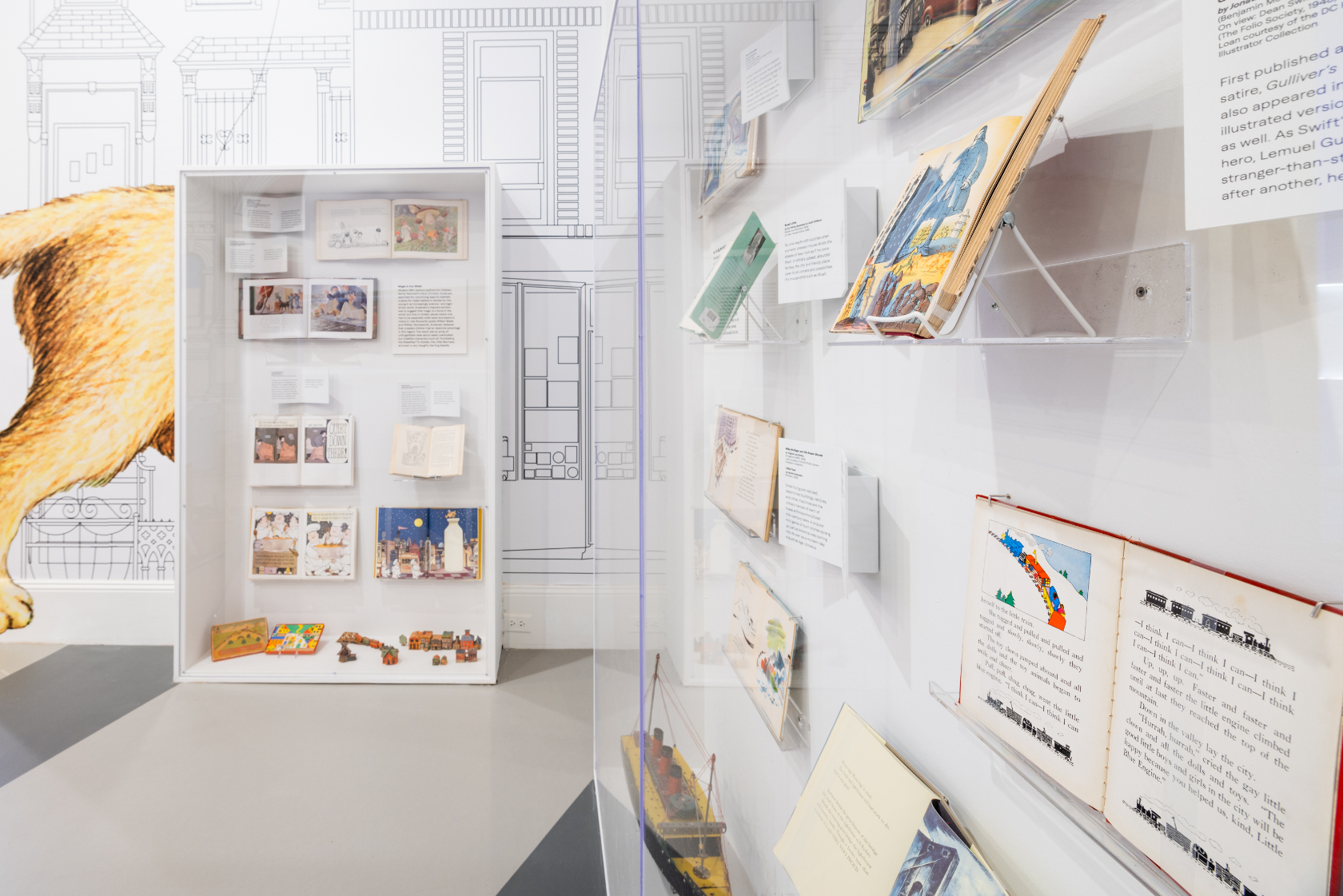
One highlight is the display of the original preparatory artwork — also called the “book dummy” — for Goodnight Moon and Hello Lighthouse. Another is a special installation of sketches and blown-up illustrations of Roman architecture that showcase the creative process for David Macaulay’s 1997 book, Rome Antics. Macaulay, whose other books “demystify” everything from the pyramids of Egypt to the New York skyscrapers, created the artwork specifically for the exhibit.
Aileen Fuchs, the museum’s director, says she hopes the exhibit will draw over 1 million visitors this year and that the museum can help anchor the revitalization of downtown D.C. Building Stories is the “most ambitious exhibition the museum has ever undertaken,” Fuchs says.
To launch it, the Building Museum will host an all-day, free community celebration on Sunday, Jan. 21. The event — which also grants visitors access to the exhibit — will offer puppet shows, giveaways, live folk music, and story times with local public figures. Free, advanced registration is encouraged.
The museum is also partnering with the D.C. Public Library and its foundation to launch the Building Readers Club, a free program that will guide children from kindergarten through eighth grade who want to continue learning about the lessons on architecture, engineering, and design found in children’s books. Access to the Building Stories exhibit is complimentary with club membership.
“Building Stories” at the National Building Museum opens Jan. 21 with a free community day from 10 a.m.- 4 p.m. Beginning Jan. 22, exhibit access will be included with general admission to the museum ($7-$10).