Morgan Baskin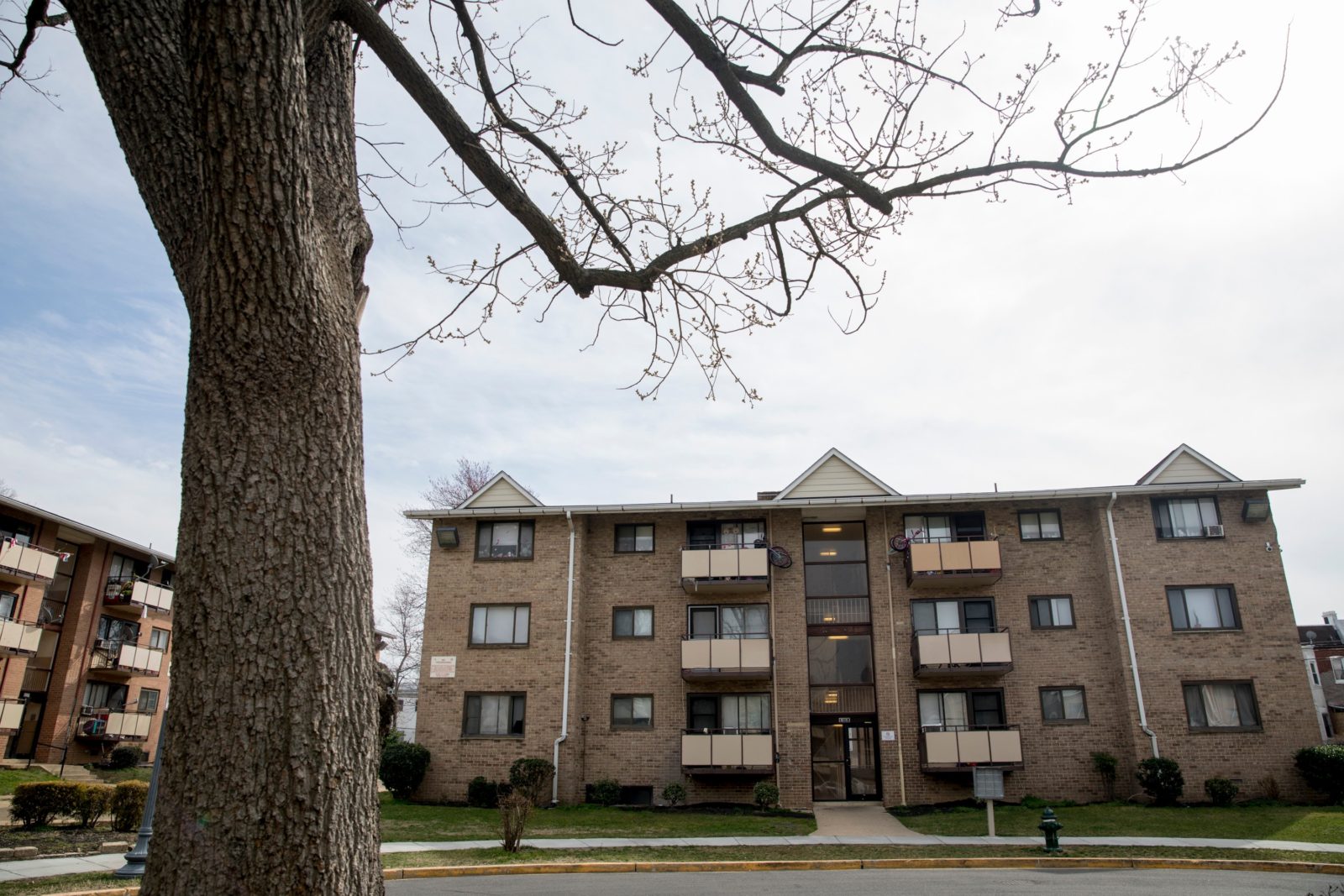
After seven years of zoning litigation, an appeals court on Thursday affirmed D.C.’s plans to develop a coveted parcel of land bound by Georgia Ave. and Irving St. NW — a long-awaited project that will allow the D.C. government to more fully realize its vision for redeveloping the aging and beleaguered Park Morton public housing complex a few blocks to its north.
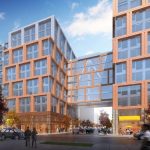
The two sites are slated to deliver more than 460 units of housing in the neighborhood.
“I am elated,” says Ward 1 Councilmember Brianne Nadeau. “And I’m hopeful that this [protracted litigation] will not happen for future projects … Because these lawsuits have been scaring off the people who build our housing, and they have been scaring off people who could otherwise do something really big and creative for the community but don’t want the threat of a lawsuit.”
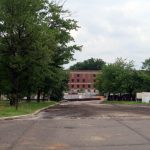
First submitted in May 2016, the original proposal for the parcel included a series of apartment buildings on the site of the old Bruce Monroe Elementary School, which was demolished in 2009; those buildings would include a roughly 90-foot tall apartment building, a 60-foot apartment building dedicated to senior housing, and eight townhomes. Those buildings would create 273 units of housing, some of which would have replaced the existing 174 units at Park Morton while it undergoes redevelopment. Some units built at the Bruce Monroe site would be affordable, while others would remain market rate. The mixed-income development will sit at the heart of a rapidly gentrifying area of D.C. that has seen average household income nearly double over the last 25 years.
D.C.’s zoning commission approved the development plans in 2017, but soon after, a group of neighbors filed a zoning appeal to contest the approval. The group argued that the development plans don’t align with the neighborhood’s existing footprint, and that the buildings would block light and generate unsustainable traffic. The Court of Appeals initially agreed that D.C.’s zoning commission didn’t do enough independent analysis of the project’s potential impact on the neighborhood, arguing that the commission’s approval too closely matched the language used to describe the project by D.C.’s development team. The court asked D.C.’s zoning commission to address seven issues with the development, and the city has worked to respond to the court’s concerns ever since.
The appeals court order published Thursday found that the D.C. Zoning Commission’s newer analyses of the Bruce Monroe proposal “are reasonable, that the Commission adequately explained its decision to grant the [development] application, and that the decision is supported by substantial evidence.” (In February, the same residents who fought the development filed a motion with the court to rehear the case. The court has not yet issued a judgment or scheduled a hearing date.)
Efforts to redevelop Park Morton precede even the current redevelopment proposal. The complex was one of four public housing properties identified in D.C.’s New Communities Initiative, a program launched in 2005 that aimed to revitalize complexes that have experienced disinvestment and poverty. Central to the New Communities Initiative was the mandate to “build first,” a model that aims to prevent resident displacement by using offsite land to build new housing that existing residents could live in while their former homes underwent redevelopment.
Park Morton residents initially expected to move into the new apartments promised at the Bruce Monroe site. But neighbors’ zoning challenge to the Bruce Monroe plans delayed construction, and by 2020, the DC Housing Authority began offering Park Morton residents vouchers to move off of the property instead — a decision widely seen as an acknowledgement that housing at Bruce Monroe was no longer a guaranteed part of the redevelopment plan. Enough Park Morton residents have since left the complex that D.C. has moved forward with redeveloping parts of that campus, even as development of Bruce Monroe has stalled.
“With this project, it was very disheartening to know that the result of [the zoning challenge] was displacement of Black and brown people. And we’re talking about families, people with children, who have the right to affordable, quality housing,” says Rashida Brown, an advisory neighborhood commissioner who has represented the district containing Bruce Monroe since 2015. “I want to uphold the existing community benefits agreement that was included in the [development plan] and that was negotiated by the community and with the city. So my my goal is to ensure that those promises are fulfilled.”
Nadeau says she is meeting with the site’s development team on Monday to discuss financing options, and spoke with Mayor Muriel Bowser on Thursday evening to “reaffirm [her] commitment to this project.”
“I know that this is going to be something we will be very focused on this budget cycle,” Nadeau says.
This story has been updated to note a new filing in the D.C. Court of Appeals.