Jacob Fenston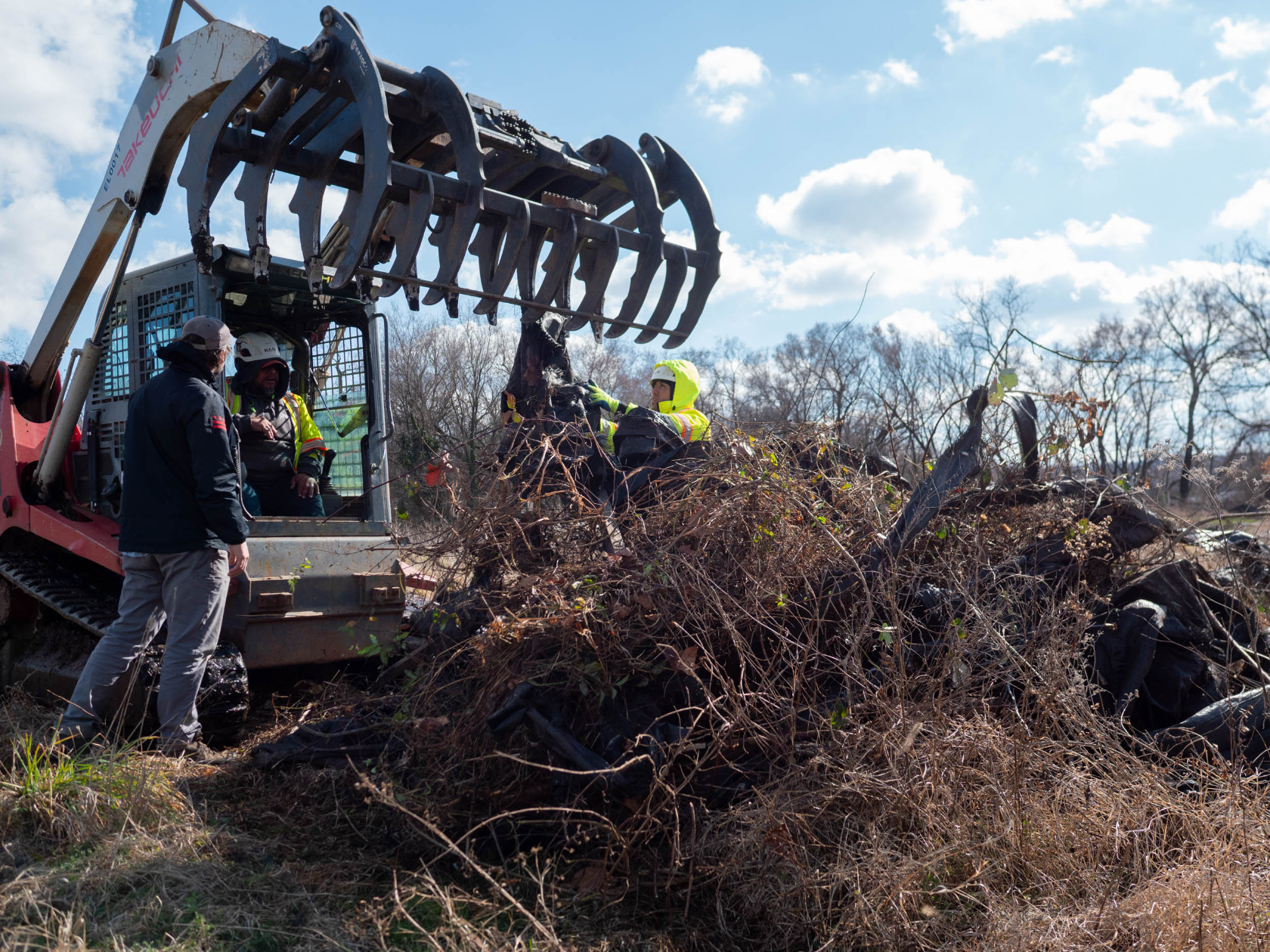
D.C.’s Kingman Island is closed to the public this week, through Friday, Feb. 16. It’s part of a long-term environmental restoration project on the island park in Ward 7.
“For many years, Kingman Island was used as sort of a dumping ground, a landfill,” says Lee Cain, land manager with the District Department of Energy and Environment.
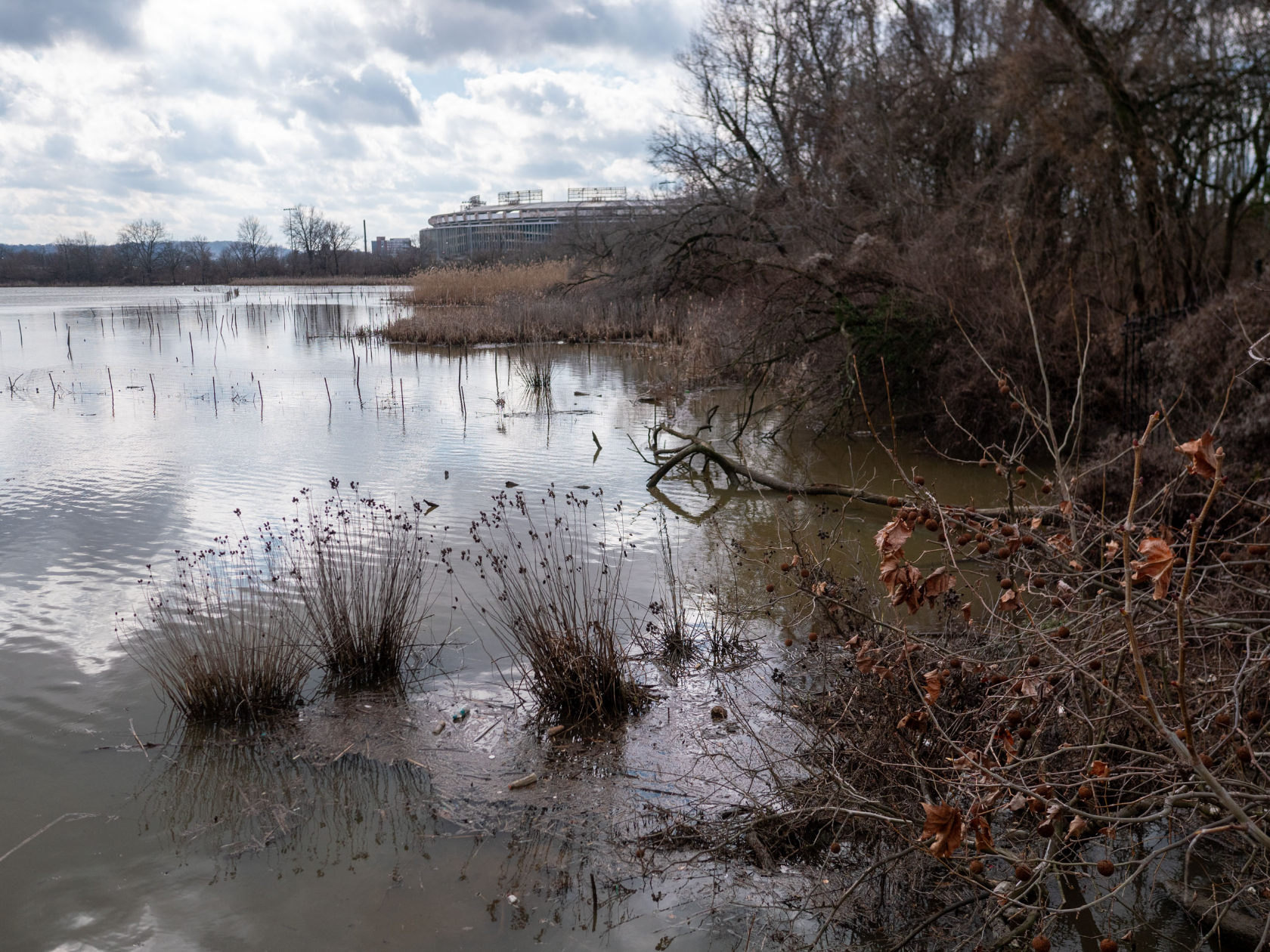
Kingman is a long, skinny, man-made island in the Anacostia River, stretching about 1.5 miles, from the National Arboretum to RFK stadium. It was built by the Army Corps of Engineers roughly 100 years ago from sediment dredged up from the bottom of the river — part of an attempt to deepen the silted-up river. There were plans in the early 20th century to turn it into a manicured park, but those were never realized.
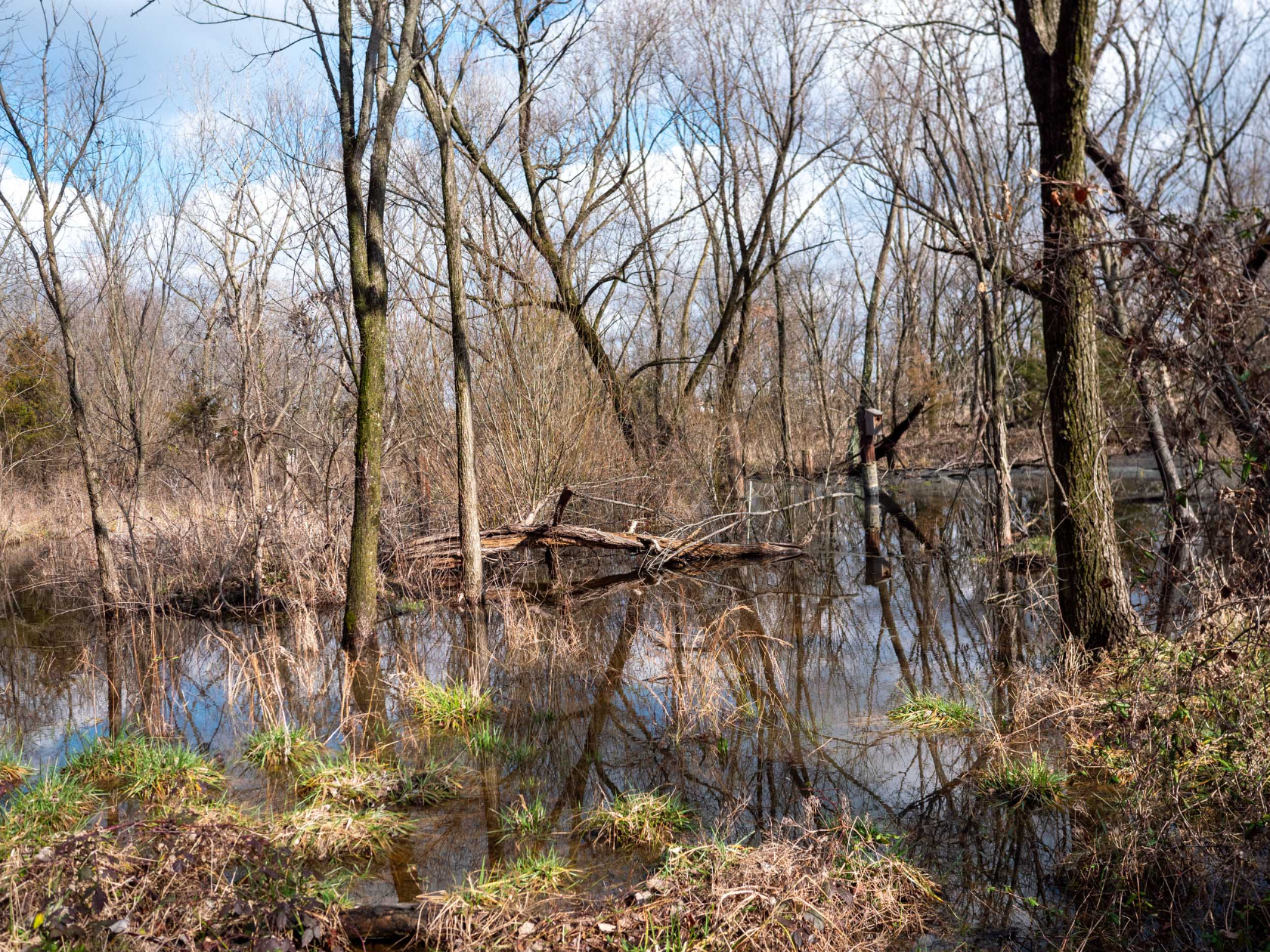
Instead, the island became a semi-abandoned wild place in the middle of the city. In the 1990s, the District took over the 40-acre island from the federal government, and has been slowly transforming it into an urban oasis for people and wildlife. These days, some 100,000 people visit the island each year, including about 20,000 children participating in outdoor education programs.
Hidden in the woods, there are still many clues to the island’s past. Cain leads the way through thick brambles to explore some of the debris that’s decomposing just out of sight.
“I’m guessing that might be a refrigerator,” Cain says, pointing to a rusting metal box. “It’s hard to say after all these years.”
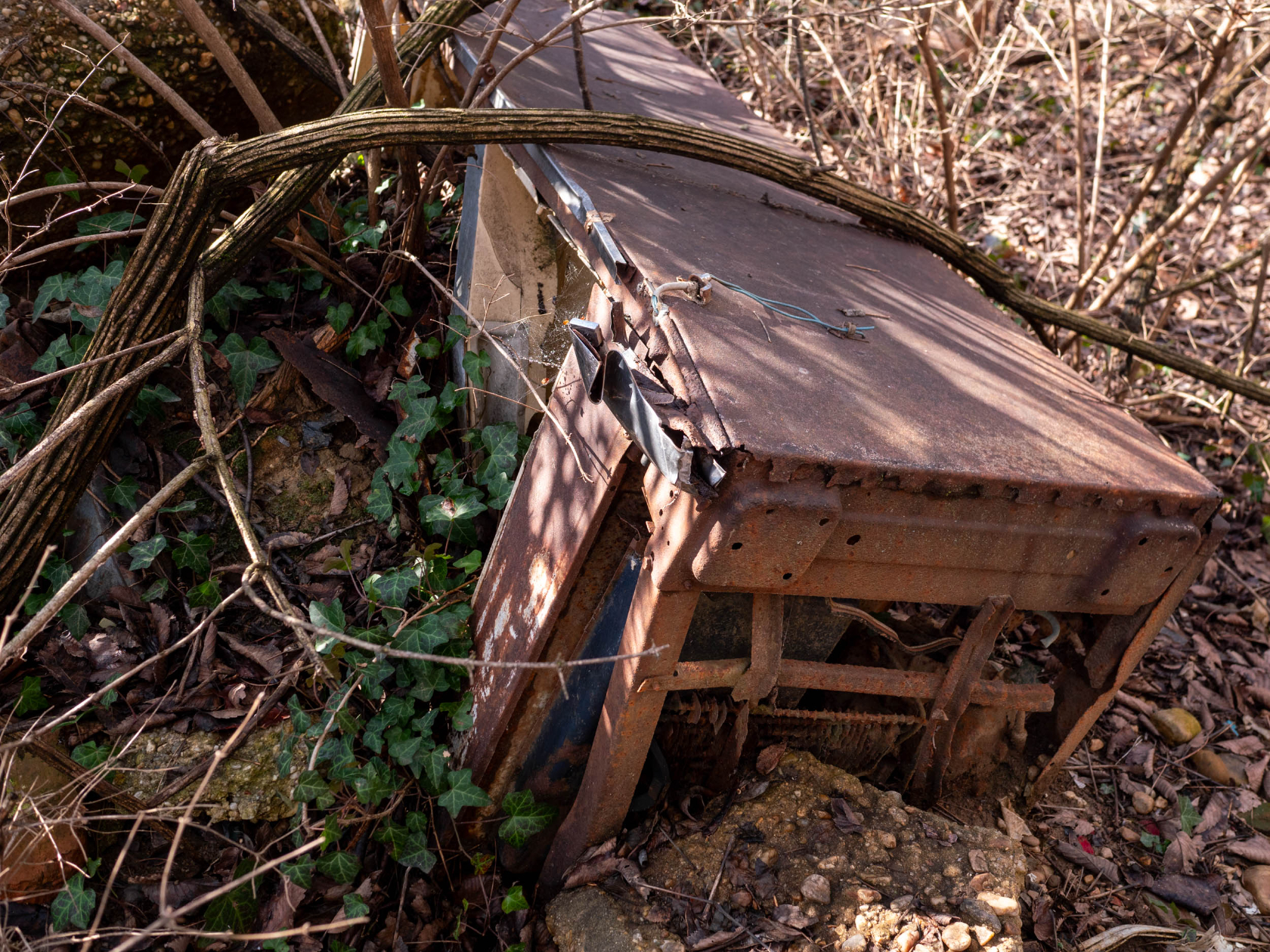
Next to the maybe-refrigerator there are several tires, and what looks like a metal shelf. Nearby there is a metal I-beam jutting out of the ground.
“I don’t know if it was official agencies — whether they were local or federal — that dumped things or just random people. I think it could have been a combination of both of those things,” says Cain.
Contractors hired by the District have catalogued all the debris on the island, and this week they’re using heavy machinery to remove anything that is potentially dangerous or toxic. Material that doesn’t pose a hazard will be left behind — concrete for example.
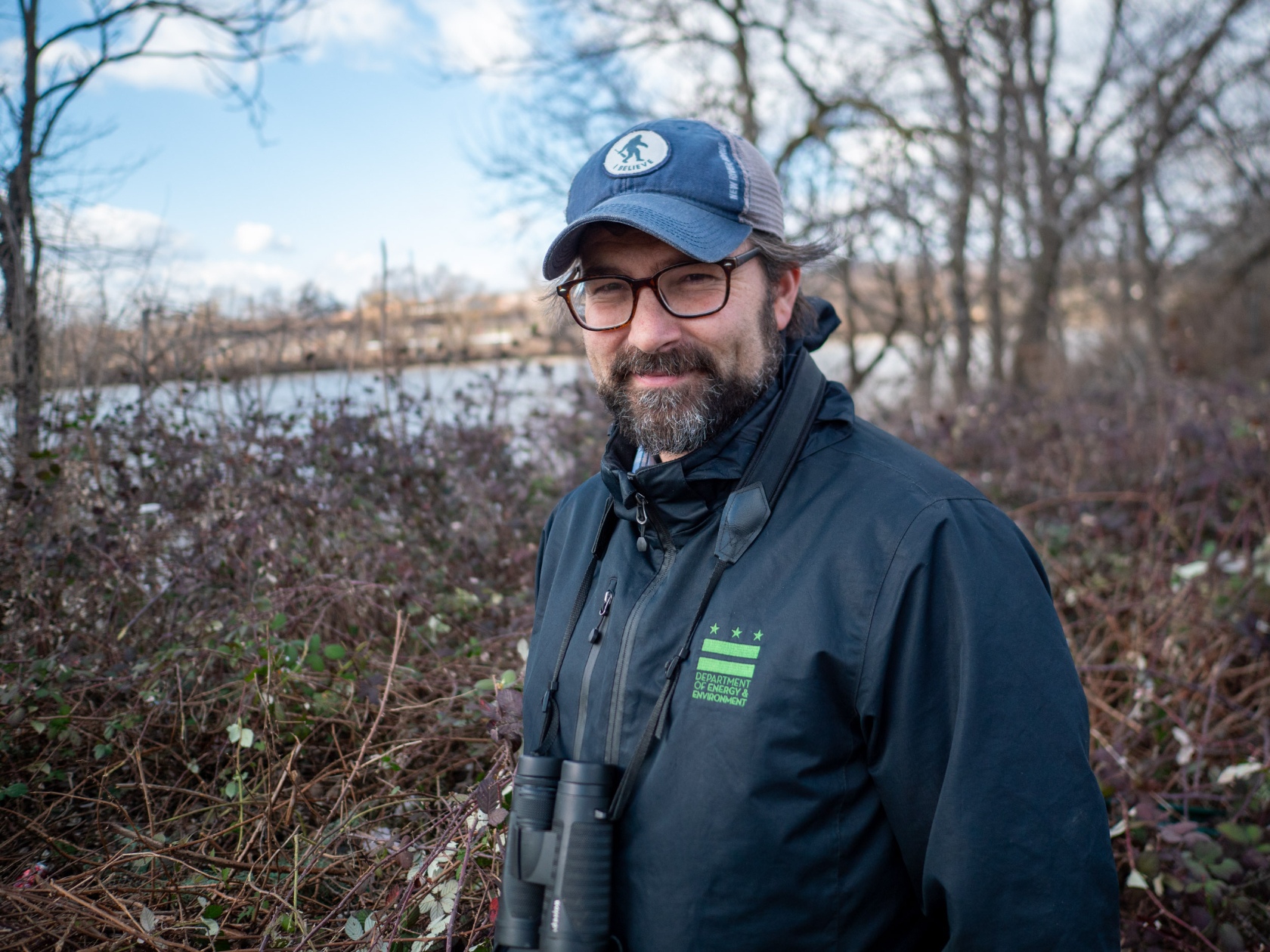
“We’re not removing concrete because it’s kind of inert. In fact, it’s kind of like a rock — it would provide habitat,” Cain says.
The biggest category of debris that’s being removed is creosote-soaked telephone poles. There are between 60 and 90 of them, stacked in piles hidden among the trees. You might easily mistake them for downed trees, until you get close and smell the toxic creosote.
Creosote is a chemical derived from coal tar that was widely used for many decades to preserve wood — especially in things like railroad ties and utility poles. It’s unclear how the poles ended up on Kingman Island.
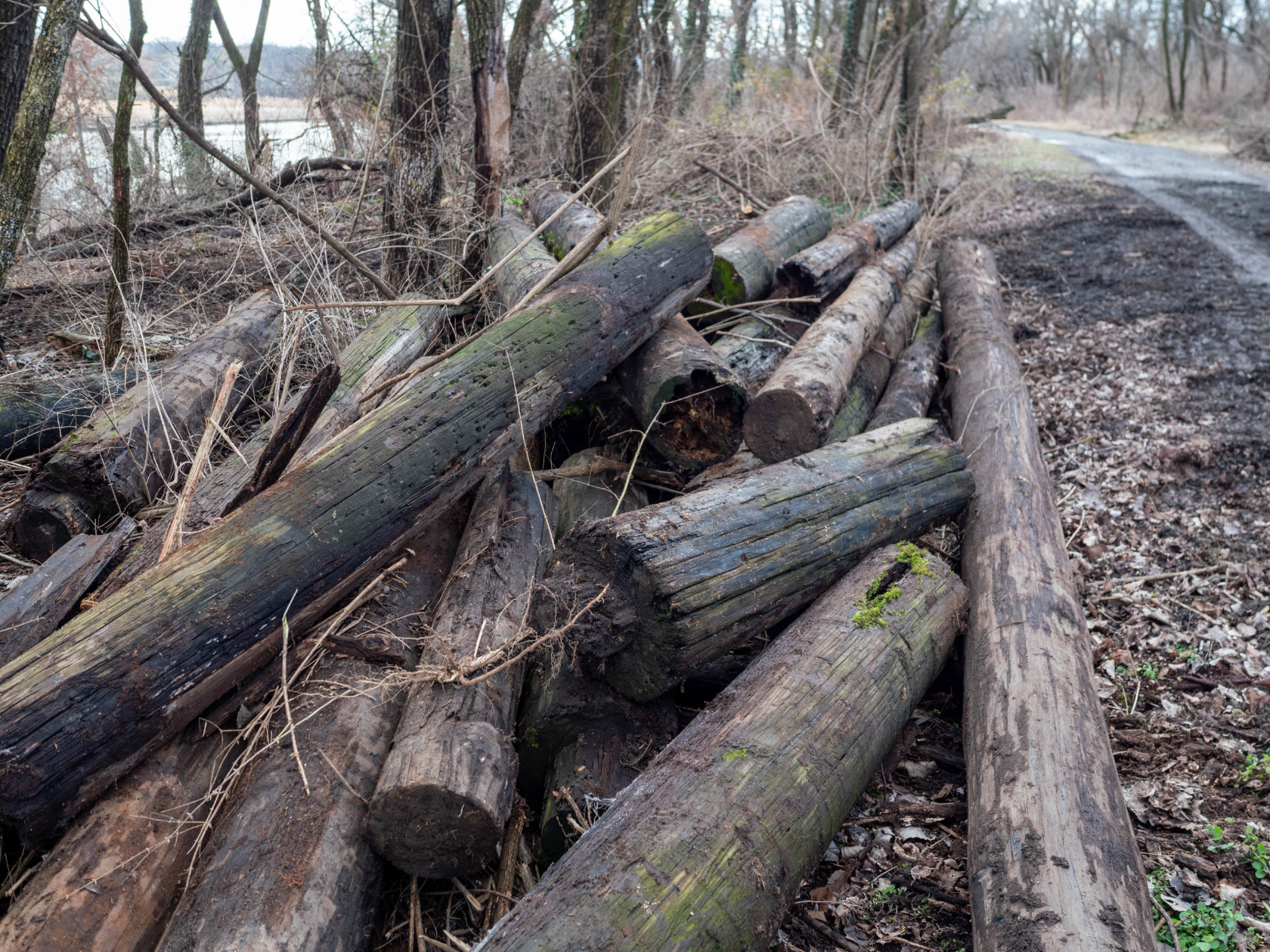
Creosote has been shown to increase cancer risk in humans exposed to it long-term. The poles likely do not pose a risk to the general public walking dogs or jogging on Kingman. But the chemical could pose a risk to wildlife, as it works its way into the soil and water.
The debris removal is in preparation for the next phase of work at Kingman Island. This includes removing invasive plants, re-seeding native ones, and eventually building an outdoor education center, pavilion, and new trails. The entire project would cost an estimated $11 million, according to a 2016 feasibility study.
Cain says it’s been gratifying to see the island change over the years — from an invasive-choked, trash strewn, forgotten place, to a place that attracts tens of thousands of people a year, where wildlife is thriving and native plants are returning.
Years ago, he says, there were a lot of skeptics that it could happen, or that it would be worth the trouble.
“I’d go to conferences or meetings with other land managers. And everyone was like, ‘Oh, Kingman Island. Yeah, you might just want to burn it down and start over,'” Cain recalls.
“Now we’re making it happen: we’re getting the invasive plants out and the natives in and getting the trash cleaned up. If we could do this in Kingman Island, we could do this anywhere. We’re hoping that this sort of sets the tone of what’s possible.”