Jacob Fenston
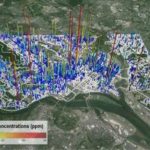
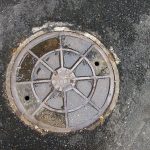
Ever notice the smell of gas wafting from manhole cover? In D.C., there is a network of more than 1,000 miles of gas pipes running below city streets. This infrastructure is old, and each year there are hundreds of leaks reported across the District. These leaks pose a danger to residents and are contributing to climate change, according to D.C.’s Office of the People’s Counsel.
The OPC, whose job it is to advocate for District ratepayers, filed a petition this week calling for an investigation of Washington Gas and its handling of gas leaks in the city.
“This is a huge safety issue, and it’s also an issue that impacts climate,” says Laurence Daniels, litigation director with OPC. “We want the most efficient system in place, that is both affordable and provides benefits to climate and to consumers overall.”
The petition was filed with the D.C. Public Service Commission, which regulates utilities in the District. According to the petition, “urgent action” is needed to “ensure the safety and reliability of the natural gas infrastructure.”
Washington Gas is currently a decade into a 40-year project to replace all the gas lines in the city, called PROJECTpipes.
But according to OPC, serious gas leaks have gotten worse, not better, over the course of the project. In 2014, there were 689 grade one leaks — these are the most serious leaks, which can cause explosions. By 2022, there were 969 such leaks.
“That is a concerning number,” says Daniels. “After 10 years of this project, these types of leaks, in particular grade one leaks, should not be this high.”
A Washington Gas spokesperson declined an interview but said in an emailed statement that the company has provided D.C. with “safe, reliable, and affordable energy” for the past 175 years.
“We are reviewing and will respond to OPC’s petition as warranted,” said the spokesperson, Debbi Jarvis.
Also this week, the D.C. Council weighed in on PROJECTpipes, saying that the pipe replacement program is unnecessary, too expensive, and out of step with the District’s climate commitments.
“PROJECTpipes does not align with the new, fossil-free future that the Council has charted,” reads a letter signed by ten of the council’s 13 members.
Washington Gas is seeking approval of $672 million in surcharges on ratepayers over the next five years to pay for the next phase of PROJECTpipes.
The District has a goal to zero out carbon emissions by 2045 — a major transition that would require the end of most fossil fuel use, including natural gas. Natural gas is mostly methane, a highly potent greenhouse gas. Methane contributes to climate change both when it’s burned, releasing carbon dioxide, and when it leaks from pipes and floats up into the atmosphere.
The councilmembers argue that Washington Gas (and its ratepayers) shouldn’t be investing heavily in new gas pipes for the next three decades when the city is aiming to phase out fossil fuels before then. Rather than replacing all the pipes, Washington Gas should repair them, the councilmembers say.
This is not the first time OPC has called for an investigation over gas leaks. In 2021 and 2022, OPC petitioned for investigations but was denied by the Public Service Commission. Now, Daniels says, there are two new data points that should sway regulators: the council’s letter and the recent increase in dangerous leaks.
“I think this time the commission would be hard-pressed to say that we don’t need a comprehensive investigation,” Daniels says.