D.C.’s unhoused residents already have limited resources in the face of extreme weather. A warming climate is set to make the problem much worse.
Most of the progress on reducing emissions was due to cleaner electricity, as well as a decrease in driving.

“Unhoused people are the front lines of climate change,” Sunrise DC organizer Kush Kharod told young journalists Za’Kari and Zy’Kera Tucker.
Air pollution causes much higher rates of death and illness in the D.C. neighborhoods with the highest percentage of Black residents.
The Audubon Naturalist Society, based in Montgomery County, no longer wants to be associated with John James Audubon, a 19th century ornithologist, artist, and enslaver.

Residents say bringing 250 buses to their neighborhood would be an environmental injustice, adding to the already polluted air in an area where row houses and industry are side by side.

Wealthier neighborhoods have more trees, but D.C. is doing a good job closing the tree gap according to a new analysis.
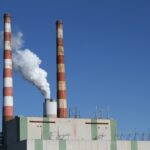
Coal-fired power plants are rapidly shutting down, unable to compete with cheaper and cleaner energy sources.
Valley Terrace, in Southeast D.C., is surrounded by National Park Service land that’s frequently used as a dumping ground. Residents want NPS to clean it up.

If you have extra seeds, you can donate them to neighbors in need.