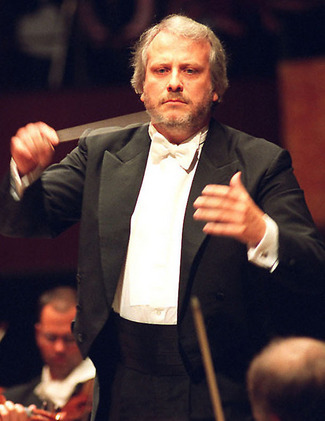
 Conductor Philippe Auguin
In 2006, when Washington National Opera opened its American Ring Cycle, few could have imagined that it would end as it did on Saturday night, with a concert performance of Götterdämmerung. After very promising productions of Das Rheingold and Die Walküre in 2006 and 2007, financial considerations delayed the staging of Siegfried by one season, to last spring, when it ended up with a troubled casting and special-effects woes. The collapse of the financial and housing market last fall was the final nail in the coffin, forcing the company to cancel the plans to mount the entire four-opera cycle this month. By all logical expectations, this doomed Ring should have come to an ignominious end, with nothing but the fact that it finally concluded to show for all the trouble.
So, imagine the surprise of everyone in the Kennedy Center Opera House — critics, subscribers, and likely even the orchestra and the cast — when this Götterdämmerung turned out to be one of the most transcendent musical experiences in recent memory. Somehow, the planets aligned and Wagner’s demanding and multicolored score leapt off the page in a vivid performance that had an excellent mixture of propulsion and timeless stasis. The pole star, the guiding force of the assembled forces was French conductor Philippe Auguin, who made quite a memorable debut at the WNO podium. The orchestra applauded him, with a loud rumble of their feet, at his first appearance, and the ovations for him from the audience at the start of the second and third acts were among the loudest and most appreciative heard for a conductor in a long time. His beat was crystal clear, his tempi consistent and well chosen, and the economy of his gesture allowed singers and players to come together in a solid and inspired performance. The sense of confidence in the pit was evident in the sound of the orchestra, which gave one of its best performances of the last several years.