 Rachel Sadon
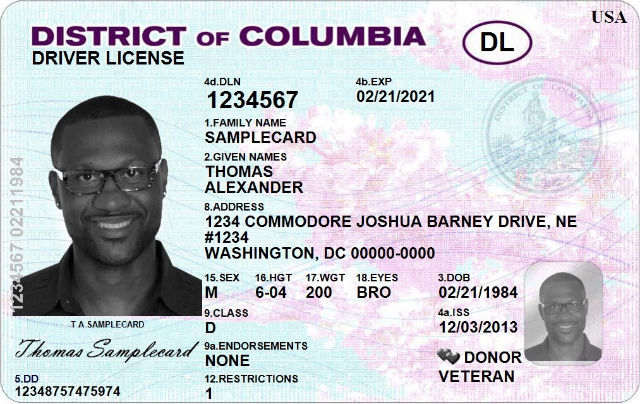 Courtesy D.C. Department of Motor Vehicles.
For most Washingtonians seeking a license for the first time, they can just show up to the DMV with their application and wait in line with everyone else. If they fail a portion of the test, they can return 72 hours later to retake it.
For undocumented immigrants, who are eligible for a limited-purpose drivers license under a plan passed in 2013, they must first sign up online, facing wait times of several months (currently, the next available time to get a LPDL is in mid-June). If they show up to the DMV without a piece of paperwork, or fail the test, they have to sign up for another appointment months in advance.
Advocates say the appointment system—on top of language and technology barriers that undocumented immigrants already face—creates an undue burden without a good cause. In the past, the DMV has said it was necessary to manage a potential large number of people seeking licenses at once.
Of the city’s roughly 25,000 undocumented immigrants, though, only about 5,000 have gotten the limited-purpose license since the system was created two years ago, according to Sarah Palazzolo, an advocacy and communications coordinator at the Central American Resource Center.
She and other advocates plan to testify this morning at a D.C. Council oversight hearing for the DMV that the current system is “an unfairly difficult process.” They say they’ve been lobbying the mayor and her administration to change the system for months, but to no avail.
Georgetown University’s Center for Social Justice conducted a study in the fall, finding that the appointment system is one of several significant barriers facing undocumented immigrants who try to obtain a limited-purpose license.
“We’re focusing on the appointment system because we feel it’s the most urgent,” Palazzolo says, though she adds that language issues are also a major concern for advocates. Over the past two years, CARECEN has filed seven complaints with the D.C. Office on Human Rights over what they say are violations of D.C.’s Language Access Act.
The DMV has not yet responded to request for comment.
“DMV has many issues serving the limited English and immigrant community, and we will continue to work to improve service,” said Arturo Griffiths, the executive director of Trabajadores Unidos, in a statement. “The request to phase out the appointment system is very simple, and it’s a matter of equity.”