 Rachel Sadon
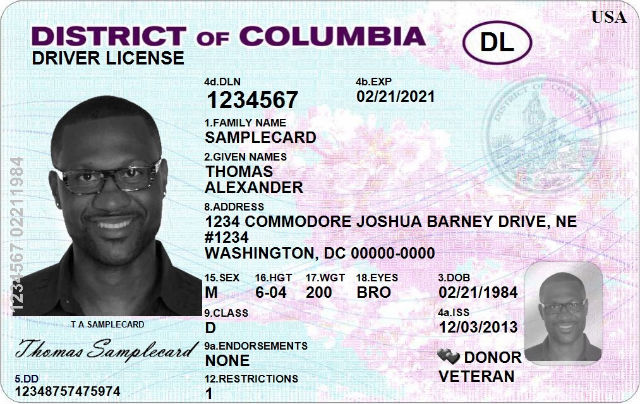 Courtesy D.C. Department of Motor Vehicles.
Amid pressure from advocates for D.C.’s undocumented immigrants, three councilmembers introduced a bill on Tuesday to make the process of getting a limited-purpose license easier. The law—introduced by Mary Cheh (Ward 3), David Grosso (At-large), and Chairman Phil Mendelson—would also mandate that the D.C.’s Department of Motor Vehicles provide a free alternative for low-income residents should it implement a mandatory training course.
The DMV announced new rules in April stating that any first-time driver in D.C. would have to spend 30 hours in the classroom and eight hours behind the wheel before getting a license. But after complaints that those courses, which can run upwards of $1,000, would present a substantial burden for many residents, they “indefinitely suspended” the requirement.
Advocates welcomed the introduction of the “Driver’s License Fair Access and Equality Amendment Act of 2016,” which mandates that any training requirements include free resources for low-income residents. It also addresses complaints that the process for obtaining a limited-purpose license is cumbersome and unfair.
While those seeking a regular license can just show up to the DMV, undocumented immigrants seeking a limited-purpose license must make an appointment months in advance. It is “an unfairly difficult process,” said the Central American Resource Center’s Sarah Palazzolo.
In a budget hearing, the D.C. Council’s transportation committee heard similar testimony from immigrant and civil liberties groups. But DMV Director Lucinda Babers said the agency would be overwhelmed if they did away with the appointment system.
“There are improvements DMV would like to see made to the appointment system that could enable it to work better such as limiting the ability to schedule multiple appointments at once and prompting residents to cancel appointments they may not be able to attend,” Vanessa Newton, a spokewoman for the DMV, told DCist via email. But their current attempts to fix the issues, she said, have actually “caused additional customer inconveniences.” The agency is also looking at creating a temporary service center that is dedicated specifically to serving people seeking a limited-purpose license, Newton said.
Should the law pass, it would require the process be “substantially equivalent” to that of any other license, though it doesn’t clarify exactly what that process should look like.
The legislation “is a way to clarify that the appointment-only system for limited purpose licenses is no longer acceptable because it is not equivalent treatment. The agency cannot say that the 4-6 month wait for undocumented residents is equivalent to a 3 day waiting period for citizens,” says Kelly Whittier, a spokeswoman for Cheh. The law also officially classifies he DMV written test, study materials, and other documents as “vital documents” under the District’s Language Access Act, meaning those materials must be provided in other languages.
“The current DMV process places unfair burdens on immigrants and other low-income residents,” said Arturo Griffiths, the executive director of Trabajadores Unidos, in a statement. The legislation “will provide equal treatment.”