 Rachel Sadon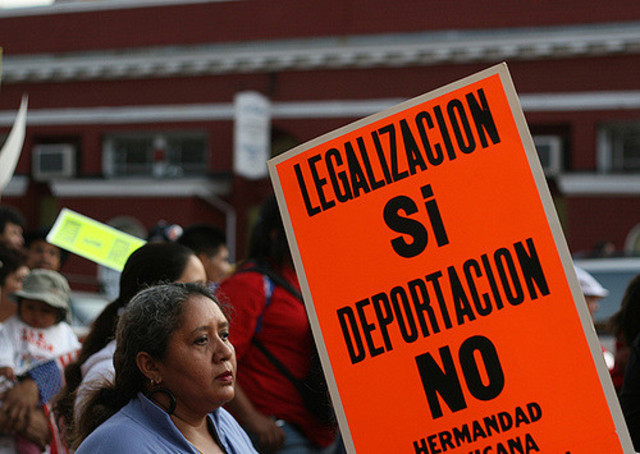
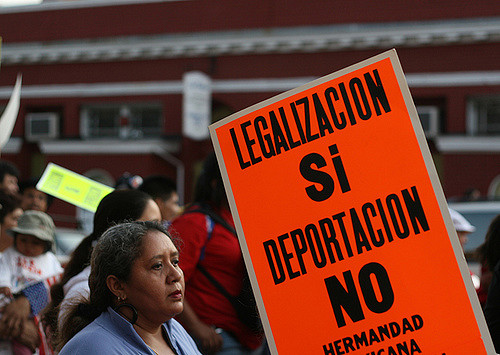 (Photo by Yonas Hassen)
Following in the footsteps of several big city mayors around the country, Mayor Muriel Bowser announced the creation of a fund to serve immigrants in D.C. facing or fearing deportation. Her office is allocating $500,000 in new grants to groups that provide an array of immigration services.
“In November, I reaffirmed Washington, D.C.’s status as a sanctuary city, and now we are doubling down. We must ensure that all District residents can take advantage of their federal and constitutional rights,” Bowser said in a statement.
Both non-profits and private law firms are eligible to apply for funding from the new Immigrant Justice Legal Services Grant program. The grants will be distributed in amounts of up to $150,000 to fund programs that could include: conducting “know your rights” workshops, providing legal help for family reunification efforts, preparing asylum applications, and representing D.C. residents in deportation hearings. Funds could also be used to file lawsuits that “may become necessary” to challenge government programs that utilize DACA information to deport people.
Mayors in Los Angeles and Chicago similarly announced $10 million and $1 million funds, respectively, to provide legal assistance for immigrants facing deportation.
But while L.A.’s Eric Garcetti explicitly tied the creation of the fund to “the dangerous rhetoric of the election,” the Bowser administration has been much more reluctant to pitch the new program as a response to fears about the incoming administration.
“Mayor Bowser’s commitment to all immigrants in the District of Columbia is that they are treated with dignity and respect and that is why we have worked tirelessly to provide services to immigrants in all eight wards,” said Jackie Reyes, the director of the Mayor’s Office on Latino Affairs. “The timing doesn’t matter because our commitment is all year round, every day.”
Of the city’s roughly 70,000 immigrants, an estimated 25,000 are undocumented.
During his first extensive post-election interview, Trump promised to immediately deport somewhere between two million and three million undocumented immigrants, and reaffirmed his commitment to building a wall (he’s now trying to delude Americans into believing that Mexico will reimburse the U.S. government for it).
In general, Bowser has been noticeably less outspoken in the wake of the election than her counterparts in other major U.S. cities. While New York’s Bill de Blasio and Chicago’s Rahm Emanuel held large press conferences reiterating their commitments as sanctuary cities within days of Trump’s win, Bowser issued a three-sentence statement a week later.
In addition to symbolic power, sanctuary cities typically bar local law enforcement officers from asking about immigration status during routine stops and limit cooperation with federal authorities for deportation orders. D.C.’s policy dates back to the mid 1980s.
After activists angrily confronted Bowser about what they believe was a too-tepid response, the mayor held a citywide phone call to discuss immigration issues.
Still, the mayor’s signature was conspicuously absent from a recent letter, sent by a coalition of big city mayors that Bowser is a member of, urging protection for the Deferred Action for Childhood Arrivals program. Her office chalked it up to paperwork issues.
“The mayor realizes that the community has fear right now,” says spokeswoman Susana Castillo. But as for providing legal services and other help for immigrants, “[the Mayor’s Office on Latino Affairs] has been working on this for many, many years. This is not something new that the administration is doing. She just wants to make sure that people have the resources to solve or invest in their immigration cases.”
Trump has threatened to retaliate against cities that offer sanctuary policies, and House Republicans have wasted no time in moving to strip federal funding from such jurisdictions. In D.C., that could amount to $3 billion, or about 30 percent of the city’s budget.
If the mayor’s office is worried about such threats, they are keeping a tight lid on it. “As you know, the mayor met with Donald Trump and they have a good relationship right now. We’re looking forward to working with the upcoming administration,” Castillo says.
Bowser plans to discuss the new program tonight when she unveils her second accountability report. The request for applications will be released on January 23, and responses are due February 24. The administration hopes to begin dispersing the funds in April.