Ally Schweitzer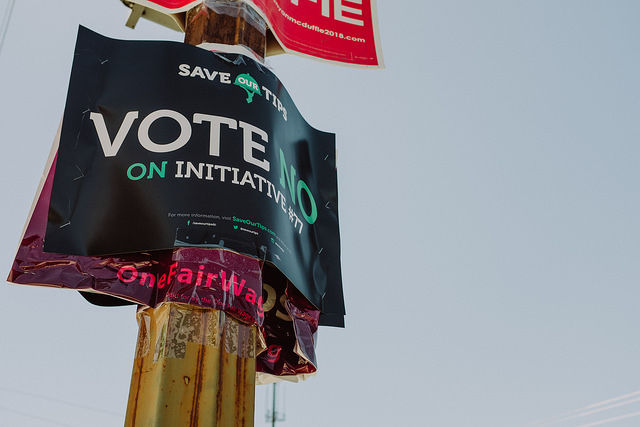
 Photo by kelly bell photography.
As D.C. lawmakers appear poised to overturn Initiative 77, some D.C. councilmembers are making a last-ditch effort to strike a compromise.
At-large councilmember Elissa Silverman says she’s working with Ward 3’s Mary Cheh on a bill that would salvage pieces of the ballot measure, which has been at the center of an uproar since it passed with 56 percent of the vote in June.
Initiative 77 gradually raises the minimum wage for the city’s tipped workers — who currently earn $3.89 an hour, plus tips — to $15 by 2025. Restaurant owners and many workers have fought the referendum, saying increasing employers’ costs would force them to slash jobs, co-opt workers’ tips or go out of business.
A majority of the D.C. Council backed legislation to repeal Initiative 77. On Tuesday, lawmakers are expected to vote on an emergency bill that would stop the wage hikes from going into effect on Oct. 9, as the ballot initiative requires. They’re also planning to vote on a permanent repeal.
Silverman says her compromise bill — which she wants to introduce Tuesday, although it’s not yet on the Council’s agenda — would address wage theft and sexual harassment without imposing an across-the-board wage hike.
The compromise would only raise wages for employees such as food runners, bellhops, parking valets and table bussers. Bartenders and servers, who tend to earn more than other tipped workers, would get either a smaller raise or none at all. Friday afternoon, Silverman said the bill’s language was still being finalized, but her priority is to make sure the most vulnerable workers benefit.
“We can either get nothing, if this bill is repealed, or we can get something. I want to get something,” Silverman says.
The compromise makes additional provisions that respond to feedback Silverman has received from restaurant owners and workers. It establishes a website and anonymous tip line for employees to report wage theft to D.C.’s Department of Employment Services; puts in place rules that require employers to inform workers about their right to a minimum wage; requires mandatory sexual harassment training; and creates a fix to the city’s existing tip reporting system, which owners say is inefficient.
Silverman is also considering building in an incentive that would incentivize restaurant owners to open East of the Anacostia River. Ward 7 councilmember Vince Gray has said he’s concerned Initiative 77 would discourage restaurant growth on the city’s east side.
Supporters of Initiative 77 have said that phasing out the subminimum tipped wage would make workers less dependent on tips to earn a living, which could reduce sexual harassment. They also argue that it would bring transparency to a tipped-wage system that is complicated and difficult to regulate.
Diana Ramirez, who leads the organization that got Initiative 77 on the ballot, says she’s been working with Silverman on the compromise.
“Even though it’s not what we want, it’s something we’re going to have to accept in order to get one fair wage for the most amount of tipped workers as possible,” says Ramirez, director of ROC-DC.
But it’s unclear whether Silverman has the support she needs to get the compromise passed. As of Friday afternoon, the bill had tentative support from three Council members in addition to Silverman and Cheh. Seven others either didn’t respond, said they needed to review the bill or pledged to repeal. Chairman Phil Mendelson, who backs full repeal, is not expected to support a compromise.
Supporters of Initiative 77 say raising the tipped wage wouldn’t devastate businesses or earnings like opponents say it would, and that repealing the measure would be undemocratic. Many restaurant owners and workers say they’re not interested in a compromise and want a full repeal.
If Initiative 77 is overturned, Ramirez says ROC-DC may launch another full-blown campaign to raise tipped workers’ wages in the coming years — either another ballot initiative or legislation, if she can get support for it on the council. She’s especially focused on sexual harassment in the restaurant industry, as energy builds in the #MeToo movement.
“I don’t see this dying down,” she says. “We have to keep going.”
Martin Austermuhle contributed to this report. This story originally appeared on WAMU.
Previously:
Should Initiative 77 Be Repealed? Marathon Hearing Stretches Into Wee Hours
Here Are The Big Issues The D.C. Council Plans To Tackle When It Returns
Members Of Congress Are Sticking Their Noses In Initiative 77 Battle
Seven Councilmembers Co-Introduce Bill To Repeal Tipped Minimum Wage Ballot Initiative
D.C. Voters Approve Initiative 77, Ballot Measure That Eliminates Tipped Wage