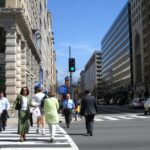
 Although plenty of older D.C. residents can tell you about times when it was different, when streetcars ran through the neighborhoods and the city strained under the bustle of over 700,000 souls, it’s been some time since the District had to deal with anything so perplexing as an uptick in its population. As recently as 1990, Washington had over 600,000 residents, a number which had fallen by the 2000 Census to around 570,000.
Back in December, the Bureau of the Census released one of its annual intercensal population estimates, and on the face of things there was nothing to suggest a renewed interest in life, District style. From July of 2004 to July of 2005, around 3,700 Washingtonians packed up and left, or otherwise ceased to live in D.C., and were not replaced by new in-migration, bringing the latest estimate of the city’s population to just over 550,000. The change, while not surprising, is still perplexing. Where other metropolitan areas around the country are stagnating or shrinking, the Washington area looks like a sunbelt town, bursting at the seams and coping with strain on every aspect of local infrastructure. At the same time, the District has shared in the drastic nationwide drop in urban crime, and much of the city is dotted with construction cranes and placards announcing new development. So what gives?