 Doilies make things look precious, dainty and cute, like snowflakes without the hassle of puddles. They look good on mantels, under candelabra and posh clocks. But doilies made from cheap paper simply look tacky when they frame paintings — exactly the look Marcel Duchamp wanted when he hung the Société Anonyme’s first show in New York in 1920.
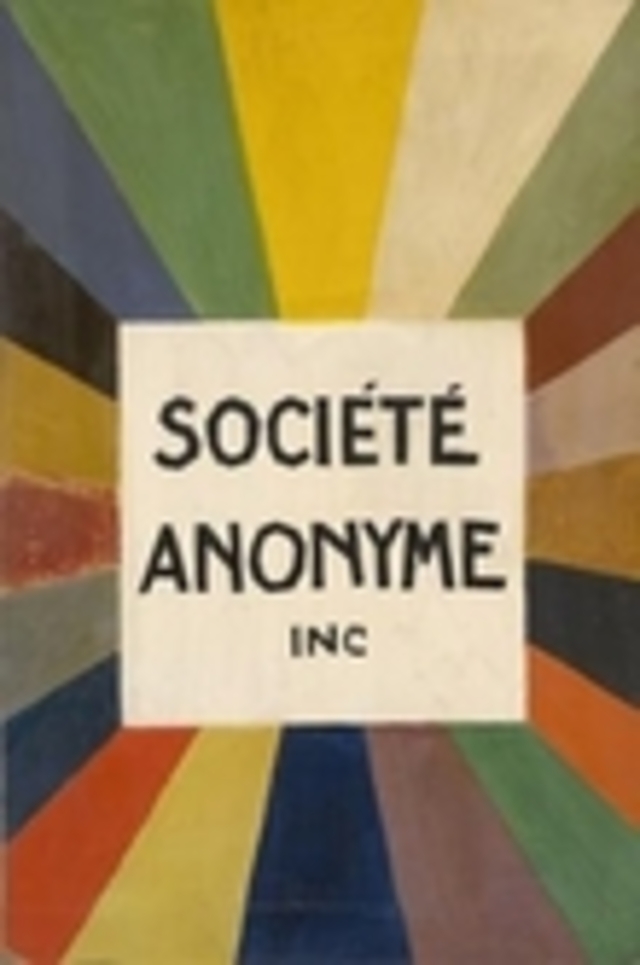
The Société Anonyme: Modernism for America, currently showing at the Phillips Collection, is the first visiting show of the Société’s work, which was donated to the Yale University gallery in 1941. The show replicates Duchamp’s curatorial conditions, from the floor mats to the doilies. Although the upstart rapscallions of their day, the works by artists like Kandinsky, Miró, Mondrian, Brancusi, Calder, Ernst and Léger now feel disappointingly tame—like stuffed tigers in a natural history museum.
The exhibit raises similar questions as the Dada show (which we visited). How are viewers to respond to art that has become canonized in the museum world, when it was launched as anti-art (Duchamp famously said of Fountain, “I threw the urinal in their faces and now they come and admire it for its beauty”)? Wouldn’t Duchamp be furious to see how he has become the very establishment that he meant to critique? And if he would be satisfied, does that not prove that he was simply a publicity-crazed fraud?