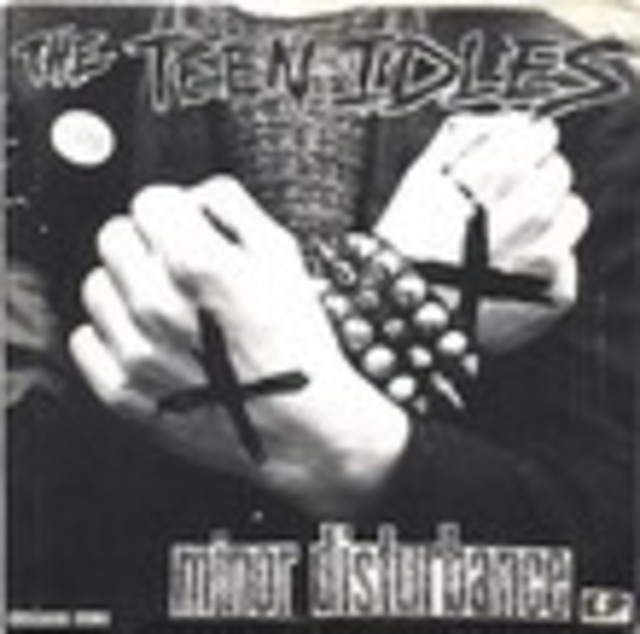

This week’s announcement by D.C. Council Representative Jim Graham that he would seek emergency legislation banning minors from bars and nightclubs has met with some fierce debate. In fact, it’s being debated as we speak. But beyond the impact on places of business, much of the fallout will come down on the city’s cultural community: musicians, theatre companies and artists who often use these establishments for concerts, benefits, plays, and shows of all kinds. The opportunity to make these events open to all means their reach carries farther, and provides a lot of kids with culture they may otherwise miss out on, as well as fostering a sense of community early in life.
It comes as no surprise, then, that members of D.C.’s music community have been quick to respond.
Dischord Records offered up the following response from label employee Alec Bourgeois:
I grew up in Washington D.C. and I started going to concerts in 1979 when I was 14 years old. The choice for me was very clear at that time, find something useful and creative to do or follow the drug addled battle cry of a generation who was destined for this city’s worst. I chose the former. Thankfully this was a time when Washington’s underground music scene, both punk rock and go-go, was coming into it’s own and many of the band members were themselves under the legal drinking age, which at the time was 18 years old. Rather than being segregated to “minor” status we were embraced by fellow musicians and a select group of club owners who encouraged and supported our efforts to take control of our status and find ways to integrate ourselves, as underage audience and band members, into the larger community.
We knew that people were taking a chance on us so took it upon ourselves to show goodwill to local club owners by policing our own shows and drawing “Xs” on our hands to show we were underage so the bartenders knew who not to serve. This cooperation between bands, concert goers and nightclub owners led to the establishment of Washington’s world renown all-ages venues, like the 9:30 Club, Black Cat, etc., who tightened up the policies we invented and made them part of their standard operating procedure. I have since toured in both the States and Europe and can tell you first-hand that not only does Washington enjoy an international reputation for musical excellence but is unique in its management of its all-ages music community.