 By DCist contributor W. Jacarl Melton
“Tell the truth, James Brown was old
‘Til Eric and Rakim came out with ‘I Got Soul’.
Rap brings back old R&B;
And if we would not, people could’ve forgot.”
—Stetsasonic’s “Talkin’ All That Jazz”
That quote captures how RAMP went from 1970s R&B/soul/funk jazz obscurity to having one of the most sought-after albums in the history of hip-hop sampling. If you’re not familiar with the group, you’re more likely to know the guitar licks used as the basis for A Tribe Called Quest’s “Bonita Applebum.” Tribe’s sample single-handedly sparked interest among rabid and amateur crate diggers alike in both an album and band that were summarily dissed by the record company execs who should’ve been backing them.
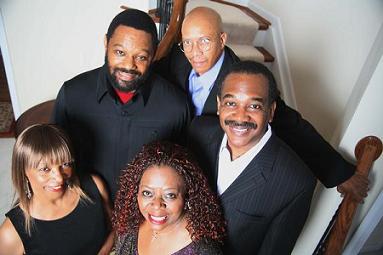
Originally from Cincinnati, RAMP consists of vocalists Sibel Thrasher and Sharon Matthews, drummer John Manuel, bassist Nate White, and guitarist Landy Shores. While performing as Saturday Night Special, the group opened for music legend Roy Ayers. Ayers soon after signed them to ABC Records where they changed their name to RAMP, an acronym for Roy Ayers Music Productions. The collaboration among Ayers, songwriter Edwin Birdsong, and RAMP resulted in the 1977 release Come Into Knowledge. Ayers’ influence was apparent in their sound, most notably in their cover of “Everybody Loves The Sunshine.” The album couldn’t have come at a worse time, though, as their label’s new president didn’t think their material was worth properly promoting or distributing. As a result, Knowledge became the band’s only recording and they wouldn’t be widely heard from again for over a decade.