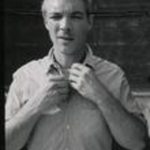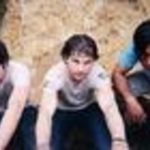
 Music can be just as good in another language — just ask, say, Skid Row fans in Moscow. The same is true for Bonde do Role‘s shows in the States. The trio from Curitiba in southern Brazil sing mostly in Portuguese, and while the meaning of the lyrics doesn’t come across, the band’s booming beats, goofy samples, and high energy stage antics (dancing, writhing, humping each other) make for a sweaty, ridiculous time.
The group, consisting of MCs Pedro D’Eyrot and Marina Ribatski, and MC/DJ Rodrigo Gorky, is probably the best known member of the baile funk or funk carioca genre, a Brazilian reimagining of hip hop. The band uses obvious clips from American songs and lyrics that Rolling Stone called “comically dirty” and The Guardian called “lascivious to the point of being foul-mouthed.” They signed with Philly/Florida DJ Diplo’s Mad Decent label, releasing their debut “With Lasers” in June, and we wrote about them when they were in town last year with Diplo and fellow Brazilians CSS.
They’re playing at the Black Cat tonight with Philly electro rappers Plastic Little and local experimental audio/visual artist Edie Sedgwick. We interviewed Marina about their hometown, Brazilian versus American crowds, and KFC.
DCist Andrew: Tell me about Curitiba? How’s the music scene? It got some press here awhile ago for its city planning, but it’s not a very well known city in the U.S.
Marina Ribatski: Well, Curitiba is a really boring city actually, culturally talking, it’s more like a business city unfortunately. The musical scene is pretty shit, the only good thing in our city is the Psychobilly scene. There are bands like Six Six Sinners and Ovos Presley that are pretty good. Still there’s this Dance music, DJ Vavva, he’s really good and we’re huge fans of him. But the scene is not really organized, so things tend to end or leave the city like us.
D: How do American audiences compare with Brazilian ones?
MR: For us the mainly difference about playing in U.S. or Brazil is language, it’s the best part of playing in Brazil or Portugal. They understand what we sing. The American crowd is really good and collaborative, like they get into the party and interact with us, which is pretty good.