 Believe it or not, it’s that time of year…. again. A time to sit back and reflect, but also to look to the future. But speaking in wine terms, it’s the time of year to pick out that bottle (or bottles) of bubbly to ring in the New Year. As much as we love our champagne, vintage champagne no less, it’s not always the practical choice. Unless you plan on not drinking what so ever before midnight, so that you can fully appreciate an expensive bottle of fizz, we suggest looking to sparkling alternatives. In this final 2007 edition of Buyin’ Oeno, we’ll look into why champagne can be so expensive, but also splash into what other more reasonable options are out there.
First, here are a few true and false questions to test your fizzy knowledge.
1. All champagne is sparkling wine, but not all sparkling wine is champagne.
2. Sparkling wine can be made from any grape, but there are only three grapes to make true champagne.
3. There are multiple methods to producing sparkling wine.
4. Most sparkling wines are non-vintage.
If you answered TRUE to one or all of these, then you are well on your way to becoming a fizz-a-holic.
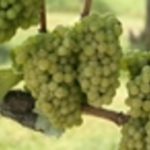
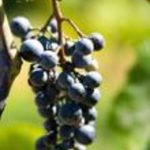
The short answer to the first question is one we’re sure you’ve heard before – champagne can only be called champagne if it comes from Champagne, France; everything else is considered sparkling wine. While this is true, there are many other factors that distinguish champagne from Sparkling wines. Wines that come from the region of Champagne are strictly regulated, from the grapes they use, to production methods, to aging. In order to be considered true champagne, they must adhere to these rules. While you can make sparkling wine from any grape, there are only three approved varietals for champagne- Pinot Noir, Pinot Meunier, and Chardonnay. Champagnes are usually a blend of all three grapes, unless denoted on the label Blancs de Blancs (meaning it was made from 100% Chardonnay, the white grape) or Blancs de Noir (meaning it was made from 100% red grapes, Pinot Noir or Pinot Meunier). By blending the three different grapes together, wine makers are able to control the style and complexity of their wines. Pinot Noir is known for giving Champagnes its body, while Pinot Meunier adds fruitiness and Chardonnay contributes finesse and lightness.
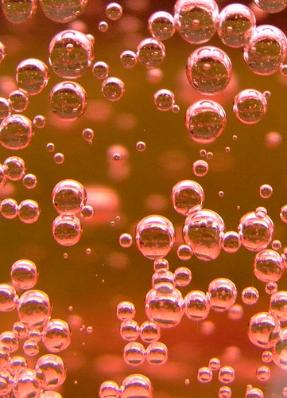
Photo by Gaetan Lee