 Sometimes the introduction to an historical event is better done with a smaller issue within the broader, chronological overview most museum exhibitions use. They help us forge a connection between our own familiar experiences and the vast unknowns of events we may not have been around to experience.
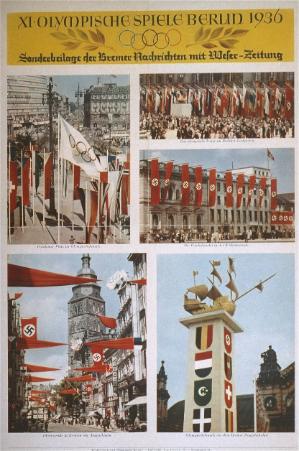
The U.S. Holocaust Memorial Museum’s newest special exhibition, The Nazi Olympics: Berlin 1936, serves as an alternative and compelling introduction into Holocaust studies. By going in-depth into just one event during Hilter’s Germany, it provides an absorbing perspective on the Third Reich and its machinations six years before initiating the “Final Solution.” And by discussing an athletic event, the exhibition revolves around a common and internationally recognizable subject, at a particularly good time.
Half of the exhibition regards the controversies and issues that surrounded the athletic world just before the Olympics, including a discussion on the Nazification of German sports and how some athletic clubs excluded non-Aryans. There is also an intriguing section about the intense debates between various organizations and demographics who advocated or argued against boycotting the games.
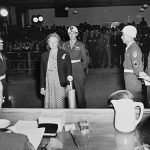
Photo courtesy of USHMM, National Archives and Records Administration, College Park, Md.