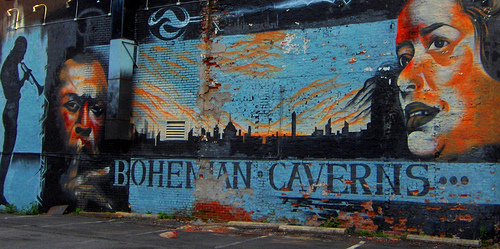
When the biggest names in jazz come to D.C., they generally play Blues Alley or the Kennedy Center, choosing the sterility of Georgetown or the concert hall setting and thereby only increasing the separation between jazz and the community from which it originated. But back in jazz’s heyday, if you wanted to hear the best jazz in the District, you had to go to U Street. Unfortunately, with the death of Dr. King and the riots that followed, U Street’s jazz scene burned along with the rest of the once vibrant community. Over the past decade, things have changed and U Street is once again abuzz with the sound of live jazz. One club above all reflects the ups and downs of U Street as a whole, and that club is Bohemian Caverns.
Founded in 1926 as Club Caverns, the historic venue was home to Duke Ellington‘s music before he made his way to New York, and was a favorite of Cab Calloway. During the ’50s, the club changed its name to Crystal Caverns before settling on the now familiar Bohemian Caverns by the end of the decade. In 1959, Tony Taylor and Angelo Alvino bought the Caverns and over the next ten years, it was the jazz room in D.C. Legends such as Miles Davis, John Coltrane, and Sonny Rollins all made regular appearances at the club, as did local legends Buck Hill and Shirley Horn.
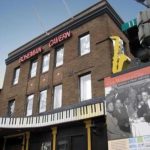
That era of Bohemian Caverns came to a close when it shut down after the ’68 riots. Like the surrounding neighborhood, the building fell into decay and became home to a series of nightclub operations, some more seedy than others. As U Street began its turnaround in the mid-to-late ’90s, the club re-opened as a jazz venue in 1998. While ownership and management has changed in the past 10 years, it has steadily regained its reputation as a great jazz room. In its current incarnation, the storied building at 11th and U houses three operations, the Bohemian Caverns jazz club in the basement, a restaurant, Mahogany, at ground level, and Līv, a dance club, located upstairs.
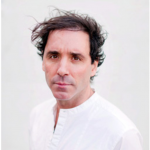
Omrao Brown is one of the current owners of Bohemian Caverns and is also responsible for booking the artists who come through the jazz club and Līv. This is the second installment in a series of interviews with those responsible for presenting D.C.’s fine jazz scene.
Photo by LaTur