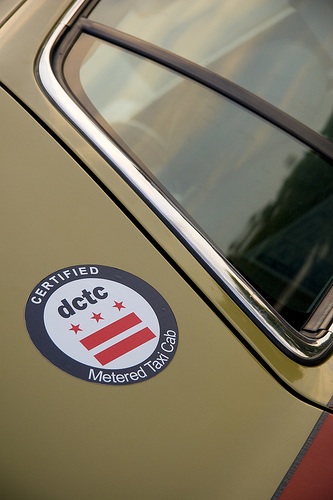
 It’s been exactly one month since the city switched all of its taxi cabs over to time and distance meters, and we’ve spent that month asking every driver and frequent taxi passenger we’ve run across what their experiences have been. The vast majority of drivers we’ve spoken to agree that within the city, fares by and large even out to be about the same — some are a little more, some are a little less, but none are so different that it might put them out of business. Compliance with installing meters ended up going fairly smoothly, amazingly enough, and overall the new system is working pretty well.
One driver we spoke to said he’s found that long trips out to Virginia now cost a lot less — a fact he was very worried about, especially for things like trips to Dulles Airport. He estimated fares to Dulles now run at least $20 less than they used to. If you’ve taken a taxi from the District to Dulles in the last month, we’d love to hear from you in comments to find out if you found this to be true.
But there is one area that drivers and passengers agree continues to be a source of confusion and mistrust similar to what things were like under the zone system: group cab rides.
In other major cities with taxis that use meters (Philadelphia, New York, etc.), if two friends share a cab headed in the same direction but request separate stops, the meter starts when they enter the cab together and continues to run on the same fare after the first person exits. The second passenger is responsible for the full fare at the end of the ride, so it’s up to them to collect money from their friend who they dropped off. This sort of system encourages people to share cabs who are heading in the same direction. But that’s not the way the new meter system works in the District of Columbia.
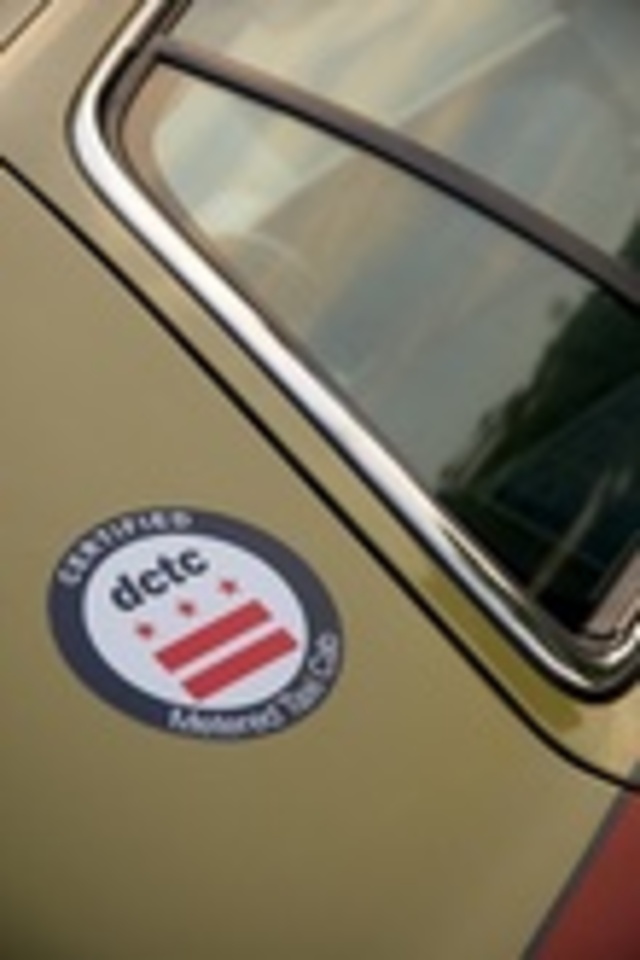
Photo by Terecico