In which DCist interviews area scientists, researchers, and academics on topics pertaining to natural and scientific interests. As Thomas Dolby would say: science!
Don Moore is the Associate Director for Animal Care at the Smithsonian National Zoological Park. As a zoo-based wildlife biologist, Moore has helped to create conservation and animal-management plans for zoos and wild animals in nature for more than 30 years. He worked for the Wildlife Conservation Society in New York as a curator and zoo director and has published more than four dozen papers on animal husbandry and behavior. Moore helped to launch the “Managing Animal Enrichment and Training Programs” course at George Mason University as well as the Animal Behavior and Conservation at Hunter College in New York. He appears as a guest scientist in Adventures of Riley: Polar Bear Puzzle by Amanda Lumry and Laura Hurwitz.
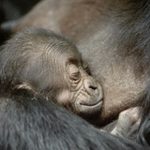
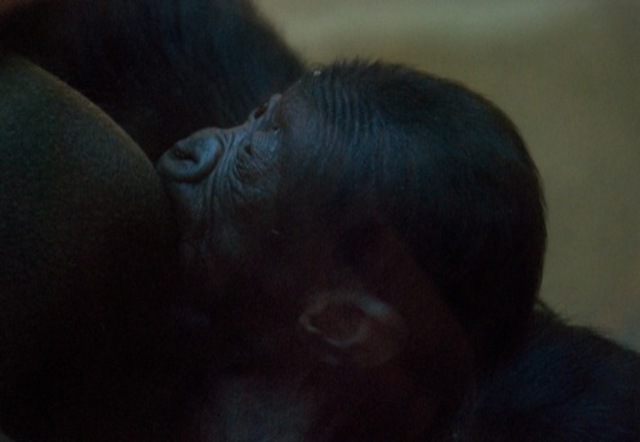
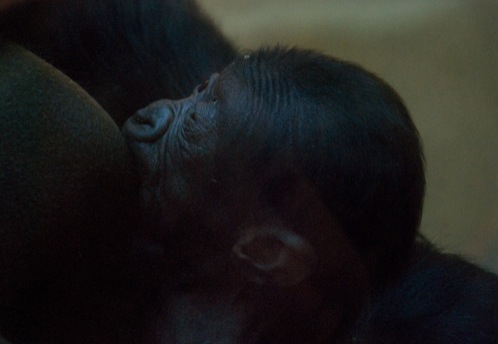 DCist: Is this the first gorilla that’s been born in the zoo?
Don Moore: No, Mandara’s had five infants before. This is her sixth.
Is this likely her last?
I don’t know. It depends on how important she is genetically, how many babies her offspring can have, what the gorilla population is doing in zoos. We’re part of the species survival plan, so it’s a group decision. That’s not a decision I can make. This one may or may not be a female. We have a 50/50 chance. Her other infants have been males. Sometimes when you have a female that animal is more important than a male. A whole bunch of different criteria will go into the decision whether to breed her.
In this case would a female be more important than a male?
I think in this case a female would be more important than a male, just because, to carry the gene line on steadily, it’s important to have a female—to carry some link traits that are linked through the female. But who knows. The geneticists will tell us that?
How does the National Zoo factor into the species survival plan?
We’re members of the Association for Zoos and Aquariums (AZA) species survival plan. All of the AZA species survival plan are a regional portion of the World Association of Zoos and Aquariums (WAZA) species survival plan. So, we’re part of that. We have a very important population here: six animals, now seven. Of 52 zoos nationwide, we have one of the better breeding groups. We have a beautiful silverback male—
Baraka, who was raised here.
That’s correct. He left and came back. He’s a very cool male. He was born here in 1992. He left to become a mature male and came back as a silverback.
Came back a man.
That’s right. Now, the Swahili word baraka can mean blessing, as we’ve all heard these days. Or it can mean white. So the blessing to have a silverback, a white-backed male, is a pretty big thing. He’s a cool guy. He’s 10 years younger than the female. Maybe women out there would be interested in that.
This hookup was scandalous. Mandara helped to rear him, and then he came back—
She’s not his mom. His mom was Haloko. Yeah, [Mandara] was kind of his nurse, and now she’s the mom of his baby.
Photo by DCist photograph Meaghan Gay