Martin Austermuhle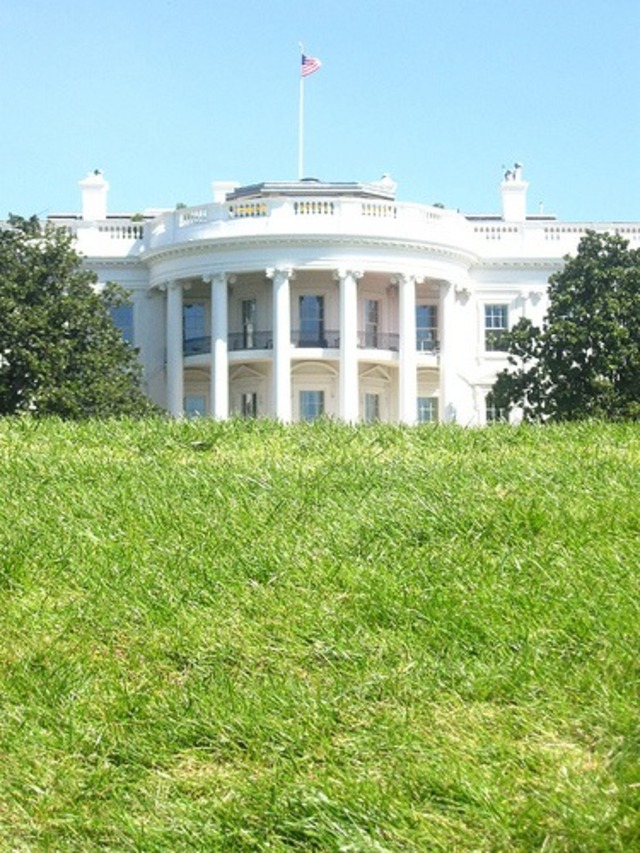
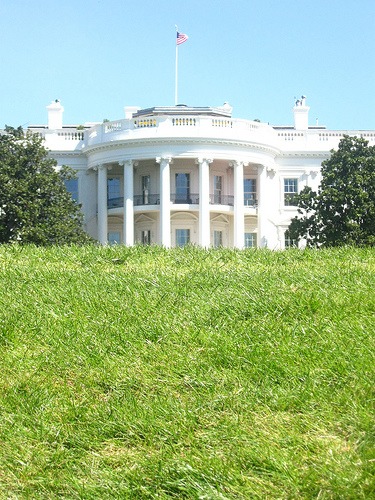 Photo by klea scharberg
President Obama has a way with words. Unlike the somewhat elementary formulations of his predecessor, Obama has tackled a number of complex issues — torture and Guantanamo Bay, relations with the Muslim world — in recent speeches. He is keenly aware of the power his words hold, and he doesn’t act like the American people are children lacking the capacity to understand and digest tough issues. It’s time he stepped up and used his oratory for the sake of District voting rights.
We were encouraged when Obama, a friend of Mayor Adrian Fenty and a supporter of D.C. voting rights, was elected alongside a Democratic majority in Congress. D.C. Del. Eleanor Holmes Norton — long the leader of the struggle for voting rights on the Hill — was so confident of the capital’s new political alignment that she predicted that a voting rights bill would clear Congress by February. Come June and we are where we’ve been many times before — facing another apparent legislative defeat.
We could huddle up and try again, but there’s little to reassure us that Republican senators and their NRA-fearing Democratic colleagues won’t again try to attach another gun law-gutting amendment. We could have another march, we could send more residents to lobby members of Congress, we could buy more ads and complain a whole lot more. But when it’s all said and done there’s little to reassure us that any of what we’ve done in the past will suddenly work now. If a Democratic House shrugged their shoulders and handed us a draw only six months into its existence, why should we think they won’t do the same in another six?
This is where Obama comes in. This may seem like a provincial issue that shouldn’t occupy the time of the nation’s elected leader, but the longstanding and systematic disenfranchisement of 600,000 U.S. residents — not to mention the impact it has on the country’s moral standing — demands presidential intervention.
The District’s lack of voting rights and the apparent inability by Congress to correct it has continued for this long because this hasn’t yet been made into a national issue. Members of Congress can vote against D.C. voting rights because they know that their constituents likely don’t know about the issue, or just don’t care. And the real constituents that do care — that would be us — have no real leverage over those members and their votes. Activists have admirably traveled the country to spread the word and try and build grassroots support for D.C. voting rights. But when it’s all said and done, there’s simply not enough of us and not nearly enough money to make this as national an issue as Obama could in one speech.