 Photo by philliefan99
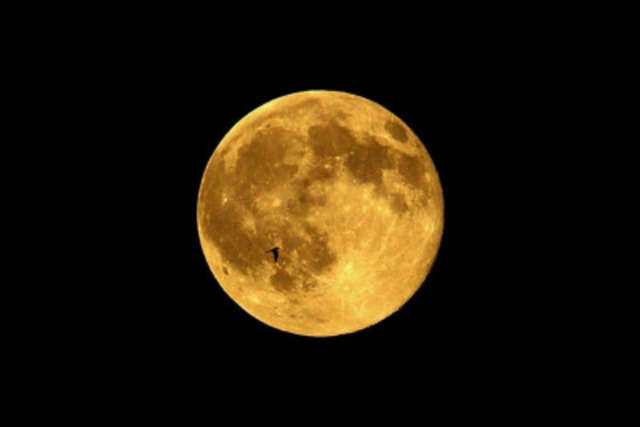
We’ve mentioned the International Year of Astronomy in passing, but not in great detail because Washington, D.C., disappointingly, doesn’t seem to be hosting too many events. The IYA is a celebration of the 400th anniversary of the year Galileo Galilei first gazed through a telescope to look at the universe. Organized by the International Astronomical Union, IYA events have been planned all over the world all year, including tonight, the last night of Galilean Nights: three evenings encouraging the public to look up and get a closer look at our Moon and Jupiter and its moons (all of which will be close together in the sky this week) — the objects Galileo first studied. If you’re outside of D.C., see if there’s a Galilean Night event near you, or follow other people’s observations online through various webcasts and Twitter feeds (many with photos), or just head outside tonight and wait for a break in the clouds. You might consider buying a Galileoscope for just twenty bucks, which should give you a nice view of the Moon’s craters, or participate in the last night of the Great World Wide Star Count.
Tuesday is a big day for space program enthusiasts. At 8 a.m. EST, the Ares I-X test rocket is slated to launch from the Kennedy Space Center. At 327 feet, the five-stage Ares I-X is the tallest rocket in the world, though still shorter than the massive, retired Saturn V rocket that sent the Apollo missions to the Moon. The four mile rollout to Launchpad 38B began last Tuesday, and its arrival marked the first time a non-Shuttle vehicle has sat on 38B since Apollo 10 launched in 1969. Ares I-X is the test model for the eventual Ares I, which is proposed to send humans back into space after the Space Shuttle is retired, followed by the Ares V, the unmanned heavy-lift vehicle that will carry the lunar rovers and other equipment, as part of the Constellation Program. Of course, the test launch is unmanned while engineers look for any issues in the Ares design, including a worrisome oscillation issue in the first stage that delayed the original launch date of August 30. Catch it on all the usual spots, NASA TV, Spaceflightnow.com, or SpaceVidCast. (The rescheduling of the Ares I-X launch has bumped back the Atlantis STS-129 launch, which has already been rolled out to Launchpad 39A, to November 16.)