 Clint Eastwood grows more and more prolific as he gets older. Now a sprightly 80 years old, he’s setting a pace that puts even the reliable one-film-per-year Woody Allen to shame, having directed seven features in the last five years. It seems appropriate, then, that his latest, Hereafter, is actually three movies in one. That’s a lot to tackle right there, but it also contains some of the most ambitious thematic material the director has yet tackled: namely, what happens to us when we die?
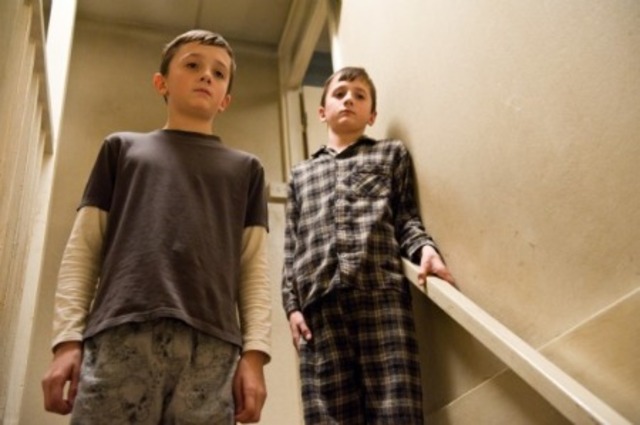
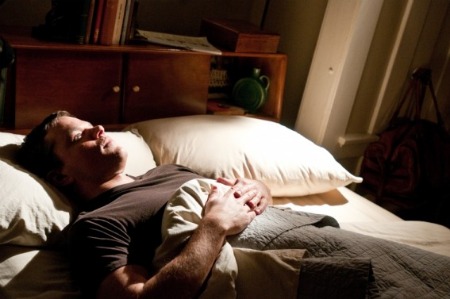
Eastwood seeks answers via a three-pronged narrative written by British screenwriter Peter Morgan (The Queen, Frost/Nixon) which follows a series of seemingly unrelated stories in three different countries until each thread’s inevitable entanglement. In France, Marie Lelay (Cécile de France) is a television journalist who narrowly survived death when a tsunami hit the resort where she and her boyfriend (and producer) were staying; the experience has left her distracted and confused. In Britain, a pair of identical twin boys are growing up with a junkie mom when a sudden, shocking tragedy occurs that brings the family face-to-face with death. And in San Francisco, there’s George (Matt Damon), a psychic who can communicate with the dead, but who has renounced his gift and gone to work in a factory to avoid the endless string of the bereaved asking him to give them one last conversation with their lost loved ones.
In form, the film is a direct descendant of the “Death Trilogy” of director Alejandro González Iñárritu and writer Guillermo Arriaga (Amores Perros, 21 Grams and Babel), films that similarly dealt with mortality and tragedy via sprawling, interconnected stories. In execution, however, it’s a faint, dull reflection. Emphasis on “dull”.