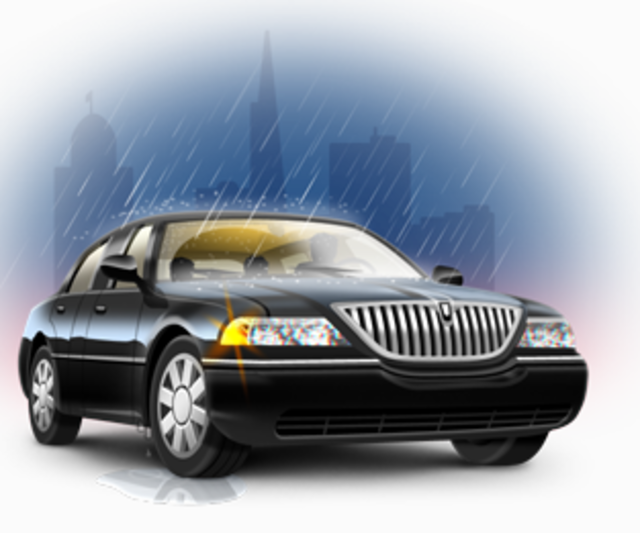
 Courtesy of Uber.
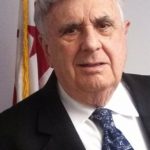
At a hearing this morning on proposed taxicab rate increases, D.C. Taxicab Commission Chairman Ron Linton laid into Uber, the company whose smartphone app allows users to hail rides from off-duty luxury livery sedans, saying it was operating illegally.
“They’re operating illegally, and we plan to take steps against them,” said Linton during the hearing.
Afterward, he clarified his comments to us, stressing that Uber’s cars operate neither as taxicabs nor limos.
“We license public vehicles for hire under two arrangements,” Linton told DCist after the hearing ended. “One is a time and metered distance, that’s a taxicab. The other is a fixed rate by appointment, and that’s a limo. They don’t qualify under either circumstance.”
In Washington, Uber charges a base rate of $7, then adds $3.25 for each mile traveled plus 75 cents for each minute a car is hired. Essentially, it seems like Linton is accusing the upmarket livery service of operating as a hack cab.
 Ron Linton
D.C. regulations on limousines (posted below) do allow sedans like those in Uber’s network of Lincoln Towncars and other high-end vehicles to charge for service based on time and mileage, though those fare schedules also need to be registered with the commission by the individual livery companies. Uber does not own any cars itself.
But the company says it’s operating on the up-and-up.
“We launched in Washington confident that we are compliant with the rules and regulations with the District,” Rachel Holt, Uber’s general manager in D.C., writes in an email to DCist. “Prior to launching we had conversations with representatives of the [Taxicab] Commission that helped us understand the regulatory landscape and convinced us that the Uber transportation alternative was legal.”
Holt adds that Uber is trying to contact Linton about his charges against the company.
Uber, despite a social-media-savvy rollout in D.C. last year, has also come under fire recently from its own customers for the “surge pricing” it instituted on New Year’s, when the company accommodated a spike in demand by multiplying its fares by factors of up to 6.5 times the normal rate.