Martin Austermuhle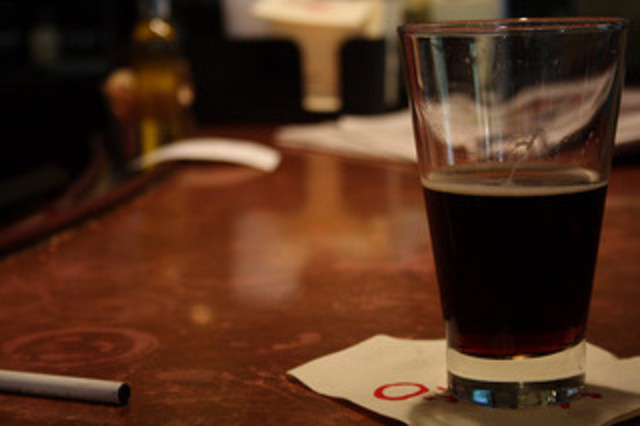
 Photo by Knavemalkin
It’s both understandable and odd to see the member of the D.C. Council that represents the ward with most bars and restaurants arguing against them remaining open for an extra hour. It’s additional revenue for his businessmen, for one, while yet another headache for some of his residents.
At a D.C. Council hearing this morning, Councilmember Jim Graham (D-Ward 1) further laid out his opposition to a proposal in Mayor Vince Gray’s budget that would allow bars to stay open for an extra hour on weekdays and weekends, saying the extra drinking would cause issues with noise, crime and traffic.
“This is an urban environment, but I think it’s reasonable for people to expect that it’s quiet —or as quiet as possible,” he said, complaining that bar-goers would get more drunk and cause more trouble.
Graham also worried that the proposal, which would also allow supermarkets and liquor stores to start selling two hours earlier and is expected to bring in an additional $5 million a year, would have unintended costs, such as a need for increased police presence and traffic. “I can guarantee that there will be no appetite whatsoever for a further extension of Metro hours,” he added, noting that Metro would close an hour after bars let out on weekends.
The owner of K Street’s Shadowroom and 14th Street’s Policy testified on behalf of Grays’ proposal, arguing that if they could remain open until 4 a.m., it would actually space out the time that people leave, preventing fights that could occur if everyone is ushered out of a bar or club at one time. They noted that on days they’ve been allowed to stay open for extended hours—including the 2009 presidential inauguration and other holidays—they saw no increase in problems associated with violence or noise.
At the hearing, the Alcoholic Beverage Control Advisory Board said it had split 9-9 on whether to endorse Gray’s plan. Fred Moosally, director of the Alcoholic Beverage Regulation Administration, said that he had not yet taken a position on the extended hours, but hesitated when asked whether he had been consulted on the proposal. (He eventually admitted that he had.) Moosally noted that bars can already stay open for an extra hour on weekdays 11 times a year, and that he hadn’t seen any significant problems arise on those days. “It really hasn’t been an issue,” he said.
Councilmember Marion Barry (D-Ward 8) played the libertarian foil to Graham’s apparent hesitation, arguing that if people want to drink, they’ll drink. “I am for this bill, 100 percent,” he said, advocating for better training for bartenders so they could more easily identify people that shouldn’t drink anymore.
Graham said he was looking to call a stand-alone hearing on the issue, and asked Moosally to research the various ways that the extended hours could affect the city, including how bars with voluntary agreements would navigate any new hours. He also said he wanted to hear from civic organizations, neighborhood groups and residents.
If the measure passes the council, it will take effect in October. If Graham scraps it, he’ll have to find other ways to make up for the $5 million in annual revenue the extended hours are expected to bring in.