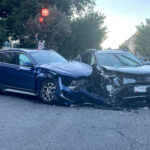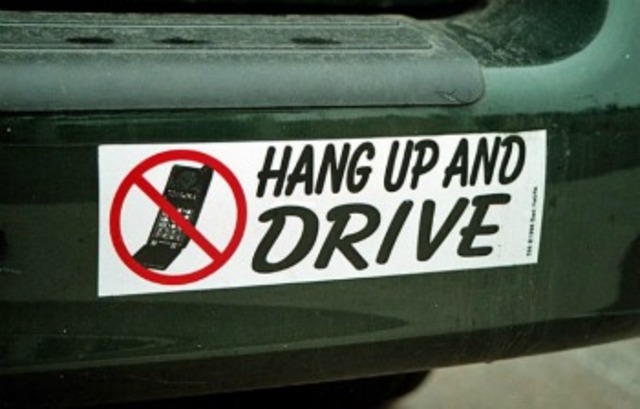
 Even though they know better, as many as 43 percent of teen drivers surveyed admit they send and read text messages while operating their vehicles, according to a new report commissioned by AT&T.
Using one’s mobile phone while driving is generally considered a quick path to a horrible car crash, but that isn’t stopping young drivers from tapping away at their iPhones and Androids at the same time they try to maneuver a roadway in 3,000-pound death traps. With text-messaging as young people’s favorite mode of communication and the practice making car crashes 23 times more likely, AT&T is calling the upcoming summer vacation the “100 deadliest days” of the year.
But, like all good teenagers are wont to do, the kids questioned in the AT&T survey are blaming adults for their dangerous habits. Seventy-seven percent of the 1,300 young, smartphone-wielding drivers questioned said that even though grown-ups are constantly yammering at them to stop texting while driving, adults do it “all the time,” with 41 percent of teens reporting seeing their parents send a text message or email from behind the wheel.
Authorities have for a while now been warning against the dangers of distracted driving. The National Transportation Safety Board last December floated a nationwide ban on all cell phone use by drivers. More recently, D.C. police have stepped up their enforcement of anti-cell phone regulations, and Virginia marked April as Distracted Driving Month (to little avail).
But the results of AT&T’s survey hardly suggest that teens’ passion for texting is going to decline any time soon. Not only is it their most popular means of conversation, teenagers are incredibly demanding in expecting replies. The study found that 89 percent of kids expect their texts and emails be answered within five minutes.
Still, some parents admit that it probably is their fault that their kids can’t separate themselves from their phones even while driving. The Washington Post heard from one Arlington mother who copped to as much: “In all honesty, I’ve probably modeled bad behavior,” said Maureen Friar, whose 20-year-old son often tries to keep one hand on the wheel and the other on his smartphone.
And if AT&T’s survey isn’t jarring enough, the company is also going on tour this summer with a simulator that will show drivers what happens when you text and drive—THAT YOU WILL CRASH AND DIE!
Texting and driving is a dangerous cocktail, to be sure. I was even cited for it by Maryland State Police when I was issued a speeding ticket in December 2010. But relative to other parts of the world, U.S. warnings about texting and driving are pretty sedate. Just check out this 2009 video produced as a dire warning to young drivers in Wales. It’s got all the subtlety of Quentin Tarantino’s Death Proof: