Martin Austermuhle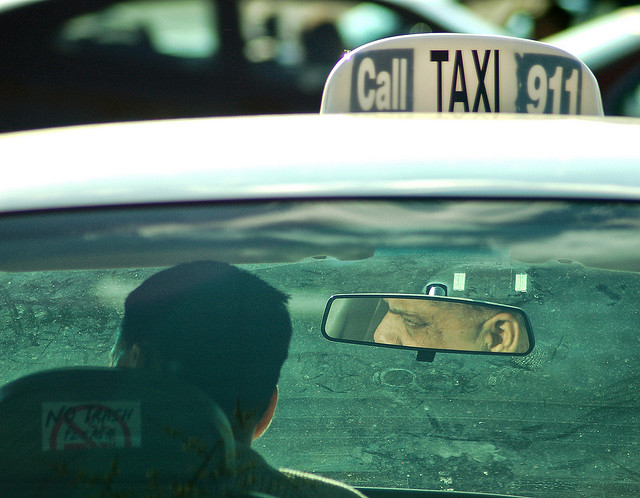
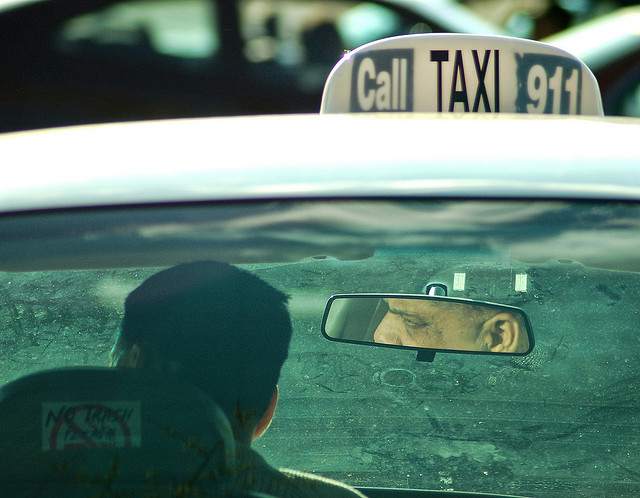 Photo by andertho
With a final vote approaching for a bill that would mandate a broad modernization of D.C.’s large taxicab fleet, cab drivers rallied outside the Wilson Building yesterday and threatened to strike if the measure passed.
A coalition of small- and medium-sized cab companies have come out against the legislation—which would mandate everything from credit card payment options and GPS to a uniform color scheme and more handicapped-accessible cabs—saying it would be financially devastating.
Despite a 50-cent surcharge that would be added to every fare in order to help pay for the modernization, the coalition claims that all the improvements would cost $4,100 per cab—or roughly $27 million for the estimated 6,500 legal cabs in circulation. When added to new rules that require cabs over five-years-old to be taken off the road, they say, the bill would drive many small and independent cab drivers out of business.
Councilmember Mary Cheh (D-Ward 3), the bill’s sponsor, has defended the proposal, saying that D.C. lags behind other cities when it comes to modern amenities in taxicabs. Additionally, she cites an informal survey she conducted in which 94 percent of respondents argued that the city’s cabs need to be improved.
If cab drivers did strike, as the Examiner reported that they threatened to do, it wouldn’t be the first time they used such a tactic to flex their political muscle. Back in 2008, they participated in a series of strikes to protest the transition from the zone system to meters. In 2009, they went on strike over a bill that would have created a medallion system in D.C. (Interestingly, some of the main points against Cheh’s bill have been articulated by John Ray, the D.C. lobbyist most closely associated with a failed medallion proposal that many cabbies objected to.)
The bill could come up for a second and final vote next Tuesday.
UPDATE, 2:50 p.m.: Mayor Vince Gray’s administration will announce on Thursday the vendor D.C. has chosen for smart meters, the new meters that will accept credit cards and include GPS tracking.