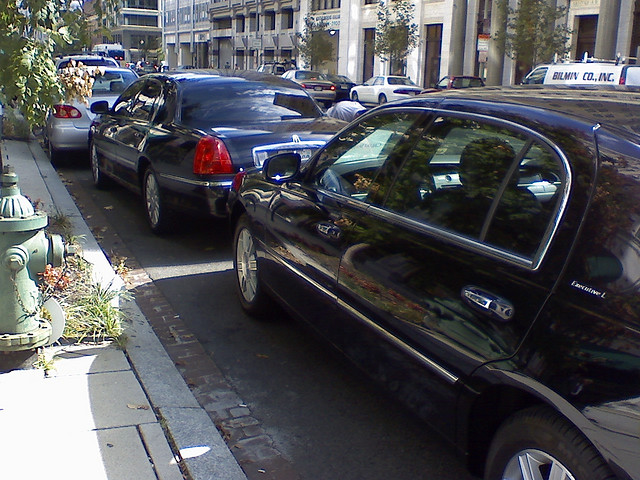
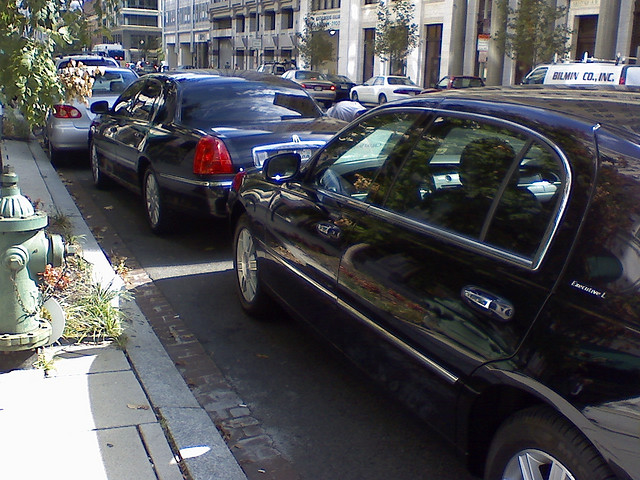
 Photo by Dan Macy
Even though Ron Linton, the chairman of the D.C. Taxicab Commission, has said that he has heard complaints from Uber customers, his agency’s records show otherwise, according to a Freedom of Information Act request filed by a fan of the on-demand livery sedan service.
Last month, Nathaniel Heller, the executive director of the nonprofit group Center for Global Integrity, asked the commission for a detailed listing of all public complaints against Uber filed between January 1 and July 31 of this year. The letter he received in return read that in that timeframe, the DCTC did not receive any such notices about the popular but contentious company.
Heller, who shared the letter on his blog, filed the records request because, he writes, he was skeptical of claims that Uber’s customers were so aggrieved.
“Just as a consumer of both Uber and taxis it has struck me that the allegations of poor service have been specious,” Heller said in an interview.
Uber has faced backlash from its customers in the past, notably after New Year’s, when some riders were agog by their fares affected by the company’s practice of multiplying its prices during periods of particularly high demand.
But on the official records kept by the taxi commission, which is currently proposing a series of new regulations that would govern sedan service, Uber has a clean customer-service record.
“I think the interesting thing is that for months Linton has been saying people have been complaining,” Rachel Holt, the general manager of Uber’s Washington office, said in an interview. “If there are no complaints about Uber, there are no complaints.”
That statement might have an asterisk, though. In July, Linton told WAMU he was unable to pursue complaints against an unregulated company like Uber.
But Holt doesn’t buy it, and says that while Uber doesn’t always get positive customer feedback, it tries to resolve its complaints internally.
“The point is we resolve that, that’s why we keep customers,” she said. “The broader issue is that we have a regulatory body that has consistently made things up.”
And though Uber’s legal exemption from DCTC oversight might include a free pass on official complaints, Heller said that with all the mishegas that surrounds the sedan service, he thought there might at least be an informal notepad with any negative calls the commission receives about Uber.
“It would help the commission’s argument if there were a rolling list, whether it’s official or not,” he said.
In his FOIA request, Heller also asked for a simple count of all complaints against other taxi or sedan services, but the commission also returned no results. The letter from Inspector General Edward Rich did, however, not that most public complaints are filed against individual drivers, not companies. According to an unrelated records request filed by a D.C. lawyer earlier this year and provided to DCist, there were 96 formal complaints lodged against cabbies who refused to pick up customers hailing for a ride.