Martin Austermuhle
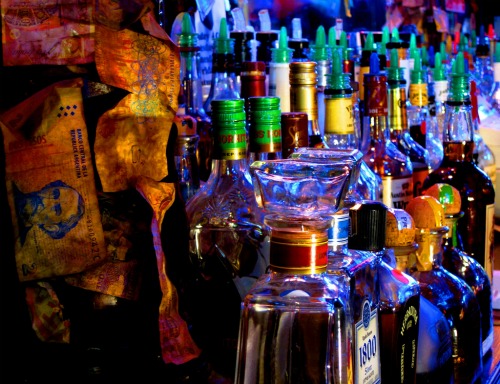 Photo by LaTur
At some point next year, you’ll finally able to buy liquor on Sundays.
Yesterday the D.C. Council gave initial approval to a massive rewrite of the city’s liquor laws, including a provision that would finally do away with the city’s Blue Laws by allowing Class A retailers—your local beer, wine and spirits emporium—to open their doors on Sundays.
D.C. is among the last of the local jurisdictions to allow Sunday sales: Montgomery County legalized the practice in late 2010, while Virginia moved to allow the sales this summer. City officials expect Sunday sales to bring in just over $700,000 in revenue per year.
The idea was proposed by a task force created by Councilmember Jim Graham (D-Ward 1) to study reforming the city’s antiquated liquor laws. During debates over the omnibus reform bill, opposition to the idea emerged from an interesting quarter: the liquor store owners themselves. During a hearing, a number of retailers said that they enjoyed their government-mandated day off, and worried that if they were allowed to open on Sundays they would have to in order to stay competitive. (Stores can opt not to open, and they will still be subject to voluntary agreements.)
The reform bill also allows for the creation of a license for wine pubs, permits the sale of 64-ounce growlers of beer at grocery stores and brew pubs, and imposes stronger penalties for license violations. One of its most controversial provisions, though, was amended out yesterday after complaints from civic associations and neighborhoods groups.
The original bill would have limited protests to liquor licenses to adjacent property owners, Advisory Neighborhood Commissions, civic associations, the police chief, and groups of five residents living within a 400-foot radius. Currently, any group of five residents can lodge a protest, no matter where they live. Bars and restaurants demanded a change, saying that residents not impacted by the businesses were filing needless and costly protests. (See Oyster Bar, Hank’s.)
Under pressure from certain groups—including the “Alcohol Sanity Coalition D.C.”—Graham decided to scrap the 400-foot radius altogether. He did maintain a provision giving an ANC first standing if a voluntary agreement was to be drafted with a bar, restaurant or retailer, though. (Ward 3 Councilmember Mary Cheh said that she was ready to settle for an 1800-foot radius, though she opted not to introduce the amendment.) He also tightened up the time limits for the filing and consideration of protests, thus speeding them along.
In other amendments, Councilmember Kenyan McDuffie (D-Ward 5) inserted a provision that would permanently extend the moratorium on strip clubs in Ward 5. An existing moratorium was set to expire next January. Additionally, Cheh tried to add a provision that would limit the ability of retailers like CVS and Walgreens from selling beer and wine, though she agreed to withdraw it pending more discussion before second vote on December 18.