Martin Austermuhle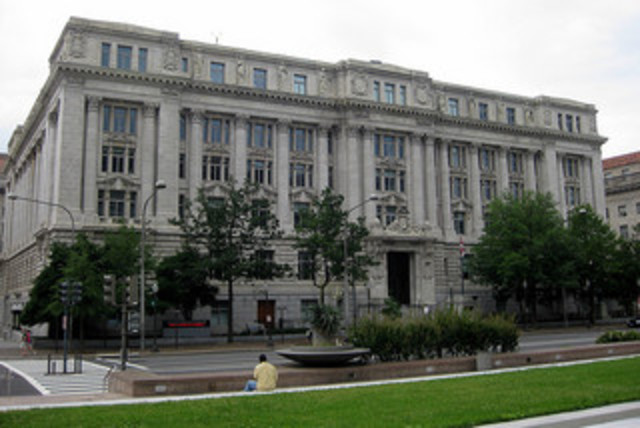
 Photo by wallyg
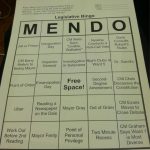
Yesterday was the D.C. Council’s last legislative meeting of the session, and legislators certainly made the best of it: they debated and voted on some 120 bills in a meeting that lasted close to 12 hours. What did you miss in the legislative-gasm? Below are some highlights.
>> D.C. is soon to be a little less blue. No, we’re not becoming a Republican town, but the council gave final approval to a massive rewrite of the city’s liquor laws that includes a provision allowing Sunday sales of spirits. The law also allow retailers and brewpubs to sell 64-ounce growlers of beer, creates a new license for wine pubs, and more. The bill was amended, though, and orders the Alcoholic Beverage Control Board to fully define what is and is not a “full-service grocery store.” Why does it matter? Because more and more pharmacies and convenience stores are trying to pass themselves off as grocery stores in order to get around a moratorium on liquor licenses. Oh, and a stylistic change for you civic activists: it’s no longer a “voluntary agreement,” but rather a “settlement agreement.”
>> Want to keep bees in D.C.? It’s now a little bit easier.
>> Love thy neighbor, and help pay for their flood damage. The council approved a bill that will add 30 cents a month to residential water bills so as to create a $1 million fund to pay for damages caused by sewage backups during floods in neighborhoods like Bloomingdale and Ledroit Park. Legislators rejected amendments that would limit individual claims to $2,500, but added a provision verifying that the fund was not an entitlement for residents.
>> The budget autonomy referendum is official! Expect to vote on April 23 on whether D.C. should be able to control more of its own money. (Legal wrangling could get in the way of the vote, though.)
>> Cyclists that are hit by cars now have an additional civil remedy they can call upon. After more than a year of debate, the council passed a bill that allows cyclists hit by cars to be able to sue for either $1,000 or damages, whichever is greater, along with reasonable attorney’s fees and costs if the total amount of damages stemming from the incident is less than $10,000.
>> With all the campaign-related irregularities over the last few years, you’d think that the council would want to move on campaign finance reform, right? Wrong. An emergency bill proposed by Councilmember Mary Cheh (D-Ward 3) to limit money order contributions to campaigns to $25 was pulled at the last minute. The reason? Councilmember Tommy Wells (D-Ward 6) said he planned on introducing a number of additional campaign finance changes as amendments, which some of his colleagues objected to.
>> Do you own a scooter? Or is that a moped? Maybe a motorized bicycle? After years of complaints that existing law isn’t clear on when a moped becomes a scooter and when a scooter becomes a motorcycle (and all the legal responsibilities involved with each), the council gave the green light to legislation that more carefully defines the two-wheeled vehicles and what users need to do to use them legally. What do you need to know? If your motorcycle has pedals and doesn’t go over 20 miles an hour, you soon won’t need to have it registered or buy insurance for it.
>> There were again fireworks over competing bills dealing with protections for ex-offenders when they search for housing and employment. While a bill proposed by Council Chair Phil Mendelson received the support of the majority of his colleagues, Councilmember Marion Barry (D-Ward 8) defended a stronger—and more controversial—alternative he’d been pushing. In so doing, Barry accused his white colleagues of being racists, an accusation that prompted Councilmember David Catania (I-At Large) to fire back, calling Barry a “long bankrupt public servant who has long failed to offer constructive solutions for the problems that afflict this city.”
>> Despite misgivings by the D.C. CFO and Mayor Vince Gray, the majority of the council voted to give the Howard Town Center development an $11 million tax abatement. Catania tried to amend the bill to ensure that any low-income housing tax credits would count against the value of the abatement, but that was voted down.