 Rachel Sadon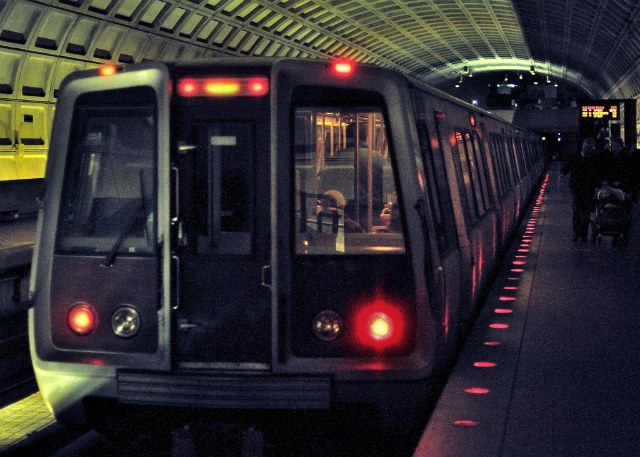
 Photo by Rolenz.
Metro, which is already struggling with a decline in ridership, may soon be losing an important chunk of funding.
An appropriations bill released Tuesday by a House committee would cut an annual federal contribution in half—from $150 million to $75 million. That money goes toward capital improvements, including the purchase of new Metro cars.
Members of the area’s Congressional delegation slammed the plan. “Providing anything less than the federal commitment of $150 million would jeopardize rider safety and the successful partnership with Virginia, Maryland, and the District of Columbia to fund the purchase of new rail cars and vital safety improvements throughout the system,” the representatives wrote. “The proposed reduction would only exacerbate the operations and safety issues that our delegation has been working with Metro to resolve.”
The funds are allocated under a Congressional agreement to provide WMATA with $1.5 billion over 10 years. If the plan goes through as proposed, it would be the first time in seven years that the government contributed less than $150 million.
The bill also would require Metro prove that it is making safety improvements to receive the money. From the Post:
Citing a federal audit last year that revealed financial-management problems in the transit agency, the appropriations bill would require the Department of Transportation to withhold PRIIA funds from Metro unless the agency shows it “is making significant progress in eliminating material weaknesses, significant deficiencies, and minor control deficiencies identified” by the audit.
To receive PRIIA money, Metro also would have to show that it “has placed the highest priority on those investments that will improve the safety of the system,” the spending plan says.
“I am appalled that the House appropriators have added language emphasizing safety to their bill, while dealing a massive cut to WMATA’s major safety initiatives, including implementing the new 7000-series cars, which have drastically improved crashworthiness,” said Del. Eleanor Holmes Norton.