 Photo via Flickr.
The “bad ‘ole days” of drug culture, as Mayor Muriel Bowser put it, are well behind us. But that doesn’t mean there isn’t still a drug problem in D.C. Most recently, the District has seen an uptick in petty violent drug-related crime as well as the dangerous proliferation of synthetic drugs. That’s why Mayor Bowser, along with Metropolitan Police Chief Cathy Lanier, announced today a comprehensive strategy to combat the District’s recent drug problems. A strategy that officials say will target drug suppliers rather than low-level users.
Effective today, MPD launched two new units—the MPD Narcotics and Special Investigations Division and the Criminal Interdiction Unit—that will “be at the forefront on how law enforcement identifies and abates crime patterns, removes dangerous offenders, drugs, and illegal weapons from our neighborhoods, and drives down crime in our city,” a release states.
“We believe these significant strategic changes will be of great help for our police department, both in terms of combating the new environment of illegal drug manufacturing and sales as well as increasing their visible presence in our communities and interacting with our residents,” Bowser said.
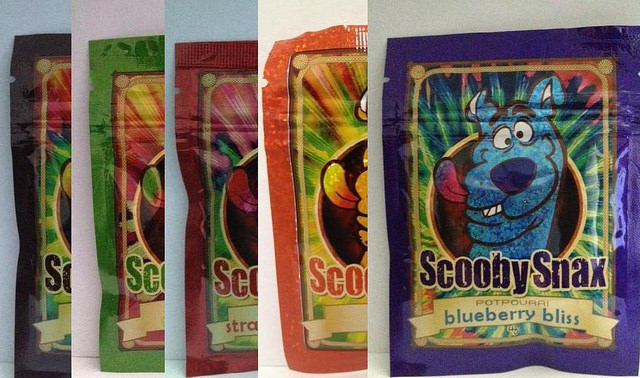
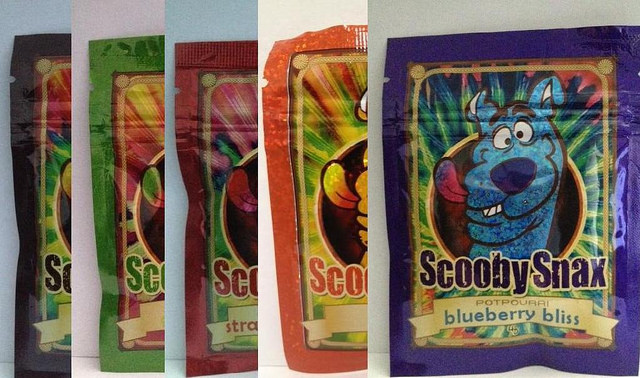
In addition to the two new police units, Bowser announced her plans to submit emergency legislation to the D.C. Council this week that would make the penalties even harsher for local businesses caught selling synthetic marijuana—often know and sold as K2, Scooby Snax, Spice, and Bizarro.
On June 5th, nearly a dozen people near the CCNV homeless shelter overdosed on a form of synthetic pot known as “Bizarro” and were transported to area hospitals. It’s just one incident in a troubling trend of synthetic marijuana overdoses that District officials say needs to be addressed immediately and aggressively.
“I’m giving fair warning…I’m coming after you,” Ward 7 Councilmember Yvette Alexander warned to retailers illegally selling synthetic marijuana. Under the new emergency legislation Bowser is submitting this week, MPD Chief Lanier would have the authority to close down any business caught selling synthetic drugs for up to 96 hours.
Additionally, the bill would also fine that business $10,000 for the first violation of selling synthetic drugs, and a fine of $20,000 for a second violation, as well as the risk of being shut down for up to 30 days, with the DCRA poised to permanently revoke its business license.
Though the Department of Health has been focusing on spreading awareness of the dangers of synthetic drugs to District youth, Bowser said that her administration and the DOH will work with several agencies to address the problem among D.C.’s homeless residents, where the problem is prevalent.
The DOH will implement a “syndromic surveillance system” that allows area hospitals to report when a patient arrives with symptoms concurrent with synthetic drug use to the MPD, DCRA, and the Office of the Chief Medical Examiner. That way, Bowser said, they can track where and when synthetic drug use is happening most frequently and what kind of stuff is going around.
“What we’re announcing today will give us a heads up,” Bowser said. “We were kind of reacting in the last several weeks when people were showing up in the emergency room. I think that the surveillance measures … will let us get to people who need help and identify the trends sooner.”