 Rachel Sadon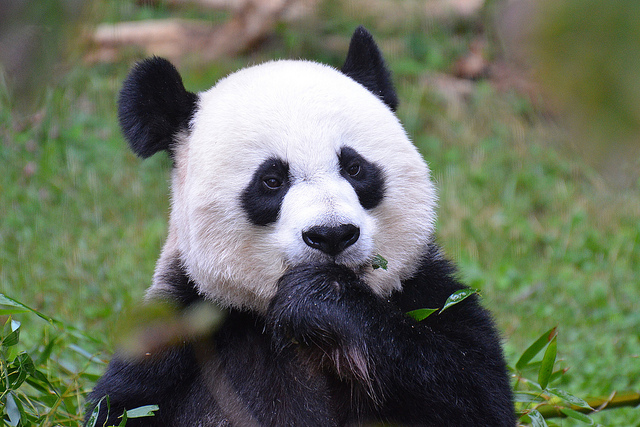
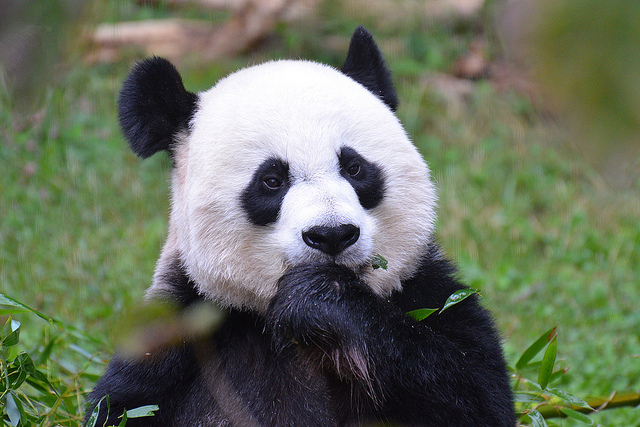 Photo by Dan Dan The Binary Man.
Obligatory panda pregnancy update: We’re getting closer but, uh, still don’t know.
The Smithsonian Conservation Biology Institute announced today that giant panda Mei Xiang’s hormones have definitely been rising the past few weeks. That either means that she’s going to give D.C. another baby panda craze or is in the midst of a pseudopregnancy that will end within 30 to 50 days.
Just about every step of this panda pregnancy/pseudopregnancy has been shared online, beginning with a well-documented trip to a Chinese cryopreservation bank in April. A few days after that, Mei Xiang was artificially inseminated with sperm from a panda living in China as well as the National Zoo’s Tian Tian.
Since then, zookeepers have been keeping a close watch on her, but pandas experience the same changes in hormones and behavior during a pseudopregnancy as a real one. Mei Xiang has begun nest building, choosing to spend more time in her den, sleeping more and eating less, for example. The only way to tell if she is actually pregnant is to detect a fetus on an ultrasound, and they don’t start developing until the last few weeks of gestation.
The zoo explains:
The changes in Mei Xiang’s progesterone levels follow a fairly predictable pattern as she progresses through a pregnancy, either true or false. This allows the Zoo to roughly estimate when Mei Xiang will give birth if she is actually pregnant. This obligatory pregnancy or pseudopregnancy happens after every annual ovulation.
That Mei Xiang’s hormones aren’t noticeably different between regular and pseudopregnancies presents the Zoo’s biologists with a significant challenge. If they can’t use hormones to determine if she’s pregnant, then they must find an alternative way to run a pregnancy test. Unfortunately there aren’t many options. That raises the question of ultrasound.
Unlike cheetahs and many other animals at the Zoo, Mei Xiang will usually participate in ultrasounds. Yet they haven’t proven especially helpful. Even in 2005, when she gave birth to Tai Shan, Mei Xiang’s ultrasounds never revealed any hint of a cub.
There could be many explanations for this. Panda cubs, at birth, are very small—about the size of a stick of butter. Spotting something that size on an ultrasound would be a challenge to begin with, but doing so in a giant panda is nearly impossible. So while it’s worth conducting the ultrasounds for the off chance of seeing something, they’re hardly the final word. Unfortunately, the only sure pregnancy test for a panda is to wait and see if she gives birth.
So content yourself with this video of Mei Xiang playing with ultrasound jelly?